

Compare models

Galaxy S26 Ultra Vs iPhone 17

  • 1-year minimum warranty
  • Free delivery on all orders
  • Free 30-day returns
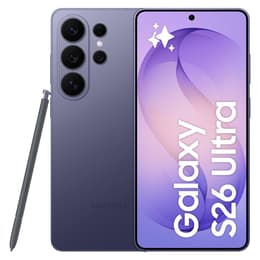
Galaxy S26 Ultra
Starting at

Refurbished price:919.00

Versus €1,449.00 new

See options
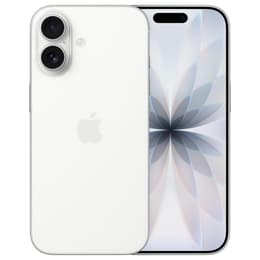
iPhone 17
Starting at

Refurbished price:751.00

Versus €1,129.00 new

See options

Differences at a glance

The Samsung Galaxy S26 Ultra (2026) and the Apple iPhone 17 (2025) represent two distinct approaches to high-end mobile technology, catering to different operating system preferences and user needs. While the Samsung device runs on Android with customized productivity tools, the iPhone operates within Apple's integrated ecosystem. Both smartphones deliver powerful performance and advanced capabilities, but they differ significantly in their physical form factor, display dimensions, and daily user experience.

Available Models

Colour

Storage (GB)

Scores

Durability

When evaluating the long-term viability of these devices, both manufacturers provide robust hardware and extended software support timelines suitable for multi-year usage. However, differences in update policies and hardware construction influence their expected practical lifespans.

  • Software Support: The Galaxy S26 Ultra benefits from a policy offering up to seven major operating system updates, aligning with the iPhone 17's extended historical support window.
  • Repairability: Both handsets feature durable glass and metal constructions designed to withstand daily wear, though authorized repair networks and modular internal layouts facilitate routine component replacements.
  • Expected Lifespan: Robust build quality and high-capacity internal memory configurations ensure both devices remain functional and responsive for many years of continuous use.

Year of Release

2026

2025

Performance

Daily operation and speed across both models handle demanding workloads, heavy multitasking, and immersive gaming with high efficiency and minimal system stutter. Storage configurations start at generous capacities, though underlying system management differs.

  • Multitasking and Apps: Ample memory allocation allows numerous background applications to remain active simultaneously, ensuring seamless switching between demanding productivity software and media tools.
  • Battery Behavior: The Galaxy S26 Ultra incorporates a large battery capacity designed to sustain extended periods of heavy use, while the iPhone 17 relies on power-efficient hardware integration to manage daily energy consumption effectively.
  • System Responsiveness: Advanced processing hardware on both platforms ensures rapid app loading times, fluid graphical rendering, and smooth navigational transitions throughout the user interface.

Screen quality

Visual output differs noticeably between the two models primarily due to physical sizing and panel dimensions, though both deliver sharp clarity and vibrant color reproduction.

  • Display Technology: Both devices utilize advanced organic light-emitting diode panels that provide deep black levels, high contrast ratios, and sharp pixel densities for crisp text and media viewing.
  • Brightness and Outdoors: High peak luminance capabilities ensure panels remain easily legible under direct sunlight, while automatic adjustment features adapt smoothly to changing ambient lighting conditions.
  • Refresh Rate and Size: The Galaxy S26 Ultra offers a larger workspace suited for immersive viewing, while the iPhone 17 provides a compact footprint with smooth high-refresh-rate scrolling.

Audiovisual

Imaging capabilities on these flagships cater to versatile photography and video recording, utilizing high-resolution sensors and advanced computational processing to optimize results.

  • Lens Systems: The Galaxy S26 Ultra features a versatile multi-lens configuration including high-resolution primary and telephoto options for distant subjects, whereas the iPhone 17 relies on a dual-camera layout optimized for everyday clarity and wide angles.
  • Low-Light Performance: Large sensor areas and intelligent image stacking help capture bright, detailed photographs in dimly lit environments with reduced digital noise.
  • Video and Audio: Both models record stable, high-definition video accompanied by clear multi-microphone audio capture, making them reliable tools for media creation and virtual calls.

Miscellaneous

Physical handling characteristics and connectivity standards define how each device integrates into a user's daily routine and accessory ecosystem.

  • Connectivity: Both models support modern high-speed cellular networks, advanced wireless local area networking standards, and precise satellite positioning systems.
  • Physical Design: The Galaxy S26 Ultra provides an integrated stylus and a larger rectangular footprint, while the iPhone 17 features a lighter, more rounded slate form factor that rests easily in one hand.
  • Security and Ports: Biometric authentication relies on secure facial recognition or under-display fingerprint sensors, with universal reversible charging ports handling power delivery.

Screen size (in)

6.9

6.3

Network

5G

5G

SIM card

Physical SIM + eSIM

eSIM

Carrier compatibility

Unlocked

Unlocked

Connector

USB-C

USB-C

What the community thinks

Choosing between the Samsung Galaxy S26 Ultra and the Apple iPhone 17 ultimately depends on individual software preferences, physical size requirements, and workflow habits. Users prioritizing a larger workspace, versatile telephoto zoom capabilities, and an integrated stylus often lean toward the Galaxy S26 Ultra. Conversely, users who value a lighter, more compact device embedded within Apple's software ecosystem frequently prefer the iPhone 17. Both smartphones deliver reliable long-term performance for daily communication, media consumption, and creative tasks.

For consumers seeking an eco-friendly alternative, choosing a quality-assured refurbished option from Back Market provides access to these advanced technologies while reducing electronic waste and supporting sustainable purchasing choices.