

Compare models
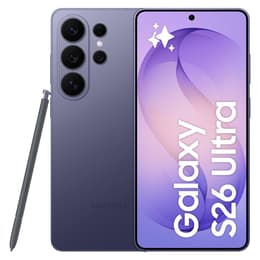
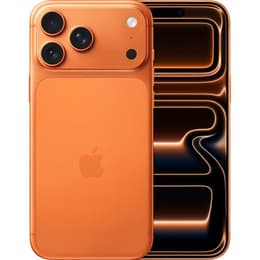
Galaxy S26 Ultra Vs iPhone 17 Pro Max
- 1-year minimum warranty
- Free delivery on all orders
- Free 30-day returns
Differences at a glance
The Samsung Galaxy S26 Ultra (2026) and the Apple iPhone 17 Pro Max (2025) represent the pinnacle of large-screen flagship smartphones from their respective ecosystems. While both devices deliver top-tier mobile capabilities and expansive displays, they differ significantly through their operating systems, hardware configurations, and everyday software experiences. Choosing between them often comes down to ecosystem preference and the specific way you interact with your mobile device.
Available Models
Colour
Storage (GB)
Scores
Durability
Both flagships are built for long-term usage, offering robust software support timelines and durable physical construction designed to withstand daily wear and tear.
- Software Support: The Galaxy S26 Ultra runs on Android with up to seven years of major system upgrades, whereas the iPhone 17 Pro Max relies on iOS with a similarly extended multi-year update path.
- Build Durability: Both models incorporate high-grade scratch-resistant glass and reinforced frames, though their repairability profiles vary depending on authorized service network accessibility.
- Expected Lifespan: Both devices easily maintain peak operational speed over several years, making a quality-assured refurbished option an eco-friendly and sustainable choice for long-term ownership.
Year of Release
2026
2025
Compatible with latest Update
Yes
Yes
OS
Android
iOS
Foldable
No
No
Performance
Demanding applications, intensive multitasking, and everyday navigation run with exceptional smoothness on both platforms, though their memory and thermal management strategies differ.
- Multitasking Capability: Generous RAM allocations on both models allow seamless switching between heavy productivity applications, media editors, and background processes.
- Gaming and Graphics: High-frame-rate gaming and complex graphics render smoothly thanks to advanced internal cooling solutions and high-performance processing hardware.
- Battery Behavior: Both devices comfortably navigate a full day of mixed usage under normal conditions, with large battery capacities supporting extended media streaming and web browsing.
Screen quality
Immersive visual experiences are central to both devices, utilizing advanced display panels that deliver crisp text and vivid colors.
- Display Technology: Both feature large OLED screens with deep black levels, high contrast ratios, and adaptive refresh rates that scale smoothly from static reading to fast motion.
- Outdoor Visibility: High peak brightness levels ensure content remains clearly legible even under direct sunlight or bright outdoor lighting conditions.
- Viewing Area: Expansive screen sizes paired with minimal bezels create an ideal canvas for productivity tasks, reading, and watching video content.
Resolution
1440 x 3120
2868x1320
Audiovisual
Versatile multi-lens configurations on both smartphones capture detailed photos and stable video across varied lighting environments.
- Photography Performance: Both systems excel at capturing sharp details in everyday lighting, with dedicated telephoto lenses providing clear zoomed-in shots without losing fidelity.
- Low-Light Capture: Advanced image sensors and stabilization features pull in light efficiently to reduce blur and noise during evening or indoor shooting.
- Video and Audio: High-resolution video recording modes, steady stabilization algorithms, and clear microphone arrays make both devices well-suited for capturing home videos and voice notes.
Front camera
12.0
18 megapixels
Miscellaneous
Practical daily usability features, connectivity standards, and physical ergonomics shape how each device fits into your routine.
- Connectivity and Ports: Both models support fast 5G cellular networks, modern Wi-Fi standards, and utilize universal USB-C ports for charging and data transfer.
- Biometrics and Security: Secure authentication is handled via facial recognition or integrated display-based fingerprint sensors depending on the chosen ecosystem.
- Physical Handling: Large dimensions and substantial weights reflect their expansive screen sizes, requiring two-handed use for comfortable, extended navigation.
Weight
214 g
233 g
Screen size (in)
6.9
6.9
Network
5G
5G
SIM card
Physical SIM + eSIM
eSIM
Carrier compatibility
Unlocked
Unlocked
Connector
USB-C
USB-C
What the community thinks
Users prioritizing deep Android customization, multi-window productivity, and stylus integration frequently find the Galaxy S26 Ultra well-suited to their daily workflows. Conversely, users deeply embedded in the Apple ecosystem who value streamlined software synergy and straightforward multimedia tools often lean toward the iPhone 17 Pro Max.
Reviewers and community members frequently praise both devices for their exceptional display quality and reliable everyday performance, though some note that their large physical footprints can feel heavy during prolonged one-handed use. Ultimately, your choice depends on whether you prefer the flexible interface of Android or the unified environment of iOS.