

Compare models
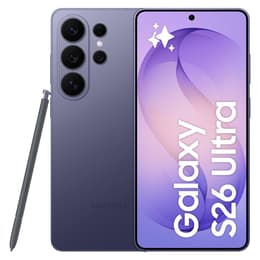
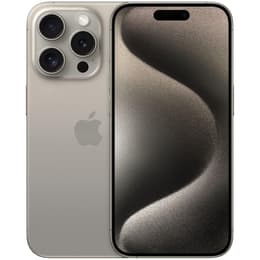
Galaxy S26 Ultra Vs iPhone 15 Pro
- 1-year minimum warranty
- Free delivery on all orders
- Free 30-day returns
Differences at a glance
The Samsung Galaxy S26 Ultra (2026) and the Apple iPhone 15 Pro (2023) represent distinct approaches to high-end smartphone design, ecosystem integration, and hardware capability. While the Galaxy S26 Ultra offers a larger form factor and a recent release date, the iPhone 15 Pro provides a compact build with long-standing software optimization. Operating on Android and iOS respectively, these two devices cater to users seeking top-tier mobile technology with very different software preferences.
Available Models
Colour
Storage (GB)
Scores
Durability
When evaluating longevity, both devices offer robust build quality and extended software support windows, though their release timelines differ by several years.
- Software Support Timeline: The Galaxy S26 Ultra benefits from an extended multi-year update commitment typical of recent releases, while the iPhone 15 Pro maintains Apple's established track record of long-term iOS updates.
- Build and Repairability: Both handsets utilize durable frame materials and reinforced glass, though professional repair networks are well-established for both brands to ensure long-term serviceability.
- Practical Lifespan: Users can expect many years of reliable daily operation from either device, making a quality-assured refurbished option a sustainable choice for reducing electronic waste without sacrificing durability.
Year of Release
2026
2023
Compatible with latest Update
Yes
Yes
OS
Android
iOS
Foldable
No
No
Performance
Both smartphones handle demanding daily scenarios with ease, though they achieve this through different hardware configurations and software architectures.
- Multitasking and Responsiveness: Generous memory configurations on both models ensure that switching between heavy applications, web browsing, and media streaming happens without noticeable stutter.
- Storage and Gaming: Ample internal storage tiers accommodate large media libraries, while advanced thermal management allows both devices to run graphic-heavy games smoothly over extended periods.
- Battery Behavior: The Galaxy S26 Ultra's larger physical footprint accommodates a higher-capacity battery designed to easily push through a full day of intensive use, whereas the iPhone 15 Pro relies on tight hardware-software integration to maximize its more compact power cell.
Screen quality
Visual output is a primary differentiator, largely driven by contrasting screen sizes and panel technologies tailored for distinct viewing preferences.
- Display Technology: Both models utilize advanced OLED panels that deliver deep black levels, high contrast, and vivid color reproduction for everyday viewing.
- Brightness and Outdoor Clarity: High peak brightness capabilities ensure that screens remain legible and clear even under direct sunlight.
- Size and Refresh Rate: The Galaxy S26 Ultra provides an expansive viewing space with a fluid high refresh rate, while the iPhone 15 Pro offers a more pocket-friendly, one-handed viewing experience backed by equally smooth scrolling.
Resolution
1440 x 3120
1179 x 2556
Audiovisual
Imaging capabilities on these devices cater to both casual photography and detailed content capture through versatile lens arrays and processing software.
- Camera Systems: The Galaxy S26 Ultra features a multi-lens setup highlighted by an ultra-high-resolution main sensor and expansive optical zoom options, while the iPhone 15 Pro relies on a refined triple-lens configuration optimized for color accuracy and portrait depth.
- Low-Light and Video: Both handsets handle low-light environments effectively using advanced image stacking, and both provide stable, high-resolution video recording modes suitable for professional-grade clips.
- Audio and Media Output: Stereo speaker setups on both devices deliver clear sound for hands-free calls and media consumption, supported by sensitive multi-microphone arrays.
Front camera
12.0
12 megapixels
Miscellaneous
Practical daily usability is shaped by connectivity standards, physical dimensions, and security authentication methods.
- Connectivity and Ports: Both models support fast 5G networks, modern Wi-Fi standards, and utilize universal USB-C ports for charging and data transfer.
- Security and Biometrics: The Galaxy S26 Ultra uses an under-display fingerprint scanner alongside facial recognition, whereas the iPhone 15 Pro relies entirely on secure facial mapping.
- Handling and Weight: The iPhone 15 Pro presents a lighter, narrower profile suited for single-handed use, while the Galaxy S26 Ultra has a wider, heavier build that accommodates its larger screen and built-in stylus functionality.
Weight
214 g
187 g
Screen size (in)
6.9
6.1
Network
5G
5G
SIM card
Physical SIM + eSIM
Physical SIM + eSIM
Carrier compatibility
Unlocked
Unlocked
Connector
USB-C
USB-C
What the community thinks
User feedback highlights distinct preferences for each device based on daily habits and ecosystem alignment. Owners of the Galaxy S26 Ultra frequently praise its expansive display, versatile zoom capabilities, and extensive workspace, though some note that its large physical dimensions can feel heavy in smaller pockets. Conversely, users of the iPhone 15 Pro appreciate its compact form factor, premium hand-feel, and reliable ecosystem sync, while occasionally pointing out that battery life requires more mindful management during heavy travel days.
Users prioritizing screen space, high-resolution zoom photography, and stylus input will find the Galaxy S26 Ultra well-suited to their needs. Meanwhile, users prioritizing a lighter, pocket-friendly device with seamless iOS integration may lean toward the iPhone 15 Pro. Choosing a quality-assured refurbished model via Back Market offers an eco-friendly alternative that extends device life cycles responsibly.