

Compare models
Galaxy S26 Ultra Vs iPhone 16 Pro Max
- 1-year minimum warranty
- Free delivery on all orders
- Free 30-day returns
Differences at a glance
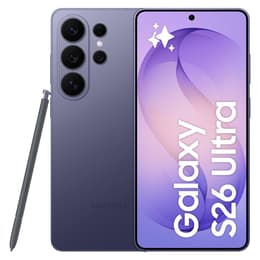
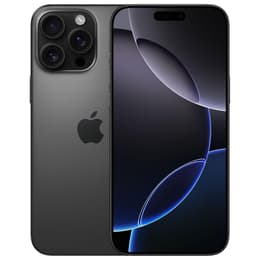
The Samsung Galaxy S26 Ultra (2026) and the Apple iPhone 16 Pro Max (2024) represent the pinnacle of large-screen flagship smartphones from their respective ecosystems. While the Galaxy S26 Ultra runs on Android with extensive multitasking capabilities, the iPhone 16 Pro Max operates on iOS with a focus on seamless hardware integration. Both devices offer premium build quality and advanced processing power, yet they cater to distinctly different user preferences regarding software interaction and daily utility.
Available Models
Colour
Storage (GB)
Scores
Durability
When evaluating structural longevity and software support, both flagships are engineered to remain functional and secure for many years, though their update cycles and repair ecosystems differ.
- Software support timelines: The Galaxy S26 Ultra benefits from a multi-year commitment to operating system updates, aligning with current Android industry standards, whereas the iPhone 16 Pro Max typically receives software updates spanning five to six years from its release.
- Repair accessibility: Both manufacturers provide structured repair programs, though independent service availability and modular component replacement tend to vary by region for each ecosystem.
- Expected lifespan: Robust physical construction and high-capacity internal components ensure that both devices easily sustain multiple years of demanding daily use without significant degradation.
Year of Release
2026
2024
Compatible with latest Update
Yes
Yes
Foldable
No
No
Performance
Underneath the exterior, both devices manage heavy computational loads efficiently, though they utilize distinct hardware architectures and memory configurations to handle multitasking and demanding applications.
- App loading and multitasking: Generous RAM allocations on both models allow seamless background app switching, effortless photo editing, and smooth execution of high-end mobile games without noticeable stutter.
- Battery behavior: Large internal batteries provide enough charge to comfortably last through a full day of mixed media consumption, navigation, and messaging, supported by rapid charging technologies.
- Thermal management: Advanced cooling designs help sustain optimal processing speeds during prolonged tasks such as extended gaming sessions or high-resolution video exporting.
Screen quality
Both smartphones feature expansive, high-resolution displays designed for optimal clarity, accurate color reproduction, and effortless outdoor visibility under bright ambient light.
- Display technology: Each device utilizes advanced OLED panels that deliver deep black levels, infinite contrast, and vibrant color palettes suitable for cinematic video viewing.
- Refresh rate and smoothness: Adaptive refresh rate capabilities ensure that scrolling through web pages and navigating user interfaces remains fluid while conserving battery power during static tasks.
- Outdoor legibility: Exceptional peak brightness levels enable clear visibility under direct sunlight, minimizing reflections and making outdoor reading straightforward.
Resolution
1440 x 3120
1320 x 2868
Audiovisual
Photography and videography capabilities on these flagships cater to both casual creators and detail-oriented users through versatile multi-lens arrays and robust software processing.
- Main camera versatility: High-resolution primary sensors capture crisp details and balanced dynamic range across varied lighting conditions, supported by dedicated ultra-wide and telephoto options.
- Video recording quality: Both models offer stable, high-definition video capture with advanced stabilization features and clear audio recording through multi-microphone arrays.
- Media consumption output: Stereo speaker configurations deliver balanced sound staging and adequate volume for hands-free calls, podcasts, and casual video playback.
Front camera
12.0
12 megapixels
Miscellaneous
Practical daily usability is shaped by physical dimensions, connectivity standards, and biometric authentication features integrated into each chassis design.
- Connectivity and ports: Both devices support rapid 5G networks, modern Wi-Fi protocols, and universal USB-C connectivity for data transfer and charging convenience.
- Biometric security: The Galaxy S26 Ultra offers under-display fingerprint sensing alongside facial recognition, while the iPhone 16 Pro Max relies exclusively on advanced facial mapping technology.
- Dimensions and handling: Large screen formats result in substantial physical footprints, though slim bezels and ergonomic weight distributions help maintain a secure grip during one-handed use.
Weight
214 g
227 g
Screen size (in)
6.9
6.9
Network
5G
5G
SIM card
Physical SIM + eSIM
eSIM
Carrier compatibility
Unlocked
Unlocked
Connector
USB-C
USB-C (USB 3)
What the community thinks
User feedback from online communities highlights distinct preferences between the two ecosystems. Users frequently praise the Galaxy S26 Ultra for its exceptional zoom capabilities, flexible multitasking tools, and integrated stylus functionality. Conversely, owners of the iPhone 16 Pro Max frequently commend its intuitive video recording workflow, robust application ecosystem, and reliable long-term performance consistency.
Users prioritizing deep customization, file management flexibility, and advanced telephoto photography may prefer the Galaxy S26 Ultra. Meanwhile, users who value streamlined video production, seamless integration with other computing hardware, and straightforward interface navigation often lean toward the iPhone 16 Pro Max. Choosing between these quality-assured refurbished options or brand-new models depends entirely on individual workflow preferences and ecosystem familiarity.