

Compare models

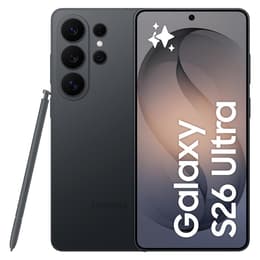
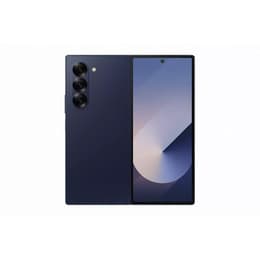
Galaxy S26 Ultra Vs Galaxy Z Fold6

  • 1-year minimum warranty
  • Free delivery on all orders
  • Free 30-day returns
Galaxy S26 Ultra
Starting at

Refurbished price:€879.00

Versus €1,449.00 new

See options
Galaxy Z Fold6
Starting at

Refurbished price:€609.00

Versus €2,000.75 new

See options

Differences at a glance

The Samsung Galaxy S26 Ultra (2026) and the Samsung Galaxy Z Fold6 (2024) represent two distinct visions of high-end mobile engineering. While the Galaxy S26 Ultra focuses on a traditional slab form factor packed with a built-in stylus and advanced optics, the Galaxy Z Fold6 introduces a book-style foldable design that transforms from a standard smartphone into a tablet-sized workspace. Both devices operate on the Android ecosystem with Samsung's custom interface, yet their physical designs cater to entirely different daily workflows.

Available Models

Colour

Storage

Scores

Durability

When evaluating structural longevity and software support, both devices offer robust long-term value, though their physical formats introduce different considerations for wear and tear.

  • Software longevity: Both smartphones receive extended operating system updates and security patches from Samsung, with newer models typically enjoying support windows spanning seven years from their respective release dates.
  • Build durability: The Galaxy S26 Ultra features a standard rigid titanium frame with high water and dust resistance ratings, whereas the Galaxy Z Fold6 utilizes a complex folding hinge mechanism that requires careful handling over years of daily folding cycles.
  • Repair considerations: Standard slab smartphones like the Galaxy S26 Ultra generally present simpler maintenance and screen replacement processes compared to foldable screens, making them a sustainable choice for users seeking maximum longevity from a quality-assured refurbished option.

Year of Release

2026

2024

Compatible with latest Update

Yes

Yes

OS

Android

Android

Foldable

No

Yes

Performance

Underneath their outer shells, both smartphones handle demanding digital tasks with ease, though their multitasking environments and memory management vary significantly.

  • Processing speed: Both devices handle heavy apps, high-end mobile gaming, and rapid multitasking smoothly without noticeable lag, maintaining high responsiveness during intensive workloads.
  • Multitasking capacity: The Galaxy Z Fold6 leverages its expansive folding screen to run multiple applications side by side simultaneously, whereas the Galaxy S26 Ultra manages traditional split-screen tasks efficiently on a single, wide display.
  • Battery behavior: The Galaxy S26 Ultra accommodates a larger physical battery that comfortably lasts through a full day of heavy use, while the Galaxy Z Fold6 requires more frequent charging due to the power demands of driving two separate display panels.

Screen quality

Display technology is the primary differentiator between these two models, shaping how users consume media, read documents, and interact with applications.

  • Panel technology: Both phones utilize vibrant OLED display panels that deliver deep blacks, high contrast ratios, and sharp clarity, ensuring crisp text and vivid imagery.
  • Size and workspace: The Galaxy S26 Ultra provides a large, uninterrupted slab screen suited for traditional viewing, while the Galaxy Z Fold6 unfolds into a tablet-sized canvas that excels at productivity, reading, and media viewing.
  • Outdoor visibility: Both screens feature high peak brightness levels that allow for comfortable viewing and clear readability even under direct sunlight outdoors.

Resolution

1440 x 3120

1856 x 2160

Audiovisual

Imaging capabilities differ notably based on the physical design constraints and hardware priorities of each device model.

  • Optics and zoom: The Galaxy S26 Ultra includes a versatile multi-lens camera array featuring high-resolution sensors and dedicated telephoto zoom lenses for capturing distant subjects clearly, while the Galaxy Z Fold6 offers a more compact multi-lens system tailored for everyday snapshots and standard framing.
  • Low-light performance: Both devices capture detailed photos in dim lighting conditions thanks to advanced image processing algorithms, though the S26 Ultra pulls ahead in extreme telephoto scenarios.
  • Media consumption and audio: Both models feature loud, balanced stereo speakers suitable for casual video viewing and calls, alongside clear microphone arrays that isolate voice audio effectively during conversations.

Front camera

12.0

4 megapixels

Miscellaneous

Daily usability is shaped by physical dimensions, accessory integration, and connectivity standards embedded in each device.

  • Form factor and handling: The Galaxy S26 Ultra offers a boxy, rigid profile with an integrated stylus silo for note-taking, whereas the Galaxy Z Fold6 is thicker and heavier when folded closed but opens into a much broader workspace.
  • Connectivity and ports: Both smartphones support modern 5G networks, fast Wi-Fi standards, and Bluetooth connections, utilizing standard USB-C ports for charging and data transfer.
  • Biometrics: Both devices feature responsive biometric security options, combining facial recognition with side-mounted fingerprint scanners integrated into the power button.

Weight

214 g

239 g

Screen size (in)

6.9

7.6

Network

5G

5G

SIM card

Physical SIM + eSIM

Dual Physical SIM + eSIM

Carrier compatibility

Unlocked

Unlocked

Connector

USB-C

USB-C

What the community thinks

Community discussions and user feedback indicate that buyers appreciate the Galaxy S26 Ultra for its robust battery life, dependable everyday camera versatility, and the convenient inclusion of a dedicated stylus for productivity. Conversely, users frequently praise the Galaxy Z Fold6 for transforming portable computing through its expansive folding screen, though some note that its heavier weight and visible screen crease take time to get used to. Users prioritizing traditional camera reach, all-day battery endurance, and an integrated stylus may prefer the Galaxy S26 Ultra, while users prioritizing multi-app workflows, reading space, and a tablet-like experience in a pocketable format will lean toward the Galaxy Z Fold6. Exploring a certified refurbished model provides a sustainable alternative for acquiring either device without compromising on performance standards.