iPhone

Compare models
Differences at a glance
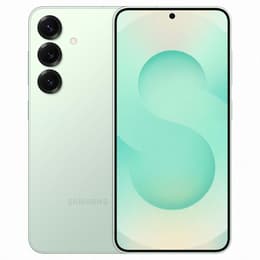
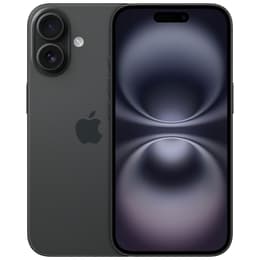
The iPhone 16, released in September 2024, and the Samsung Galaxy S25, launched in February 2025, represent the latest iterations of their respective flagship smartphone lines. Both devices offer advanced mobile experiences, but they cater to different user preferences through their distinct operating systems and hardware philosophies. While the iPhone 16 operates on Apple's iOS, the Galaxy S25 runs on Google's Android, leading to fundamental differences in user interface, app ecosystem, and customization options. Key differentiators also emerge in their display technology and camera capabilities, influencing how users interact with and capture content on each device.
Colour
Storage
When considering the long-term usability of a smartphone, factors like software support and physical resilience are important. The iPhone 16 and Galaxy S25 offer robust designs, but their software longevity and material choices present some distinctions.
Year of Release
Compatible with latest Update
Foldable
The performance of a smartphone is largely determined by its internal processing power and how efficiently it manages tasks and applications. Both the iPhone 16 and Galaxy S25 are equipped with advanced components designed for demanding usage.
The display is a primary interface for smartphone interaction, and both devices offer high-quality viewing experiences with distinct characteristics.
Resolution
Screen type
Camera capabilities are a significant consideration for many users, and both the iPhone 16 and Galaxy S25 provide advanced systems for capturing photos and videos.
Beyond core features, several practical elements contribute to the overall user experience and daily functionality of these devices.
Weight
Screen size (in)
Network
SIM card
Carrier compatibility
Connector
The iPhone 16 and Samsung Galaxy S25 each offer a compelling smartphone experience, appealing to different user priorities. User feedback for the iPhone 16 often highlights its seamless integration within the Apple ecosystem, its intuitive iOS interface, and its consistent camera performance. Some users note that while the battery life is improved over previous models, it may not be exceptional compared to some Android counterparts. The Galaxy S25 is frequently praised for its vibrant display, the flexibility of the Android operating system, and its powerful performance for demanding applications. However, some user discussions around the S25 Ultra have raised concerns regarding the durability of certain design elements like camera rings and scratch resistance, though this may not apply to the base S25 model.
Users who prioritize a highly integrated ecosystem, consistent software updates, and a straightforward user experience may find the iPhone 16 well-suited to their needs. Its robust camera system and strong performance make it a reliable choice for everyday use and content creation. Conversely, individuals who value greater customization, a more versatile camera setup with optical zoom, and a higher refresh rate display might lean towards the Galaxy S25. Its larger battery capacity and faster data transfer speeds through its USB-C port could also be significant factors for power users. Both devices represent excellent choices, and considering a quality-assured refurbished option for either model can be a sustainable choice for consumers.