

Galaxy S25 Ultra Vs Xiaomi 13T

Galaxy S25 Ultra
Galaxy S25 Ultra
Starting at

Refurbished price:735.00

Versus €1,408.78 new

See options
Xiaomi 13T
Xiaomi 13T
Starting at

Refurbished price:183.00

Versus €630.00 new

See options

Ratings

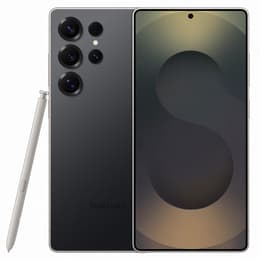
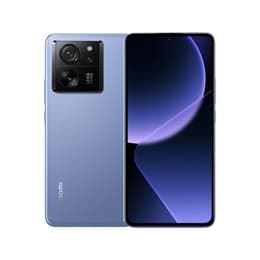
The Samsung Galaxy S25 Ultra, released in February 2025, and the Xiaomi 13T, launched in September 2023, represent different segments of the smartphone market. While both offer robust Android experiences, the Galaxy S25 Ultra is positioned as a premium flagship device with advanced features, whereas the Xiaomi 13T provides a strong performance and camera experience in a more accessible package. Key differentiators include their processing power, camera versatility, and long-term software support.

Scores

Durability

The longevity of a smartphone is influenced by its release timeline, software support, and physical durability.

  • Release Timeline: The Galaxy S25 Ultra, released in February 2025, benefits from being a newer device compared to the Xiaomi 13T, which launched in September 2023. This difference in release date inherently provides the S25 Ultra with a longer period before it is considered an older generation device.
  • Software Support: Samsung commits to providing up to seven generations of Android operating system updates for the Galaxy S25 Ultra, ensuring extended access to new features and security enhancements. The Xiaomi 13T, on the other hand, was launched with a commitment of four generations of Android OS upgrades and five years of security patches. This means the Galaxy S25 Ultra will receive software support for a significantly longer duration.
  • Durability Features: The Galaxy S25 Ultra features a titanium frame and Corning Gorilla Armor 2 on both the front and back, offering enhanced scratch resistance and overall resilience. The Xiaomi 13T uses a glass front with Gorilla Glass 5 protection and a plastic frame, along with an IP68 rating for dust and water resistance, similar to the S25 Ultra. Users prioritizing maximum physical durability might find the S25 Ultra's materials more robust.

Year of Release

2025

2023

Compatible with latest Update

Yes

Yes

OS

Android

Android

Foldable

No

No

Performance

Performance in smartphones is determined by the efficiency of their internal components, impacting daily responsiveness and handling of demanding applications.

  • Processing Power: The Galaxy S25 Ultra is equipped with a current-generation flagship processor, designed to handle intensive tasks, complex applications, and advanced gaming with high efficiency. The Xiaomi 13T features a capable upper-mid-range processor, which provides smooth performance for everyday use, multitasking, and most popular games.
  • Multitasking and Storage: The Galaxy S25 Ultra offers configurations with up to 16GB of RAM and uses UFS 4.0 storage, contributing to faster app loading and seamless transitions between applications. The Xiaomi 13T comes with up to 12GB of RAM and UFS 3.1 storage, which is efficient for typical multitasking and provides quick data access.
  • Battery Behavior: Both devices house a 5000 mAh battery. The Galaxy S25 Ultra is reported to offer extended usage times, with some tests indicating over 17 hours of general use and up to 31 hours of video playback. The Xiaomi 13T also provides a full day of use for many users, though heavy usage might require more frequent charging.

Memory (GB)

12 GB

8 GB

Screen quality

The display is a primary interface for smartphone interaction, with differences in technology and specifications affecting the visual experience.

  • Display Technology and Clarity: Both phones feature AMOLED displays, known for deep blacks and vibrant colors. The Galaxy S25 Ultra has a 6.9-inch Dynamic LTPO AMOLED 2X display with a QHD+ resolution (3120x1440 pixels), resulting in a high pixel density. The Xiaomi 13T offers a 6.67-inch AMOLED display with a 1.5K resolution (2712x1220 pixels). The S25 Ultra's higher resolution provides a slightly sharper image.
  • Brightness and Refresh Rate: Both devices boast a high peak brightness of up to 2600 nits, ensuring good visibility even in bright outdoor conditions. The Galaxy S25 Ultra features an adaptive 120Hz refresh rate, providing smooth scrolling and responsiveness. The Xiaomi 13T offers an even higher 144Hz refresh rate, which can provide an exceptionally fluid visual experience in compatible content.
  • Additional Display Features: The Galaxy S25 Ultra includes ProScaler technology, which uses AI to enhance lower-resolution content for its high-resolution display. It also features Corning Gorilla Armor 2 for enhanced durability. The Xiaomi 13T uses Gorilla Glass 5 for screen protection.

Resolution

1080 x 2340 pixels

1220 x 2712

Audiovisual

Camera systems are a significant aspect of modern smartphones, with varying configurations and software enhancements impacting photographic and videographic output.

  • Rear Camera Systems: The Galaxy S25 Ultra features a versatile quad-camera setup, including a 200MP main sensor, a 50MP ultrawide lens, a 10MP telephoto lens with 3x optical zoom, and a 50MP periscope telephoto lens offering 5x optical zoom and 10x optical quality zoom. The Xiaomi 13T comes with a triple camera system co-engineered with Leica, featuring a 50MP wide-angle main camera, a 50MP telephoto lens with 2x optical zoom, and a 12MP ultrawide camera.
  • Photography Performance: The S25 Ultra's main camera excels in capturing detailed and vibrant photos across various lighting conditions, with advanced AI features for low-light performance and zoom. Its multiple telephoto lenses provide significant flexibility for zooming. The Xiaomi 13T's Leica-tuned cameras offer distinct color profiles (Authentic and Vibrant) and produce impressive photos, particularly in daylight, with good dynamic range.
  • Video Capabilities: The Galaxy S25 Ultra supports video recording up to 8K at 30fps and 4K at up to 120fps, along with features like Dual Recording in 4K and log format video for professional-grade editing. The Xiaomi 13T records video at up to 4K at 30fps. The S25 Ultra offers more advanced video recording options.

Front camera

8K@24/30fps

20 megapixels

Miscellaneous

Beyond core performance and display, several practical elements contribute to the overall user experience of a smartphone.

  • Connectivity and Ports: Both devices support 5G connectivity, Wi-Fi 7, and Bluetooth 5.4. Both also feature a USB-C port for charging and data transfer. The Galaxy S25 Ultra additionally supports Ultra-Wideband (UWB) for enhanced spatial awareness and device tracking.
  • Biometrics and Stylus: Both phones incorporate an in-screen fingerprint sensor for secure unlocking. A notable feature of the Galaxy S25 Ultra is its integrated S Pen stylus, offering precise input for note-taking, drawing, and navigation. The Xiaomi 13T does not include stylus support.
  • Design and Handling: The Galaxy S25 Ultra has dimensions of 162.8 x 77.6 x 8.2 mm and weighs 218g, featuring a premium titanium frame. The Xiaomi 13T measures 162.2 x 75.7 x 8.49 mm (glass variant) and weighs 197g, with a plastic frame. The S25 Ultra is slightly larger and heavier, reflecting its premium build materials and integrated stylus.

Weight

2 g

193 g

Screen size (in)

6.9

6.67

Network

5G

5G

SIM card

Physical SIM + eSIM

Dual Physical SIM

Carrier compatibility

Unlocked

Unlocked

Connector

USB-C

USB-C

The Samsung Galaxy S25 Ultra and the Xiaomi 13T cater to different user needs, each offering a distinct set of strengths. User feedback for the Galaxy S25 Ultra often highlights its exceptional camera versatility, particularly its zoom capabilities and advanced video features, as well as its long-lasting battery life and the utility of the S Pen. Some discussions also praise its vibrant and bright display, though some users note that its full display potential might require manual setting adjustments. For the Xiaomi 13T, users frequently commend its strong performance for its segment, the quality of its Leica-tuned cameras, and its fast wired charging. Its high refresh rate display is also a common point of praise.

Users prioritizing a comprehensive flagship experience with cutting-edge camera technology, extensive software support, and integrated stylus functionality will find the Samsung Galaxy S25 Ultra well-suited to their needs. Its robust build and advanced display features also appeal to those seeking a premium device. Conversely, users who value a strong all-around smartphone experience with capable cameras, a smooth display, and efficient performance for everyday tasks, without requiring the absolute latest in every specification, may lean towards the Xiaomi 13T. It offers a compelling package for those seeking a device that balances features and performance effectively.

Both devices, whether new or as quality-assured refurbished options, provide excellent choices depending on individual priorities. Opting for a refurbished model can be an eco-friendly alternative, extending the life cycle of these devices.


See all articles

Our recent comparisons






