
iPhone 15 Vs Xiaomi 13T

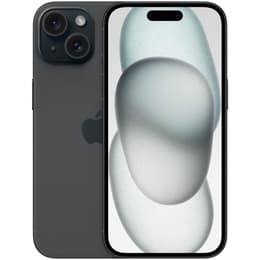
iPhone 15
iPhone 15
Starting at

Refurbished price:391.00

Versus €879.00 new

See options
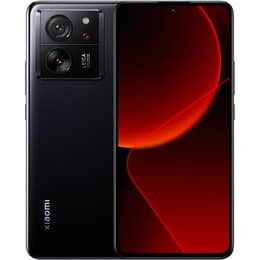
Xiaomi 13T
Xiaomi 13T
Starting at

Refurbished price:183.00

Versus €630.00 new

See options

Ratings

The iPhone 15, released in September 2023, and the Xiaomi 13T, launched in September 2023, are both contemporary smartphones offering distinct experiences within their respective ecosystems. While the iPhone 15 operates on Apple's iOS, the Xiaomi 13T runs on Android with Xiaomi's HyperOS, providing different software environments. Key differentiators include their display technologies and camera philosophies, catering to varied user preferences.

Scores

Durability

When considering the practical lifespan of these devices, several factors come into play, including software support, physical durability, and ease of repair.

  • Software Longevity: The iPhone 15 is expected to receive iOS updates for an extended period, typically 5-6 years from its release, ensuring access to the latest features and security patches. The Xiaomi 13T is promised four major Android OS upgrades and five years of security patches, offering substantial long-term software support.
  • Physical Resilience: Both devices carry an IP68 rating for dust and water resistance, meaning they can withstand immersion in fresh water up to 1.5 meters for 30 minutes for the Xiaomi 13T, and up to 6 meters for 30 minutes for the iPhone 15. The iPhone 15 features a Ceramic Shield front, while the Xiaomi 13T uses Corning Gorilla Glass 5 for screen protection. The iPhone 15 has an aluminum frame, which has shown good structural integrity in bend tests, though its curved glass edges might be more exposed to drops. The Xiaomi 13T also features an aluminum frame, with some variants offering a glass or eco-leather back.
  • Repairability: While specific repairability scores can vary, both manufacturers aim to make their devices serviceable. The iPhone 15's design, with a removable back glass, is noted to potentially aid in repairability.

Year of Release

2023

2023

Compatible with latest Update

Yes

Yes

OS

iOS

Android

Foldable

No

No

Performance

The performance of a smartphone is crucial for daily tasks, from navigating apps to demanding gaming sessions. Both the iPhone 15 and Xiaomi 13T offer capable hardware for a smooth user experience.

  • Processing Power: The iPhone 15 is equipped with a powerful processor that ensures fast and fluid operation across the iOS ecosystem. It handles demanding applications and graphic-intensive games smoothly, providing a responsive experience for most users. The Xiaomi 13T features a current-generation processor designed for power efficiency and strong performance. It capably manages everyday tasks and multitasking, with users reporting a smooth experience.
  • Multitasking and Responsiveness: The iPhone 15, with its optimized software and hardware integration, offers seamless app switching and consistent responsiveness. The Xiaomi 13T, available with 8GB or 12GB of RAM, supports efficient multitasking, allowing users to run multiple applications simultaneously without significant slowdowns.
  • Gaming and Demanding Apps: For gaming, the iPhone 15 delivers high frame rates and detailed graphics, even in titles with intensive visual requirements. The Xiaomi 13T also performs well in gaming, handling demanding titles with ease, though some users have noted it can get warm during extended gaming sessions.

Memory (GB)

6 GB

8 GB

Screen quality

The display is a primary interface for smartphone interaction, and both devices offer vibrant and clear viewing experiences, though with some key differences in technology and specifications.

  • Display Technology and Clarity: The iPhone 15 features a 6.1-inch Super Retina XDR OLED display, providing deep blacks, vibrant colors, and sharp text with a resolution of 2556x1179 pixels. The Xiaomi 13T boasts a larger 6.67-inch CrystalRes AMOLED display, offering excellent color reproduction and clarity with a 2712x1220 pixel resolution.
  • Brightness and Outdoor Visibility: Both phones offer high brightness levels for good outdoor visibility. The iPhone 15 can reach a peak outdoor brightness of up to 2000 nits. The Xiaomi 13T surpasses this with a peak brightness of up to 2600 nits, ensuring content remains readable even in direct sunlight.
  • Refresh Rate and Smoothness: The iPhone 15 has a standard 60Hz refresh rate, which provides a smooth experience for general use. In contrast, the Xiaomi 13T features a higher 144Hz refresh rate, contributing to noticeably smoother scrolling and more fluid animations, particularly beneficial for gaming and fast-paced content.

Resolution

1179 x 2556

1220 x 2712

Screen type

Super Retina XDR OLED

AMOLED

Audiovisual

Photography capabilities are a significant consideration for many users, and both the iPhone 15 and Xiaomi 13T offer advanced camera systems designed to capture high-quality images and videos.

  • Rear Camera Systems: The iPhone 15 features a dual-camera setup with a 48MP main sensor that includes 2x telephoto zoom capabilities, alongside a 12MP ultrawide camera. The Xiaomi 13T offers a triple camera system co-engineered with Leica, comprising a 50MP wide-angle lens with optical image stabilization, a 50MP telephoto lens with 2x optical zoom, and a 12MP ultrawide lens.
  • Photography Performance: The iPhone 15 is praised for capturing sharp, vibrant photos in various conditions, including low light, making it suitable for everyday photography. The Xiaomi 13T's main camera is also noted for its quality, with Leica's color science contributing to distinct aesthetics, particularly in outdoor settings. However, some users find the ultrawide camera on the Xiaomi 13T to be less effective in low light.
  • Video Recording and Audio: Both devices are capable of recording high-quality video. The iPhone 15 offers robust video features and good microphone quality for calls and recordings. The Xiaomi 13T also provides strong video recording capabilities, with its stereo speakers delivering clear audio for media consumption.

Main camera

48 megapixels

50 megapixels

Front camera

12 megapixels

20 megapixels

Miscellaneous

Beyond core performance and display, several practical features and design elements contribute to the overall user experience of these smartphones.

  • Connectivity and Ports: Both devices support modern connectivity standards, including 5G, Wi-Fi 802.11ax, and Bluetooth 5.3 (iPhone 15) or 5.4 (Xiaomi 13T). A notable difference is the charging port: the iPhone 15 has adopted USB-C, aligning with broader industry standards, while the Xiaomi 13T also uses USB Type-C 2.0.
  • Biometric Security: The iPhone 15 relies on Face ID for secure facial recognition. The Xiaomi 13T offers both an in-screen fingerprint sensor and AI face unlock for biometric authentication.
  • Design and Handling: The iPhone 15 features a durable color-infused glass and aluminum design, weighing 171 grams. The Xiaomi 13T offers design options including a glass or silicone polymer (eco-leather) back with a plastic frame, weighing around 197 grams. The Xiaomi 13T also includes an infrared blaster, a feature not commonly found on many smartphones, allowing it to function as a universal remote.

Weight

171 g

193 g

Screen size (in)

6.1

6.67

Network

5G

5G

SIM card

Physical SIM + eSIM

Dual Physical SIM

Carrier compatibility

Unlocked

Unlocked

Connector

USB-C (USB 2)

USB-C

The iPhone 15 and Xiaomi 13T both present compelling options for smartphone users, each with strengths that cater to different priorities. Users frequently praise the iPhone 15 for its intuitive iOS experience, consistent performance, and excellent camera quality for everyday moments. Some common criticisms include its 60Hz display, which some users find less smooth compared to higher refresh rate screens, and occasional reports of overheating under specific conditions.

The Xiaomi 13T receives commendation for its vibrant 144Hz AMOLED display, robust battery life, and capable camera system co-engineered with Leica. However, some users have noted potential for the device to warm up during intensive gaming and occasional camera lag.

Users prioritizing a highly optimized software ecosystem, long-term software support, and a consistently reliable camera for general use may find the iPhone 15 well-suited to their needs. Conversely, those who value a larger, high-refresh-rate display, faster charging capabilities, and a more customizable Android experience might lean towards the Xiaomi 13T. Both devices represent quality-assured options, and considering refurbished models can be an eco-friendly alternative for acquiring either device.

See all articles

Our recent comparisons