

iPhone 12 Vs Xiaomi 13T

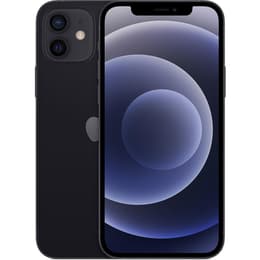
iPhone 12
iPhone 12
Starting at

Refurbished price:174.00

Versus €829.00 new

See options
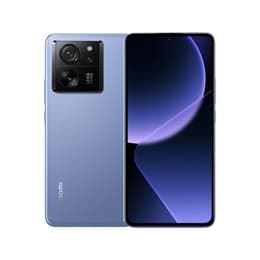
Xiaomi 13T
Xiaomi 13T
Starting at

Refurbished price:183.00

Versus €630.00 new

See options

Ratings

The iPhone 12, released in October 2020, and the Xiaomi 13T, launched in September 2023, represent distinct approaches to smartphone design and functionality from different generations. While both are capable devices, they offer varying strengths in areas such as display technology, camera systems, and software ecosystems. This comparison aims to highlight the practical differences to help users determine which device aligns best with their needs.

Scores

Durability

When considering the longevity of these devices, their respective release timelines and software support policies are key factors. The iPhone 12, being an older model, has already received several major operating system updates, while the Xiaomi 13T benefits from a more recent launch.

  • Software Support: The iPhone 12 originally shipped with iOS 14.1 and has continued to receive updates, currently running iOS 26.4 as of March 2026, with an expected support window of approximately 5-6 years from its release. The Xiaomi 13T launched with Android 13 and MIUI 14, and is anticipated to receive four major Android updates, extending its support up to Android 17, along with five years of security updates.
  • Repairability: The iPhone 12 received an iFixit repairability score of 6 out of 10, indicating that many of its components are replaceable. However, concerns have been raised regarding the need for proprietary tools for certain repairs, such as camera and screen replacements, which can complicate independent servicing. Information on the Xiaomi 13T's specific repairability score is not as widely available, but its design generally allows for component replacement.
  • Practical Lifespan: Given its newer release, the Xiaomi 13T is likely to receive software and security updates for a longer period than the iPhone 12, potentially offering a slightly extended practical lifespan in terms of software currency. Both devices feature robust build quality, with the iPhone 12 utilizing a Ceramic Shield front and aluminum frame, and the Xiaomi 13T offering IP68 water and dust resistance with options for glass or eco-leather backs.

Year of Release

2020

2023

Compatible with latest Update

Yes

Yes

OS

iOS

Android

Foldable

No

No

Performance

The performance of a smartphone is crucial for daily tasks, from app usage to demanding applications. Both the iPhone 12 and Xiaomi 13T offer capable internal hardware, but their real-world experiences differ due to their respective architectures and software optimizations.

  • Processing Power: The iPhone 12 is equipped with a powerful processor that, at its release, demonstrated strong performance, handling demanding applications and multitasking smoothly. The Xiaomi 13T features a current-generation processor designed to deliver excellent performance, ensuring demanding apps and multitasking run without noticeable delays.
  • Multitasking and Responsiveness: Users of the iPhone 12 generally experience fluid navigation and quick app loading, a hallmark of its optimized operating system. The Xiaomi 13T also provides a responsive user experience, with its processor and ample RAM (8GB or 12GB) contributing to smooth transitions and efficient handling of multiple applications simultaneously.
  • Storage and Battery Behavior: The iPhone 12 is available with storage options of 64GB, 128GB, and 256GB. Its battery capacity is 2815 mAh, with real-world usage often described as average, sometimes requiring a charge before the end of a heavy-use day, particularly when utilizing 5G connectivity. The Xiaomi 13T offers 256GB of storage across its configurations. It includes a larger 5000mAh battery, which typically provides a full day of mixed usage, though heavy users might find themselves needing to recharge by evening.

Memory (GB)

4 GB

8 GB

Screen quality

The visual experience is a primary interaction point for smartphone users, and both devices offer displays designed for clarity and vibrant visuals, though with different specifications and characteristics.

  • Display Technology and Clarity: The iPhone 12 features a 6.1-inch Super Retina XDR OLED display, providing deep blacks and vibrant colors with a resolution of 2532x1170 pixels at 460 pixels per inch. The Xiaomi 13T boasts a larger 6.67-inch AMOLED display with a resolution of 1220x2712 pixels, resulting in a pixel density of 446 pixels per inch, also delivering excellent color reproduction and deep blacks.
  • Brightness and Smoothness: The iPhone 12 offers a typical maximum brightness of 625 nits, peaking at 1200 nits for HDR content, ensuring good visibility in various lighting conditions. Its display operates at a standard refresh rate. The Xiaomi 13T provides a higher peak brightness of up to 2600 nits, which can be beneficial for outdoor visibility. It also features a higher refresh rate of 144Hz and a touch sampling rate of 480Hz, contributing to smoother scrolling and more responsive interactions.
  • Viewing Experience: Both displays support HDR content, offering an immersive viewing experience for videos and photos. The iPhone 12's True Tone technology adjusts the display to ambient light for a more natural viewing experience. The Xiaomi 13T's larger screen and higher refresh rate can enhance the experience for media consumption and gaming, providing a more fluid visual output.

Resolution

1170 x 2532

1220 x 2712

Screen type

Super Retina XDR OLED

AMOLED

Audiovisual

Camera capabilities are a significant consideration for many users, and both the iPhone 12 and Xiaomi 13T offer advanced systems for capturing photos and videos, each with its own strengths and features.

  • Rear Camera Systems: The iPhone 12 is equipped with a dual 12-megapixel camera system, comprising a wide and an ultrawide lens. The main wide camera features a larger aperture (f/1.6) for improved low-light performance. The Xiaomi 13T features a versatile triple rear camera setup, co-engineered with Leica, including a 50-megapixel main camera with optical image stabilization (OIS), a 50-megapixel telephoto lens with 2x optical zoom, and a 12-megapixel ultrawide camera.
  • Photography Performance: The iPhone 12 delivers good detail and color reproduction in daylight, with notable improvements in low-light photography thanks to its enhanced main sensor and Night mode, which is available across all cameras. The Xiaomi 13T excels in both daylight and low-light conditions, with its Leica-tuned cameras producing sharp, detailed images with appealing colors and effective noise reduction, especially with its dedicated Night mode. The telephoto lens provides clear zoomed-in shots.
  • Video and Front Camera: The iPhone 12 supports video recording up to 4K at 60 frames per second, including HDR video with Dolby Vision at up to 4K at 30 frames per second. Its front camera is a 12-megapixel sensor capable of capturing detailed selfies. The Xiaomi 13T records video up to 4K at 30 frames per second, with electronic image stabilization (EIS) available across modes. It features a 20-megapixel front camera that captures good detail and accurate skin tones.

Main camera

12 megapixels

50 megapixels

Front camera

12 megapixels

20 megapixels

Miscellaneous

Beyond core performance and display, several practical features contribute to the overall user experience and differentiate these two smartphones.

  • Connectivity and Ports: Both devices support 5G connectivity, enabling faster mobile data speeds. The iPhone 12 also includes Wi-Fi 6. The Xiaomi 13T offers more advanced connectivity with Wi-Fi 7 and Bluetooth 5.4. For physical connections, the iPhone 12 uses Apple's proprietary Lightning port. The Xiaomi 13T, in contrast, features a more universally adopted USB-C port.
  • Biometric Security and Design: The iPhone 12 relies on Face ID for secure facial recognition. The Xiaomi 13T incorporates an in-display fingerprint sensor for biometric authentication. In terms of physical design, the iPhone 12 has dimensions of 146.7 x 71.5 x 7.4 mm and weighs 164 grams, featuring a flat-edged design and a Ceramic Shield front for durability. The Xiaomi 13T is slightly larger and heavier, measuring 162.2 x 75.7 x 8.49 mm and weighing between 193-197 grams, with an IP68 rating for water and dust resistance.
  • Audio Experience: Both phones offer stereo speaker setups for an enhanced audio experience during media consumption. The Xiaomi 13T also supports Dolby Atmos, which can provide a more immersive soundstage.

Weight

164 g

193 g

Screen size (in)

6.1

6.67

Network

5G

5G

SIM card

Physical SIM + eSIM

Dual Physical SIM

Carrier compatibility

Unlocked

Unlocked

Connector

Lightning

USB-C

User feedback for the iPhone 12 often highlights its consistent performance and reliable camera system, particularly its ability to capture quality photos in various lighting conditions. However, some users have expressed concerns about its battery life, especially with heavy usage or when connected to 5G networks. The Xiaomi 13T generally receives praise for its vibrant display, strong camera capabilities with Leica tuning, and overall smooth performance. Criticisms sometimes point to its battery life, which, despite a large capacity, can be average for power users.

Users who prioritize a compact form factor, a highly optimized software experience, and a consistent camera for everyday photography may find the iPhone 12 well-suited to their needs. Its long-term software support, while nearing its end compared to newer models, still provides a stable platform. Conversely, users seeking a larger, high-refresh-rate display for media and gaming, a versatile camera system with advanced features like a telephoto lens, and a more open Android ecosystem might lean towards the Xiaomi 13T. Its newer hardware and extended software update policy offer a longer runway for future-proofing.

For those considering either device, exploring quality-assured refurbished options can be a sustainable choice, offering access to these technologies while supporting eco-friendly practices.

See all articles

Our recent comparisons






