

Compare models

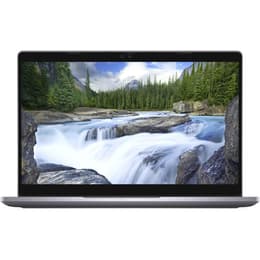
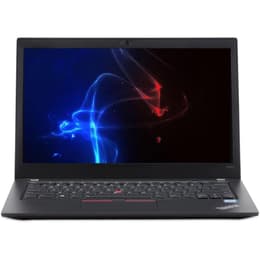
Dell Latitude 5310 13" Vs Lenovo ThinkPad T480S 14"

  • 1-year minimum warranty
  • Free delivery on all orders
  • Free 30-day returns
Dell Latitude 5310 13"
Starting at

Refurbished price:€268.00

Versus €1,099.00 new

See options
Lenovo ThinkPad T480S 14"
Starting at

Refurbished price:€310.00

Versus €1,635.61 new

See options

Differences at a glance

The Dell Latitude 5310 13" (2020) and the Lenovo ThinkPad T480S 14" (2018) are popular business-class laptops designed for professionals, students, and frequent travelers seeking reliable everyday performance. While they belong to different generations and feature slightly different screen sizes, both machines focus on durability, productivity, and dependable keyboard ergonomics. The primary differentiators between these two laptops center on their release year, processor generation, and physical dimensions, with each running standard desktop operating systems suited for office work and web-based tasks.

Available Models

Storage

Processor

Memory

Scores

Durability

When evaluating the longevity and support lifecycle of these two business laptops, several practical factors stand out regarding software compatibility and repairability.

  • Release timeline and support: The Dell Latitude 5310 launched two years after the Lenovo ThinkPad T480S, giving it a more recent baseline for hardware longevity and component wear.
  • Software compatibility: Both devices support modern operating systems well, though the newer processor generation in the Dell model ensures a longer window for future system updates and security patches.
  • Build and maintenance: Both laptops offer business-grade chassis designs that allow for straightforward component maintenance, meaning worn parts like batteries can be replaced to extend their practical working lifespan as an eco-friendly, quality-assured refurbished option.

Year of Release

2020

2017

Last Os Compatibility

Yes

Yes

OS

Windows 11

Windows 11

Performance

Day-to-day responsiveness and multitasking behavior differ noticeably due to the generational gap between the internal hardware of both laptops.

  • Multitasking and processor capability: The Dell Latitude 5310 handles heavy browser tabs, office documents, and background applications smoothly thanks to its newer processing architecture, whereas the Lenovo ThinkPad T480S manages everyday productivity tasks reliably but encounters limits sooner under heavy multitasking loads.
  • Battery behavior: Users typically experience consistent power delivery through a standard workday on both devices, though battery endurance varies depending on the overall health of the installed battery and individual usage intensity.
  • Storage configuration: Both models support fast solid-state drive storage options that ensure quick system boot times and rapid file transfers for everyday work requirements.

Graphic card

Integrated Graphics

Integrated Graphics

Screen quality

Visual workspace and display characteristics vary between the two models, influencing daily reading, media consumption, and spreadsheet navigation.

  • Display size and panel type: The Lenovo ThinkPad T480S features a slightly larger 14-inch screen with ample workspace for multi-window tasks, while the Dell Latitude 5310 utilizes a more compact 13-inch display that prioritizes portability.
  • Resolution and clarity: Both laptops offer sharp panel options with clear text rendering and wide viewing angles, making them comfortable for extended document editing and reading sessions.
  • Brightness and outdoor visibility: Standard panel brightness levels on both devices are adequate for typical indoor office environments, though direct bright light outdoors may require shaded positioning for optimal visibility.

Resolution

1920 x 1080

1920 x 1080

Screen type

IPS

LCD

Camera

Audiovisual

Multimedia, video conferencing capabilities, and audio output play an important role for remote work and virtual meetings on both machines.

  • Webcam performance: Both laptops include standard definition webcams and integrated microphone arrays suitable for everyday video calls, virtual classes, and remote collaboration.
  • Audio output: Built-in stereo speakers deliver clear voice audio for meetings and casual media streaming, though external headphones or speakers provide a richer sound profile for music and movies.
  • Microphone clarity: Integrated noise-filtering capabilities help isolate speech during calls, ensuring clear communication in typical indoor settings.

Miscellaneous

Physical design choices, port availability, and connectivity standards determine how easily each laptop integrates into various workspace setups.

  • Port selection: Both models provide a robust array of connection ports, including traditional USB connections, video output ports, and modern USB-C interfaces for accessories and charging.
  • Physical dimensions and weight: The Dell Latitude 5310 offers a smaller footprint and slightly lighter chassis well-suited for travel, whereas the Lenovo ThinkPad T480S maintains a slim profile while accommodating its slightly larger screen.
  • Input peripherals: Both brands are known for comfortable typing keyboards, though they feature distinct tactile feedback styles preferred differently by avid typists.

Weight

1240 g

1310 g

Screen size

13

14

What the community thinks

When choosing between the Dell Latitude 5310 13" and the Lenovo ThinkPad T480S 14", user preferences largely dictate the ideal fit. Users prioritizing a more compact footprint, a newer generation of internal hardware, and extended software support timelines often lean toward the Dell Latitude. Conversely, users who value a slightly larger screen workspace and a traditional keyboard layout frequently find the Lenovo ThinkPad well-suited to their workflow.

Actual users frequently praise both laptops for their dependable build quality, comfortable keyboards, and reliable performance in professional environments. Common discussions in user communities note that while the older ThinkPad remains a capable productivity tool, its aging hardware demands closer attention to battery health. Choosing a quality-assured refurbished option for either model provides a sustainable choice that extends device lifecycles while meeting daily computing needs effectively.

Our recent comparisons