

Compare models

Galaxy Z Flip7 Vs iPhone 14 Plus

  • 1-year minimum warranty
  • Free delivery on all orders
  • Free 30-day returns
Galaxy Z Flip7
Starting at

Refurbished price:€529.00

Versus €1,328.48 new

See options
iPhone 14 Plus
Starting at

Refurbished price:€354.38

Versus €879.00 new

See options

Differences at a glance

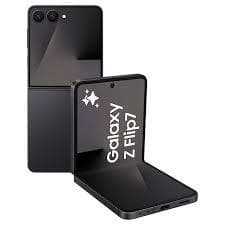
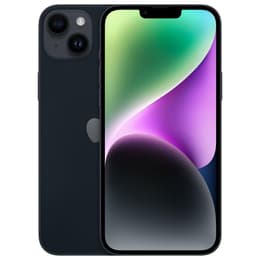
The Samsung Galaxy Z Flip7 (2025) and the Apple iPhone 14 Plus (2022) represent two distinct approaches to large-screen smartphone design. While the Galaxy Z Flip7 features a foldable clamshell form factor with a compact footprint when closed, the iPhone 14 Plus opts for a traditional, rigid slate build with an expansive fixed display. These devices operate on different software ecosystems, utilizing Android and iOS respectively, and cater to users seeking unique physical designs paired with large viewing areas.

Available Models

Colour

Storage

Scores

Durability

When evaluating structural longevity and software support, both devices handle multi-year ownership differently due to their release timelines and mechanical designs.

  • Software Support: The Galaxy Z Flip7 benefits from a later release year, ensuring extended operating system updates, whereas the iPhone 14 Plus operates on a mature software schedule with a shorter remaining window for major feature updates.
  • Build and Repairability: The iPhone 14 Plus relies on a rigid aluminum and glass construction that scores standard marks for physical durability, while the Galaxy Z Flip7 features a folding display mechanism that requires careful handling over years of frequent opening and closing.
  • Expected Lifespan: Both models maintain strong daily usability over time, though users who prefer traditional rigid frames often experience fewer mechanical wear concerns than owners of folding screens.

Year of Release

2025

2022

Compatible with latest Update

Yes

Yes

OS

Android

iOS

Foldable

Yes

No

Performance

Underneath their exteriors, these smartphones deliver dependable daily processing power through distinct hardware configurations tailored to multitasking and media handling.

  • System Responsiveness: Both devices handle everyday tasks such as web browsing, social media feeds, and split-screen multitasking smoothly without noticeable stutter.
  • Gaming and Heavy Apps: Demanding mobile games and resource-intensive applications load quickly, maintaining stable frame rates during extended usage sessions.
  • Battery Behavior: The iPhone 14 Plus utilizes its large physical frame to house a high-capacity battery that easily sustains a full day of mixed use, while the Galaxy Z Flip7 balances a compact folding chassis with power management to get most users through a standard day before requiring a recharge.

Screen quality

Visual output differs significantly between the foldable panel of the Samsung device and the traditional fixed display of the Apple handset.

  • Display Technology: The Galaxy Z Flip7 features a foldable OLED main screen paired with a functional outer cover display, while the iPhone 14 Plus provides a large, flat OLED panel with consistent brightness across the entire viewing area.
  • Outdoor Visibility: Both screens reach high peak brightness levels, ensuring clear legibility and sharp text reproduction even under direct sunlight.
  • Refresh Rate: The Galaxy Z Flip7 supports a smooth 120Hz refresh rate for fluid scrolling, whereas the iPhone 14 Plus utilizes a standard 60Hz refresh rate for everyday navigation.

Resolution

1080x2520

1284 x 2778

Audiovisual

Multimedia capture and audio playback capabilities reflect each manufacturer's approach to everyday photography and entertainment.

  • Camera Systems: Both phones feature dual rear camera setups capable of capturing sharp everyday photos, detailed low-light shots, and stable high-definition video recordings.
  • Audio Output: Stereo speaker setups on both models deliver clear sound reproduction suitable for hands-free calls, casual video viewing, and listening to podcasts.
  • Media Consumption: The iPhone 14 Plus offers an uninterrupted flat screen for watching videos, while the Galaxy Z Flip7 allows unique propped-up viewing angles when partially folded on flat surfaces.

Main camera

50 megapixels

12 megapixels

Front camera

10 megapixels

12 megapixels

Miscellaneous

Practical everyday features such as connectivity standards, physical dimensions, and security options define the daily handling experience of each device.

  • Connectivity and Ports: The Galaxy Z Flip7 uses a reversible USB-C port alongside modern wireless standards, while the iPhone 14 Plus relies on a Lightning connector and established wireless connectivity protocols.
  • Biometric Security: Samsung incorporates a side-mounted fingerprint scanner alongside facial recognition, whereas Apple utilizes Face ID for secure authentication.
  • Physical Handling: The iPhone 14 Plus maintains a wide, rigid profile in the hand, contrasted by the Galaxy Z Flip7 which folds neatly in half to take up less space in pockets or small bags.

Weight

188 g

203 g

Screen size (in)

6.9

6.7

Network

5G

5G

SIM card

Physical SIM + eSIM

Physical SIM + eSIM

Carrier compatibility

Unlocked

Unlocked

Connector

USB-C

Lightning

What the community thinks

User feedback highlights distinct preferences for each device across community forums. Owners of the iPhone 14 Plus frequently praise its dependable battery longevity, simple operating system, and large, unblemished screen space for media viewing. Conversely, users of the Galaxy Z Flip7 highlight the convenience of its compact folding form factor, the utility of the outer cover screen for quick notifications, and the fluid display refresh rate.

Users prioritizing pocket-friendly dimensions and modern folding versatility may prefer the Galaxy Z Flip7, while users prioritizing a traditional rigid build and consistent battery longevity may lean toward the iPhone 14 Plus. For buyers interested in an eco-friendly, quality-assured alternative, exploring a quality-assured refurbished option provides a sustainable path to acquiring either device. Ultimately, the choice depends on whether a folding design or a traditional smartphone format best fits daily routines.