

Galaxy S25 Ultra Vs iPhone 17

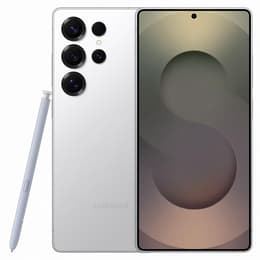
Galaxy S25 Ultra
Galaxy S25 Ultra
Starting at

Refurbished price:735.00

Versus €1,408.78 new

See options
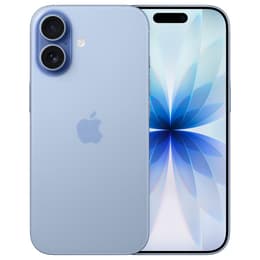
iPhone 17
iPhone 17
Starting at

Refurbished price:700.00

Versus €979.00 new

See options

Ratings

The Samsung Galaxy S25 Ultra, released in early 2025, and the Apple iPhone 17, launched in late 2025, represent the latest flagship smartphones from their respective manufacturers. While both devices offer premium experiences, they cater to different user preferences through their distinct operating systems and hardware philosophies. The Galaxy S25 Ultra emphasizes a versatile camera system and a large display, whereas the iPhone 17 focuses on a refined user experience and robust performance.

Scores

Durability

When considering the long-term usability of these devices, both the Galaxy S25 Ultra and the iPhone 17 offer substantial software support and physical durability features.

  • Release Timeline and Software Support: The Galaxy S25 Ultra, having been released in February 2025, runs on Android 15 and is expected to receive several years of major OS updates, typically extending to four or five generations of Android. The iPhone 17, released in September 2025 with iOS 26, generally benefits from a longer software support window, often receiving updates for five to six years or more, potentially offering a slightly extended practical lifespan in terms of software.
  • Physical Durability: The Galaxy S25 Ultra features Corning Gorilla Glass Armor 2 for screen protection, designed to enhance resistance against scratches and drops. The iPhone 17 incorporates Ceramic Shield 2, which Apple states offers improved scratch resistance compared to previous generations. Both devices carry an IP68 rating for water and dust resistance, indicating protection against immersion.
  • Repairability: Independent assessments indicate that the iPhone 17 (specifically the 17e model, which shares design principles) generally achieves a higher repairability score, around 7 out of 10, partly due to its design allowing for easier access to some internal components. The Galaxy S25 Ultra has shown improvements in repairability compared to older Samsung models, earning a score of 5 out of 10, with notable advancements in battery access. However, screen repairs on the S25 Ultra can be challenging.

Year of Release

2025

2025

Compatible with latest Update

Yes

Yes

OS

Android

iOS

Foldable

No

No

Performance

Both the Galaxy S25 Ultra and the iPhone 17 are equipped with advanced internal components designed to handle demanding tasks and ensure smooth operation.

  • Processing Power: The Galaxy S25 Ultra is powered by a current-generation octa-core processor, enabling it to manage intensive applications, complex multitasking, and high-fidelity gaming with efficiency. The iPhone 17 features Apple's latest chip, which provides robust performance for everyday use, graphic-intensive games, and advanced computational tasks, ensuring a responsive user experience.
  • Multitasking and Storage: The Galaxy S25 Ultra offers configurations with 12GB or 16GB of RAM, supporting extensive multitasking and quick switching between numerous applications without slowdowns. It comes with storage options up to 1TB. The iPhone 17 typically includes 8GB of RAM, which, combined with its optimized operating system, allows for efficient multitasking and smooth performance. Storage options for the iPhone 17 go up to 512GB.
  • Battery Behavior: The Galaxy S25 Ultra houses a 5000 mAh battery, providing ample power for a full day of heavy use, with some users reporting it can extend into a second day. The iPhone 17, while having a smaller battery capacity, demonstrates efficient power management, with tests showing improved longevity over its predecessor. In some simulated usage tests, the iPhone 17 Pro Max (a variant of the 17 series) showed longer battery life compared to the Galaxy S25 Ultra.

Memory (GB)

12 GB

8 GB

Screen quality

The visual experience on both the Galaxy S25 Ultra and the iPhone 17 is characterized by high-quality displays, though with some differences in their specifications and presentation.

  • Display Technology and Size: The Galaxy S25 Ultra features a large 6.9-inch Dynamic AMOLED 2X display, offering deep blacks, vibrant colors, and excellent contrast. The iPhone 17 comes with a 6.3-inch Super Retina XDR OLED display, known for its color accuracy and clarity. The larger screen on the S25 Ultra provides more expansive viewing for media and productivity.
  • Resolution and Brightness: Both devices offer high resolutions, with the S25 Ultra featuring a QHD+ (3120x1440px) display and the iPhone 17 a 2622x1206 resolution, resulting in sharp images and text. The iPhone 17 boasts a peak outdoor brightness of 3000 nits, making content highly visible even in direct sunlight. The Galaxy S25 Ultra also offers impressive brightness, reaching 2600 nits peak, ensuring good outdoor visibility.
  • Refresh Rate and Features: Both phones incorporate adaptive refresh rate technology, with the Galaxy S25 Ultra offering a 1-120Hz LTPO panel and the iPhone 17 featuring ProMotion technology with adaptive refresh rates up to 120Hz. This ensures smooth scrolling and responsive interactions. The iPhone 17 also includes the Dynamic Island and Always-On display functionality. The S25 Ultra includes ProScaler AI upscaling for enhanced content viewing.

Resolution

1080 x 2340 pixels

2622x1206

Audiovisual

Both the Galaxy S25 Ultra and the iPhone 17 offer advanced camera systems, each with distinct strengths for capturing photos and videos.

  • Rear Camera System: The Galaxy S25 Ultra features a versatile quad-camera setup, including a 200MP main sensor, a 50MP ultrawide lens, a 50MP telephoto lens with 5x optical zoom, and a 10MP telephoto lens with 3x optical zoom. This configuration provides extensive zoom capabilities and high-resolution imaging. The iPhone 17 is equipped with a dual-camera system, featuring a 48MP main camera and a 48MP ultrawide camera. The main camera on the iPhone 17 can also achieve a 2x optical-quality telephoto effect through sensor cropping.
  • Photography Performance: The S25 Ultra is praised for its excellent detail and natural colors in daylight, strong zoom performance, and very good night photography with reliable stabilization. Its ultrawide camera has seen a resolution boost. The iPhone 17 delivers detailed shots with pleasing colors and good exposures, even in low light, and its ultrawide camera offers improved detail.
  • Video and Audio: The Galaxy S25 Ultra supports 8K video recording at 30 frames per second and offers good video stabilization. It also captures video in 10-bit HDR by default. The iPhone 17 provides smooth video recording and an upgraded 18MP front camera with a square sensor and Center Stage, enhancing selfie and video call experiences. Both devices offer quality microphone performance for calls and recording.

Front camera

8K@24/30fps

18 megapixels

Miscellaneous

Beyond core performance, several practical elements differentiate the user experience of the Galaxy S25 Ultra and the iPhone 17.

  • Connectivity and Ports: Both smartphones support 5G connectivity and the latest Wi-Fi 7 standard, ensuring fast wireless data transfer. They also feature Bluetooth 5.4 for efficient accessory pairing. Both devices utilize a USB-C port for charging and data transfer. The S25 Ultra's USB-C 3.2 port also supports DisplayPort 1.2 and OTG, allowing for external display output and peripheral connections.
  • Sensors and Biometrics: The Galaxy S25 Ultra includes an ultrasonic in-screen fingerprint sensor for secure and convenient unlocking. The iPhone 17 relies on Face ID for biometric authentication. Both devices offer a range of essential sensors for navigation and user interaction.
  • Design and Handling: The Galaxy S25 Ultra has a larger form factor, measuring 162.8 x 77.6 x 8.2 mm and weighing 218 grams, which might appeal to users who prefer a more expansive screen and a substantial feel. The iPhone 17 is more compact at 149.6 × 71.5 × 7.95 mm and lighter at 177 grams, offering easier one-handed use. A key differentiator for the S25 Ultra is the integrated S Pen stylus, providing precise input for notes, drawing, and navigation.

Weight

2 g

177 g

Screen size (in)

6.9

6.3

Network

5G

5G

SIM card

Physical SIM + eSIM

eSIM

Carrier compatibility

Unlocked

Unlocked

Connector

USB-C

USB-C

The Samsung Galaxy S25 Ultra and the iPhone 17 each present a compelling package, tailored to different user priorities. The Galaxy S25 Ultra is frequently praised for its expansive and vibrant display, its highly versatile camera system with extensive zoom capabilities, and the unique productivity features offered by the integrated S Pen. Users often highlight its robust performance for demanding applications and its long-lasting battery. Some criticisms occasionally point to its larger size, which might not suit all hand sizes, and its repairability score, while improved, still trails some competitors.

The iPhone 17 garners acclaim for its refined user experience, the seamless integration of its operating system, and its powerful processing capabilities that ensure smooth performance across all tasks. Its display is noted for exceptional brightness and clarity, and the camera system, particularly the upgraded front camera, receives positive feedback for its quality and innovative features. Users appreciate its more compact design and generally higher repairability score. Some common feedback might suggest that while its camera is excellent, it offers less optical zoom versatility compared to the S25 Ultra.

Users prioritizing a large display, advanced optical zoom photography, and stylus functionality will find the Galaxy S25 Ultra well-suited to their needs. Conversely, those who value a highly optimized software experience, a brighter display, a more compact form factor, and a generally higher repairability score may lean towards the iPhone 17. Both devices are available as quality-assured refurbished options, providing an eco-friendly alternative for consumers seeking premium technology with a reduced environmental footprint.


See all articles

Our recent comparisons