
iPhone

Compare models
Differences at a glance
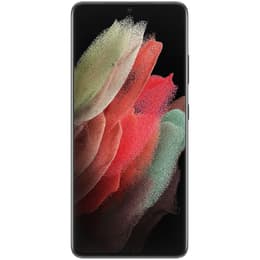
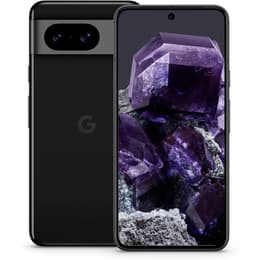
The Samsung Galaxy S21 Ultra 5G (2021) and the Google Pixel 8 (2023) are both flagship Android smartphones, though they were released with a significant gap of almost three years between them. The Galaxy S21 Ultra arrived as a premium offering from Samsung, focusing on a versatile camera system and a large, high-resolution display, while the Pixel 8, a more recent device from Google, emphasizes advanced computational photography and long-term software support. Both operate on the Android platform, but their core philosophies and hardware age present distinct differences.
Colour
Storage
When considering the longevity of these devices, their respective release dates and software support policies are key.
Year of Release
Compatible with latest Update
OS
Foldable
The performance capabilities of these smartphones reflect their respective generations, impacting overall speed and handling of demanding applications.
Both smartphones offer high-quality displays, but with differences in size, resolution, and brightness that affect the viewing experience.
Resolution
Screen type
The camera systems on both devices are a major selling point, though they approach photography with different hardware configurations and processing strengths.
Main camera
Front camera
Beyond the core components, several practical elements contribute to the overall user experience and differentiate these devices.
Weight
Screen size (in)
Network
SIM card
Carrier compatibility
Choosing between the Samsung Galaxy S21 Ultra 5G and the Google Pixel 8 involves weighing a desire for advanced camera hardware and a larger display against long-term software support and a more compact, modern processor.
For those who prioritize a highly versatile camera system with dedicated optical zoom at multiple focal lengths, a large, high-resolution display, and S-Pen support for productivity, the Galaxy S21 Ultra remains a compelling choice. Users in creative fields, or those who frequently photograph distant subjects, may find its extensive camera hardware particularly appealing.
Conversely, the Google Pixel 8 is better suited for users who value a more compact form factor, the absolute longest software support available on an Android device (extending into 2030), and Google's cutting-edge AI-driven camera features and software experience. It appeals to those who prefer a streamlined Android experience and consistent updates. Public sentiment on the Pixel 8's battery life is mixed, with some users reporting good longevity and others finding it average depending on usage patterns.
For consumers evaluating these devices, especially the older Galaxy S21 Ultra, opting for a quality-assured refurbished option can provide an eco-friendly alternative, allowing access to premium features while extending the device's lifespan and making a sustainable choice. Ultimately, the decision hinges on whether a comprehensive hardware-focused experience or a long-supported, AI-enhanced software-focused experience aligns best with individual needs.