
iPhone

Compare models
Differences at a glance
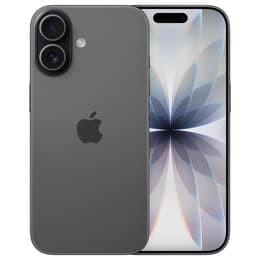
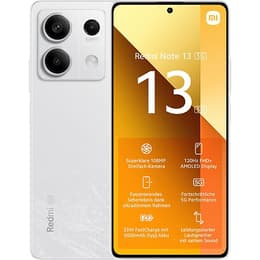
The iPhone 17, released in September 2025, and the Xiaomi Redmi Note 13, launched globally in January 2024, represent distinct approaches to smartphone design and functionality. While the iPhone 17 operates on Apple's iOS 26, the Redmi Note 13 runs on Android 13 with MIUI 14. Key differentiators between these two devices include their core processing capabilities, display technologies, and camera system philosophies, catering to different user priorities.
Colour
Storage
When considering the long-term usability of a smartphone, factors like software support and physical resilience are important. The iPhone 17, being an Apple device, is expected to receive operating system updates for an extended period, typically around five to six years from its release. This provides a longer window for accessing new features and security enhancements.
Year of Release
Compatible with latest Update
OS
Foldable
The performance of a smartphone is largely determined by its internal components, influencing how smoothly applications run and how efficiently it handles demanding tasks. Both devices offer capable performance within their respective ecosystems.
The display is a primary interface for any smartphone, and both the iPhone 17 and Redmi Note 13 offer vibrant viewing experiences, though with differing characteristics.
Resolution
Screen type
Camera capabilities are a significant consideration for many users, and both devices aim to deliver quality imaging and audio experiences, albeit with different strengths.
Main camera
Front camera
Beyond the core features, several practical elements contribute to the overall user experience and daily convenience of a smartphone.
Weight
Screen size (in)
Network
SIM card
Carrier compatibility
Connector
User feedback for the Xiaomi Redmi Note 13 often highlights its vibrant AMOLED display, reliable performance for everyday use, and solid battery life as praise points. Some common criticisms include the video recording quality, which is limited to 1080p at 30fps and can lack stabilization, and the performance of the ultra-wide and macro cameras in low-light conditions. Users generally agree that the main 108MP camera performs well in good lighting.
For the iPhone 17, expectations and early reviews often praise its significant display upgrades, including the 120Hz refresh rate and high peak brightness, along with its enhanced camera system and the powerful A19 chip for smooth performance. Potential concerns might revolve around its more compact screen size compared to some Android counterparts, and the continued reliance on Face ID as the sole biometric authentication method. The extended software support is consistently seen as a major advantage.
Users prioritizing a compact device with a highly optimized operating system, long-term software support, and advanced computational photography capabilities may find the iPhone 17 well-suited to their needs. Its robust performance and display quality are designed for a premium user experience. Conversely, users who prefer a larger display, expandable storage, and a 3.5mm headphone jack, along with a capable camera system for well-lit conditions, may lean toward the Xiaomi Redmi Note 13. It offers a comprehensive feature set for general use and media consumption. Both devices, when considered as quality-assured refurbished options, provide an eco-friendly alternative for consumers looking to make informed purchasing decisions.