
iPhone

Compare models
Differences at a glance
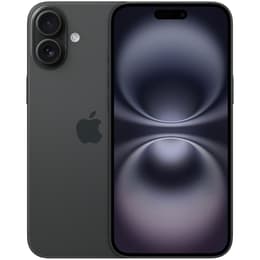
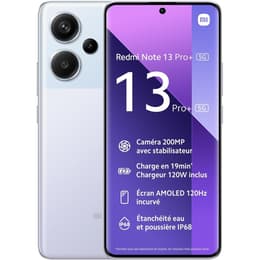
The iPhone 16 Plus, an anticipated smartphone from Apple expected in late 2026, and the Xiaomi Redmi Note 13 Pro+ 5G, released in early 2024, represent distinct approaches to smartphone design and functionality. While both devices aim to deliver a comprehensive mobile experience, they cater to different user preferences through their operating systems, hardware philosophies, and feature sets. The iPhone 16 Plus is expected to run on Apple's iOS, known for its integrated ecosystem and user-friendly interface, while the Redmi Note 13 Pro+ operates on Android, customized with Xiaomi's HyperOS, offering extensive customization options.
Colour
Storage
When considering the long-term usability of these devices, several factors come into play, including their release timelines, software support, and physical durability. The iPhone 16 Plus, being a newer device with an anticipated 2026 release, is expected to benefit from a longer period of software updates from Apple, typically extending for five to six years from its launch. This extended support ensures access to the latest features, security patches, and operating system enhancements for a considerable duration.
Year of Release
Compatible with latest Update
Foldable
Performance is a critical aspect for any modern smartphone, influencing everything from app responsiveness to gaming capabilities. The iPhone 16 Plus is anticipated to house Apple's latest generation processor, designed for efficient handling of demanding applications and advanced AI features. The Xiaomi Redmi Note 13 Pro+ 5G, on the other hand, is powered by the MediaTek Dimensity 7200-Ultra, a capable processor for its segment.
The display is a primary interface for smartphone interaction, and both the iPhone 16 Plus and the Redmi Note 13 Pro+ 5G offer vibrant viewing experiences, though with some key differences in technology and features.
Resolution
Screen type
Photography and videography capabilities are often a deciding factor for smartphone users, and both the iPhone 16 Plus and the Redmi Note 13 Pro+ 5G offer compelling camera systems, albeit with different strengths.
Main camera
Front camera
Beyond core performance and display, practical features like connectivity, physical design, and additional sensors contribute significantly to the overall user experience. Both smartphones offer a range of modern conveniences.
Weight
Screen size (in)
Network
SIM card
Carrier compatibility
Connector
Choosing between the anticipated iPhone 16 Plus and the Xiaomi Redmi Note 13 Pro+ 5G involves weighing different priorities. The Redmi Note 13 Pro+ 5G has been praised by users for its vibrant 120Hz AMOLED display, exceptionally fast 120W charging, and its high-resolution 200MP main camera, which offers impressive detail and in-sensor zoom capabilities. Some users, however, have noted that despite its large battery, its battery life in active use can be average compared to some competitors, and the 2MP macro camera is often considered less useful.
The iPhone 16 Plus, while not yet released, is expected to build on Apple's strengths, offering a highly optimized iOS experience, a powerful new processor with advanced AI capabilities, and a robust ecosystem. Users often appreciate the long-term software support and consistent performance of Apple devices. Potential criticisms might revolve around the anticipated 60Hz refresh rate, which some users might find less fluid compared to higher refresh rate displays on other devices.
Users prioritizing a high refresh rate display, extremely fast charging, and a camera with a very high megapixel count and versatile zoom options may find the Xiaomi Redmi Note 13 Pro+ 5G well-suited to their needs. Conversely, users who value a long software support window, a highly integrated ecosystem, and a focus on computational photography and AI enhancements will likely lean towards the iPhone 16 Plus. Both devices offer strong durability features, making them reliable choices. For those looking for an eco-friendly alternative, quality-assured refurbished options for both models will eventually become available, providing a sustainable choice for acquiring these advanced smartphones.