

Compare models
Galaxy S24+ Vs Galaxy S26 Ultra
- 1-year minimum warranty
- Free delivery on all orders
- Free 30-day returns
Differences at a glance
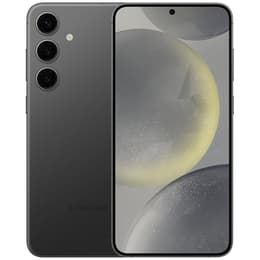
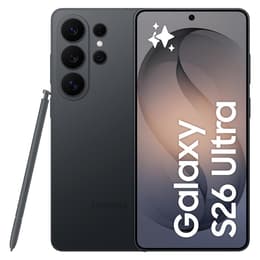
The Samsung Galaxy S24+ (2024) and the Samsung Galaxy S26 Ultra (2026) represent two distinct tiers within Samsung's large-screen smartphone lineup. While the Galaxy S24+ focuses on delivering balanced flagship hardware in a lighter form factor, the Galaxy S26 Ultra serves as a top-tier powerhouse featuring an expanded display, integrated stylus support, and a more advanced camera array. Operating on Android with Samsung's custom interface, both devices offer modern software experiences while catering to different user preferences regarding capability and size.
Available Models
Colour
Storage
Scores
Durability
When evaluating structural longevity and software support, both smartphones offer extended update lifelines though they enter the market from different launch years.
- Software Support Timeline: Both devices benefit from long-term operating system updates and security patches, with the Galaxy S26 Ultra extending its active support window further into the future due to its newer release year.
- Build Durability: Each model utilizes robust glass and metal frames equipped with high-grade water and dust resistance, ensuring they withstand routine daily environmental exposure.
- Repairability and Lifespan: Component availability and modular interior designs allow for straightforward repairs through quality-assured refurbished options, helping extend the practical usability of both devices over several years.
Year of Release
2024
2026
Compatible with latest Update
Yes
Yes
OS
Android
Android
Foldable
No
No
Performance
Under everyday workloads, both models handle demanding applications, multitasking, and system navigation smoothly, though they utilize different generations of internal processing hardware.
- System Responsiveness: The Galaxy S26 Ultra features a newer processor architecture that handles heavy mobile gaming and intensive multi-app workflows with greater thermal efficiency, while the Galaxy S24+ remains entirely capable for standard daily tasks and media consumption.
- Memory and Storage: Generous baseline random access memory configurations on both devices ensure seamless app switching, accompanied by ample internal storage options for large media libraries.
- Battery Behavior: The Galaxy S26 Ultra pairs a slightly larger physical battery capacity with advanced power management to sustain long periods of heavy use, whereas the Galaxy S24+ delivers reliable all-day battery life for typical usage patterns.
Screen quality
Visual output differs notably in physical dimensions and panel technology, impacting media consumption and outdoor usability.
- Display Technology: Both models feature vibrant OLED panels with deep contrast levels and sharp resolutions, though the Galaxy S26 Ultra offers a slightly larger canvas suited for productivity and split-screen tasks.
- Outdoor Brightness: High peak luminance capabilities on both screens ensure content remains legible under direct sunlight or bright ambient lighting conditions.
- Refresh Rate Dynamics: Smooth adaptive refresh rates scale down during static viewing to conserve power and ramp up during scrolling or gaming for fluid motion.
Resolution
1440 x 3120
1440 x 3120
Audiovisual
Optics and media capture capabilities vary to accommodate casual photography as well as advanced telephoto requirements.
- Camera System Versatility: The Galaxy S24+ provides a dependable triple-lens setup covering standard wide, ultra-wide, and optical zoom needs, while the Galaxy S26 Ultra adds a quad-lens array featuring expanded telephoto reach for distant subjects.
- Low-Light Performance: Advanced image processing sensors on both phones capture clear details and controlled noise levels in dim environments.
- Video and Audio: High-resolution video recording modes, steady stabilization features, and clear microphone arrays make both devices well-suited for recording crisp clips and handling voice calls.
Front camera
12 megapixels
12.0
Miscellaneous
Physical handling characteristics and connectivity standards define the day-to-day user experience of each device.
- Size and Weight: The Galaxy S24+ is lighter and narrower, making it easier to hold with one hand, whereas the Galaxy S26 Ultra has a wider footprint and heavier build to accommodate its larger screen and integrated stylus.
- Connectivity: Modern 5G compatibility, Wi-Fi standards, and Bluetooth protocols ensure fast wireless connections and accessory pairing across both models.
- Security and Ports: Reliable biometric authentication through under-display fingerprint sensors and facial recognition complement standard USB-C charging and data transfer ports.
Weight
197 g
214 g
Screen size (in)
6.7
6.9
Network
5G
5G
SIM card
Dual Physical SIM + eSIM
Physical SIM + eSIM
Carrier compatibility
Unlocked
Unlocked
Connector
USB-C
USB-C
What the community thinks
User discussions and community feedback highlight distinct preferences for each device based on practical everyday needs. Owners of the Galaxy S24+ frequently praise its comfortable ergonomics, manageable weight, and balanced performance that handles routine tasks without excess bulk. Conversely, users gravitate toward the Galaxy S26 Ultra for its expansive screen real estate, versatile multi-lens camera system, and the added productivity utility of the built-in stylus. Common discussions sometimes note that the larger Ultra model can feel cumbersome in smaller pockets, while the S24+ lacks the specialized long-range zoom capabilities of its sibling.
Users prioritizing a lightweight form factor and straightforward smartphone essentials will find the Galaxy S24+ well-suited to their daily routines. Meanwhile, users prioritizing maximum screen space, advanced camera flexibility, and stylus productivity may lean toward the Galaxy S26 Ultra. Selecting either model as an eco-friendly, quality-assured refurbished option provides access to premium mobile technology while supporting sustainable consumption choices. Ultimately, the decision depends on whether ergonomic comfort or maximum hardware versatility aligns closer with individual usage habits.