
Compare models
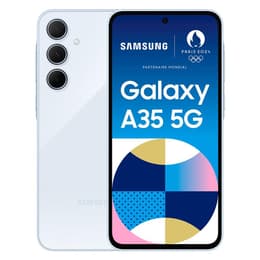
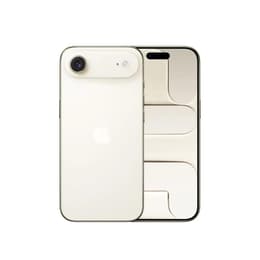
Galaxy A35 Vs iPhone Air
- 1-year minimum warranty
- Free delivery on all orders
- Free 30-day returns
Differences at a glance
The Samsung Galaxy A35 (2024) and the Apple iPhone Air (2025) represent two distinct approaches to modern smartphone design, targeting very different user expectations across Android and iOS ecosystems. While the Galaxy A35 focuses on balanced daily essentials, the iPhone Air prioritizes an ultra-slim profile and advanced processing capabilities within a lightweight titanium frame. These devices operate on different software platforms, with the Galaxy A35 running Android and the iPhone Air utilizing iOS.
Available Models
Colour
Storage
Scores
Durability
When examining longevity and structural upkeep, both devices provide robust long-term software support frameworks alongside different physical characteristics.
- Software support duration: The Galaxy A35 receives several years of security patches and Android version upgrades, whereas the iPhone Air benefits from Apple's extended iOS update lifecycle due to its more recent release year.
- Repairability and build: Both models feature water resistance ratings and glass protection layers, though professional service options and part availability vary between the two operating system ecosystems.
- Expected practical lifespan: Each device maintains sufficient internal headroom for standard daily demands over multiple years of typical ownership.
Year of Release
2024
2025
Performance
System responsiveness and power handling differ significantly based on internal hardware architecture and memory allocation between the two smartphones.
- Multitasking and memory: The iPhone Air handles intensive background processes and heavy multitasking smoothly with its large RAM capacity, while the Galaxy A35 adequately manages everyday apps, web browsing, and moderate task switching.
- Storage configurations: Both handsets offer ample internal storage tiers for media files and applications, though only the Galaxy A35 includes expandable storage support via a memory card slot.
- Battery behavior: The Galaxy A35 features a high-capacity battery designed to comfortably stretch through a full day of standard use, whereas the slimmer body of the iPhone Air houses a smaller battery that may require more frequent charging for heavy users.
Screen quality
Visual output relies on distinct display panels that deliver clear imagery and smooth motion handling for daily media consumption.
- Display technology: Both devices utilize vibrant OLED panels offering deep contrast levels, sharp resolutions, and high peak brightness for clear outdoor visibility.
- Refresh rate and smoothness: Each model supports a rapid refresh rate that ensures fluid scrolling through menus, web pages, and supported applications.
- Viewing dimensions: The Galaxy A35 provides a broad viewing area, while the iPhone Air balances a slightly different screen diagonal within a remarkably thin chassis.
Audiovisual
Photography and audio capabilities vary, reflecting different hardware layouts implemented by each manufacturer.
- Camera systems: The Galaxy A35 features a versatile multi-lens rear array including ultra-wide and macro options, whereas the iPhone Air employs a single high-resolution primary camera system backed by advanced computational image processing.
- Video and low-light performance: Both smartphones capture detailed video footage with stabilization features and handle low-light environments effectively through automated software adjustments.
- Audio output: Each device incorporates built-in stereo or optimized speaker configurations suitable for casual media playback, video calls, and hands-free communication.
Miscellaneous
Physical dimensions, connectivity standards, and daily usability features define the practical handling of each smartphone.
- Handling and weight: The iPhone Air emphasizes an exceptionally thin profile and light titanium build for effortless pocketability, while the Galaxy A35 offers a slightly heavier, traditional frame.
- Connectivity options: Both models support current-generation mobile networks, rapid Wi-Fi standards, and modern Bluetooth protocols for reliable accessory pairing.
- Authentication and ports: The Galaxy A35 uses an under-display fingerprint sensor alongside facial recognition, whereas the iPhone Air relies exclusively on biometric facial scanning. Both utilize standard reversible charging ports.
Screen size (in)
6.6
6.5
Network
5G
5G
SIM card
Dual Physical SIM
eSIM
Carrier compatibility
Unlocked
Unlocked
Connector
USB-C
USB-C
What the community thinks
Deciding between the Samsung Galaxy A35 and the Apple iPhone Air depends largely on preferred software ecosystems and physical design priorities. Users prioritizing an ultra-thin, lightweight form factor alongside powerful processing capabilities will find the iPhone Air well-suited to their daily routines. Conversely, users seeking expanded storage flexibility and a reliable battery life profile within a traditional mid-range structure may lean toward the Galaxy A35.
For those mindful of environmental impact, choosing a quality-assured refurbished option provides a sustainable choice that extends the active lifecycle of consumer electronics. Evaluating these core differentiators ensures an informed decision that matches individual lifestyle needs without unnecessary complexity.