

Compare models
Galaxy A15 5G Vs Galaxy S25 Edge
- 1-year minimum warranty
- Free delivery on all orders
- Free 30-day returns
Differences at a glance
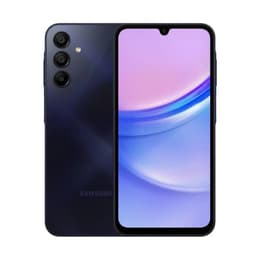
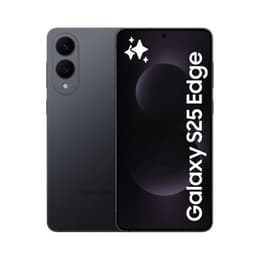
The Samsung Galaxy A15 5G (2023) and the Samsung Galaxy S25 Edge (2025) represent two very different approaches to modern mobile technology within Samsung's extensive smartphone lineup. While the Galaxy A15 5G focuses on providing accessible connectivity and dependable everyday utility, the Galaxy S25 Edge targets users seeking advanced hardware, high-end visual fidelity, and an ultra-slim profile. Both devices run on the Android operating system with Samsung's custom interface, though they differ significantly in hardware capability and release timing.
Available Models
Colour
Storage (GB)
Scores
Durability
When examining hardware longevity and software support, both models provide dependable update paths while differing in their respective release timelines and anticipated update cycles.
- Software Support: The Galaxy A15 5G includes multiple generations of operating system upgrades, whereas the newer Galaxy S25 Edge extends support further into the future with an extended timeline of major software updates.
- Build and Repairability: The Galaxy A15 5G utilizes a durable plastic housing with a conventional structure, while the Galaxy S25 Edge incorporates refined glass and metal construction alongside a remarkably slim chassis.
- Expected Lifespan: Both devices maintain steady software health, but users looking for a quality-assured refurbished option from sustainable channels will find both models retain solid structural and operational integrity over years of regular use.
Year of Release
2023
2025
OS
Android
Android
Foldable
No
No
Performance
Day-to-day operation and system responsiveness vary between the two models due to differences in internal hardware capabilities and memory configurations.
- Everyday Responsiveness: The Galaxy A15 5G handles standard messaging, web browsing, and media streaming smoothly, while the Galaxy S25 Edge manages intensive multitasking, demanding applications, and high-end gaming with seamless speed.
- Memory and Storage: The Galaxy A15 5G offers expandable storage via a memory card slot alongside standard configurations, while the Galaxy S25 Edge provides larger fixed internal storage capacities paired with high-speed memory reserves.
- Battery Behavior: The Galaxy A15 5G features a large capacity power cell suited for extended daily use between charges, whereas the slimmer Galaxy S25 Edge utilizes a moderately smaller battery balanced by power-efficient processing architecture.
Screen quality
Viewing experiences differ notably across the two displays, balancing refresh rates, panel technologies, and peak brightness levels.
- Display Technology: The Galaxy A15 5G features a vibrant Super AMOLED screen with clear contrast, while the Galaxy S25 Edge employs an advanced adaptive refresh rate OLED panel that scales dynamically for smoother scrolling.
- Resolution and Clarity: The Galaxy A15 5G offers a sharp high-definition resolution suitable for daily media consumption, whereas the Galaxy S25 Edge steps up to a higher pixel density for exceptional text crispness and image detail.
- Outdoor Visibility: Both panels maintain strong brightness performance under direct sunlight, ensuring comfortable readability during outdoor navigation and messaging.
Resolution
1080 x 2340
1440x3120
Audiovisual
Photography and media capture capabilities span multiple sensor configurations designed for various shooting scenarios.
- Camera Systems: The Galaxy A15 5G is equipped with a versatile multi-lens rear setup for standard and wide shots, while the Galaxy S25 Edge features a high-resolution primary sensor paired with a wide-angle companion lens for enhanced detail capture.
- Low-Light and Video: The Galaxy S25 Edge benefits from advanced image processing algorithms for clear low-light photography and stable video recording, whereas the Galaxy A15 5G handles casual daylight snapshots and standard-definition video reliably.
- Audio and Media Output: Both devices deliver clear sound for voice calls and media playback, with the Galaxy S25 Edge offering a more immersive spatial output for entertainment.
Miscellaneous
Practical physical traits, connectivity standards, and daily usability features define the outer build of each smartphone.
- Connectivity and Ports: Both models support modern fifth-generation cellular networks and fast wireless standards, utilizing standard USB-C ports for charging and data transfer.
- Security and Sensors: Both devices integrate responsive fingerprint recognition sensors for quick unlocking alongside facial recognition capabilities.
- Dimensions and Handling: The Galaxy A15 5G features a slightly heavier and thicker profile that offers a secure grasp, whereas the Galaxy S25 Edge focuses on an exceptionally thin and lightweight form factor for effortless pocketability.
Weight
200 g
163 g
Screen size (in)
6.5
6.7
Network
5G
5G
SIM card
Dual Physical SIM
Dual Physical SIM + eSIM
Carrier compatibility
Unlocked
Unlocked
What the community thinks
User feedback from online communities highlights distinct advantages for each smartphone. Owners of the Galaxy A15 5G frequently praise its dependable battery longevity, expandable storage flexibility, and straightforward everyday reliability. Conversely, users of the Galaxy S25 Edge frequently commend its remarkably slim build, fluid display motion, and rapid processing speeds for demanding workloads. At the same time, some users note that the ultra-thin design of the S25 Edge limits physical battery capacity compared to bulkier alternatives, while the A15 5G receives occasional remarks regarding its more modest loading speeds during heavy multitasking.
Users prioritizing long-lasting battery capacity, expandable storage, and straightforward everyday tasks will find the Galaxy A15 5G well-suited to their needs. Meanwhile, users prioritizing a lightweight form factor, high-end display fluidity, and top-tier processing performance may lean toward the Galaxy S25 Edge. Choosing between these devices depends entirely on individual daily workflows and hardware preferences. Exploring sustainable, quality-assured refurbished versions of these models provides an eco-friendly alternative for conscious consumers looking to make practical technology choices.