

Compare models

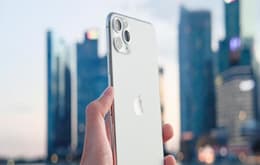
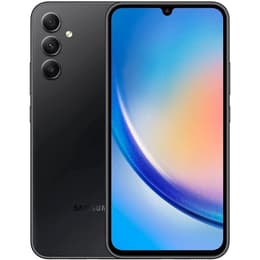
Galaxy A34 Vs iPhone Air

  • 1-year minimum warranty
  • Free delivery on all orders
  • Free 30-day returns
Galaxy A34
Starting at

Refurbished price:€150.00

Versus €399.00 new

See options
iPhone Air
Starting at

Refurbished price:€717.00

Versus €1,339.00 new

See options

Differences at a glance

The Samsung Galaxy A34 (2023) and the iPhone Air (2025) represent two distinct approaches to modern smartphone design, targeting different eras and device philosophies. The Galaxy A34 is an Android-based mid-range device focused on reliable everyday features, while the iPhone Air is a contemporary iOS device engineered around an exceptionally slim profile. While they operate on different software ecosystems and launch timelines, both devices serve consumers looking for capable daily communication tools.

Available Models

Colour

Storage

Scores

Durability

Evaluating the lifespan and durability of these devices involves looking at release timelines, software maintenance schedules, and physical resilience standards.

  • Software support duration: The iPhone Air benefits from a newer launch date and extended update cycles typical of its ecosystem, whereas the Galaxy A34 operates on an established multi-year update path aligned with its 2023 release.
  • Build resilience: Both smartphones incorporate water and dust resistance ratings, with the iPhone Air utilizing a titanium frame and reinforced glass elements, compared to the Galaxy A34's durable plastic frame and glass front construction.
  • Expected lifespan: Users can expect both models to maintain reliable operational status for years, provided battery health is managed through standard usage routines.

Year of Release

2023

2025

Performance

System responsiveness and hardware capabilities differ notably, influencing how each device manages daily tasks, storage, and energy consumption.

  • Multitasking and processing: The iPhone Air handles intensive applications and complex background processes effortlessly using its advanced processor architecture, while the Galaxy A34 manages standard daily tasks, web browsing, and casual apps smoothly through its mid-range configuration.
  • Battery behavior: The Galaxy A34 relies on a larger physical battery capacity to comfortably span a full day of mixed use, whereas the iPhone Air employs power-efficient components to maintain endurance within its exceptionally thin chassis.
  • Storage configurations: The Galaxy A34 provides expandable storage options via microSDXC alongside internal tiers, while the iPhone Air relies exclusively on fixed internal storage capacities starting at higher baseline levels.

Screen quality

Display technologies on both devices deliver bright, high-contrast visuals tailored for media consumption and text readability.

  • Display panels: The Galaxy A34 features a Super AMOLED display with deep contrast levels, while the iPhone Air utilizes an advanced OLED panel equipped with high peak outdoor brightness capabilities.
  • Refresh rates: Both models support smooth motion rendering with a 120Hz maximum refresh rate, ensuring fluid scrolling through menus and web pages.
  • Viewing dimensions: The Galaxy A34 offers a 6.6-inch viewing area, closely matched by the iPhone Air's 6.5-inch screen, providing spacious layouts for reading and video playback.

Audiovisual

Optics and media playback hardware vary significantly in configuration, catering to different photography preferences and audio needs.

  • Camera systems: The Galaxy A34 employs a versatile triple-lens rear array including ultra-wide and macro options, whereas the iPhone Air focuses on a single high-resolution main sensor designed to capture broad detail and depth.
  • Video recording: Both smartphones record high-definition video with stabilization features, though the iPhone Air includes advanced cinematic formats and spatial audio recording capabilities.
  • Audio output: The Galaxy A34 incorporates stereo speakers for direct media playback, while the iPhone Air delivers balanced sound output through its integrated audio system.

Miscellaneous

Practical everyday features, physical dimensions, and connectivity standards dictate how each device integrates into daily routines.

  • Connectivity standards: Both devices support 5G cellular networks for rapid data transfer, with the iPhone Air incorporating newer Wi-Fi standards and Bluetooth iterations.
  • Physical dimensions: The iPhone Air prioritizes an ultra-thin profile measuring 5.6 mm in thickness and weighing 165 grams, whereas the Galaxy A34 features a thicker, heavier build designed for a traditional grip feel.
  • Port types: Both models utilize standard USB-C ports for charging and data transfer, while offering biometric authentication through facial recognition or fingerprint sensors.

Screen size (in)

6.6

6.5

Network

5G

5G

SIM card

Dual Physical SIM

eSIM

Carrier compatibility

Unlocked

Unlocked

Connector

USB-C

USB-C

What the community thinks

User feedback from online communities highlights distinct preferences for each device. Owners of the Galaxy A34 frequently praise its dependable battery endurance, expandable storage capability, and reliable everyday screen performance. Conversely, iPhone Air users commonly emphasize the remarkable lightweight feel, premium tactile materials, and fluid system animations enabled by its modern hardware. At the same time, some users note that the ultra-slim design of the iPhone Air leaves less room for physical battery scaling, while Galaxy A34 users occasionally point out limitations during heavy gaming tasks.

When deciding between these options, users prioritizing a lightweight, ultra-thin form factor and long-term ecosystem integration may lean toward the iPhone Air. Meanwhile, users focusing on everyday practicality, expandable storage, and straightforward Android functionality will find the quality-assured refurbished option of the Galaxy A34 well-suited to their needs. Reviewing these core aspects helps ensure an informed choice that aligns with individual usage habits.