
iPhone

Compare models
Differences at a glance
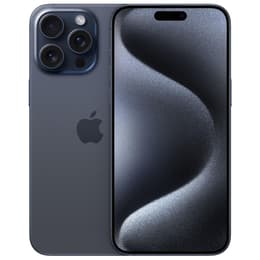
The Google Pixel 7, released in October 2022, and the iPhone 15 Pro Max, launched in September 2023, represent distinct approaches to high-end smartphone design and functionality. While both devices offer advanced mobile experiences, they differ significantly in their operating systems, camera philosophies, and overall performance profiles. The Pixel 7 operates on Android, emphasizing AI-driven features and computational photography, whereas the iPhone 15 Pro Max runs on iOS, focusing on raw processing power, a robust app ecosystem, and a versatile camera system.
Colour
Storage (GB)
When considering the longevity of a smartphone, factors like software support, physical durability, and ease of repair play a crucial role.
Year of Release
Compatible with latest Update
OS
Foldable
The performance of a smartphone impacts everything from app responsiveness to gaming and multitasking capabilities.
The display is a primary interface for smartphone interaction, influencing visual clarity and overall user experience.
Resolution
Screen type
Camera capabilities are a significant consideration for many smartphone users, impacting both photography and videography.
Main camera
Front camera
Beyond core features, several practical elements contribute to the overall user experience and device utility.
Weight
Screen size (in)
Network
SIM card
Carrier compatibility
User feedback for the Google Pixel 7 often highlights its exceptional camera performance, particularly its computational photography features that enhance everyday photos and low-light shots. Users also appreciate its clean Android experience and the integration of Google's AI capabilities. Some common criticisms include its 90Hz display, which some users find less fluid compared to 120Hz panels, and a battery life that, while generally good, may not always satisfy heavy users. The Pixel 7 is frequently praised for offering a strong overall package for its segment.
The iPhone 15 Pro Max receives consistent praise for its powerful performance, long-lasting battery, and highly versatile camera system, especially the improved telephoto zoom. Users often commend its premium build quality and the seamless integration within the Apple ecosystem. Criticisms sometimes point to its larger size and weight, which can impact one-handed use, and the continued reliance on Face ID as the sole biometric authentication method. The device is generally regarded as a top-tier option for those seeking maximum performance and advanced features.
Users prioritizing an advanced camera with strong AI integration and a streamlined Android experience may find the Google Pixel 7 well-suited to their needs. Its focus on intelligent software features makes it a compelling choice for those who value computational photography and a pure Android interface. Conversely, users who prioritize raw processing power, a comprehensive and versatile camera system with extended optical zoom, and a longer software support window may lean towards the iPhone 15 Pro Max. Its robust performance and premium build cater to power users and those deeply embedded in the iOS ecosystem. Both devices are available as quality-assured refurbished options, providing an eco-friendly alternative for consumers.