

Galaxy A15 Vs iPhone 14

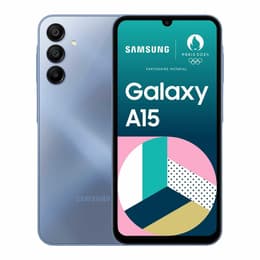
Galaxy A15
Galaxy A15
Starting at

Refurbished price:124.00

Versus €189.00 new

See options
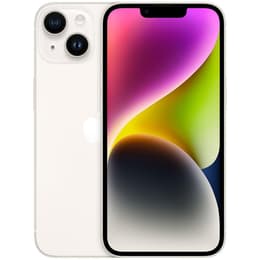
iPhone 14
iPhone 14
Starting at

Refurbished price:287.25

Versus €759.00 new

See options

Ratings

The Samsung Galaxy A15, released in December 2023, and the Apple iPhone 14, launched in September 2022, are smartphones from different ecosystems, offering distinct user experiences. While the Galaxy A15 runs on Android with Samsung's One UI, the iPhone 14 operates on Apple's iOS platform. Key differentiators lie in their display technology, camera capabilities, and overall system performance, catering to varying user preferences.

Scores

Durability

When considering the practical lifespan of these devices, both offer substantial software support, though their repairability approaches differ. The Galaxy A15, released more recently, benefits from a commitment to four years of Android operating system updates, extending its software relevance into the future. The iPhone 14, while older, typically receives iOS updates for approximately five to six years from its launch, providing a long period of software support.

  • Software Longevity: The Galaxy A15 is guaranteed four years of OS updates, while the iPhone 14 generally receives updates for a longer duration, typically five to six years.
  • Repairability: The iPhone 14 initially received a favorable repairability assessment due to its internal redesign, making components like the back glass more accessible. However, this score was later downgraded due to software restrictions that complicate repairs with non-genuine parts. Information on the Galaxy A15's repairability is less detailed, but it generally follows standard Android device repair practices.
  • Expected Lifespan: Both devices are built to last, with the iPhone 14 featuring Ceramic Shield for display protection and an IP68 rating for water and dust resistance. The Galaxy A15 has a plastic build and Dragontrail Pro glass for its display, but lacks an official IP rating.

Year of Release

2023

2022

Compatible with latest Update

Yes

Yes

OS

Android

iOS

Foldable

No

No

Performance

The performance of these two smartphones varies significantly, impacting how smoothly they handle daily tasks and demanding applications. The iPhone 14 delivers a consistently fluid experience, capable of managing intensive apps and multitasking without noticeable slowdowns. The Galaxy A15, while functional for everyday use, may exhibit slower response times for basic tasks and can handle graphically demanding games primarily at lower settings.

  • System Responsiveness: The iPhone 14 offers swift and reliable performance, ensuring smooth animations and quick app loading. The Galaxy A15 can feel a bit slower in responding to inputs and loading applications.
  • Multitasking and Gaming: Both devices can multitask effectively, with the Galaxy A15 noted for not reloading apps frequently during switching. The iPhone 14 excels in handling graphically intensive games and demanding applications with ease.
  • Battery Behavior: The Galaxy A15 features a large 5000 mAh battery, providing excellent endurance that can last for 1.5 to 2 days of average use. The iPhone 14, with its 3279 mAh battery, typically offers all-day battery life for most users, lasting around 9.5 hours in web browsing tests.

Memory (GB)

4 GB

6 GB

Screen quality

The visual experience on both devices is shaped by their display technologies and specifications, influencing clarity, color reproduction, and outdoor visibility. The iPhone 14 features a Super Retina XDR OLED display, known for its deep blacks and vibrant colors. The Galaxy A15 also utilizes an AMOLED panel, providing rich colors and good brightness for its category.

  • Display Technology and Clarity: The iPhone 14's 6.1-inch OLED display offers a high resolution of 2532 x 1170 pixels, resulting in sharp and detailed visuals. The Galaxy A15 has a 6.5-inch Super AMOLED screen with a 1080p resolution, which is clear and functional for media consumption.
  • Brightness and Refresh Rate: The iPhone 14 provides a typical brightness of 800 nits and a peak HDR brightness of 1200 nits, ensuring good visibility outdoors. It maintains a standard 60Hz refresh rate. The Galaxy A15 offers up to 800 nits of brightness and a smoother 90Hz refresh rate, which enhances scrolling and animations.
  • Viewing Experience: The iPhone 14's display is praised for its punchy colors and deep contrast. The Galaxy A15's screen is functional for videos and games, though some users might desire a larger display or higher refresh rate.

Resolution

1080 x 2340

1170 x 2532

Screen type

Super AMOLED

Super Retina XDR OLED

Audiovisual

Both smartphones offer capable camera systems, but they cater to different expectations regarding photographic and videographic output. The iPhone 14 is equipped with an advanced dual-camera system that excels in various lighting conditions and video recording. The Galaxy A15 provides a versatile triple-camera setup that performs well in good lighting, though its video capabilities are less emphasized.

  • Photography Performance: The iPhone 14 features a 12MP main camera with a larger sensor and improved low-light performance, along with a 12MP ultrawide lens. The Galaxy A15 has a 50MP main camera, a 5MP ultrawide, and a 2MP macro lens, producing decent outdoor photos.
  • Video Recording Quality: The iPhone 14 offers excellent video recording, including Cinematic mode for depth effects and Action mode for enhanced stabilization, supporting 4K Dolby Vision HDR. The Galaxy A15's video recording quality is generally considered less impressive.
  • Front Camera and Audio: Both devices include capable front-facing cameras, with the iPhone 14 featuring a 12MP camera with autofocus. The Galaxy A15 has a 13MP front camera. The iPhone 14 provides a rich media consumption experience, while the Galaxy A15 has a single audio speaker, which may not be ideal for music.

Main camera

50 megapixels

12 megapixels

Front camera

13 megapixels

12 megapixels

Miscellaneous

Beyond core features, several practical elements contribute to the overall user experience and daily convenience of these devices. Connectivity, physical ports, and biometric security are areas where the Galaxy A15 and iPhone 14 present different approaches.

  • Connectivity and Ports: Both phones support 5G connectivity. The Galaxy A15 includes a headphone jack, a feature absent on the iPhone 14. The iPhone 14 uses a Lightning port, while the Galaxy A15 typically features a USB-C port.
  • Biometric Security: The iPhone 14 relies on Face ID for secure facial recognition. The Galaxy A15 incorporates a side-mounted fingerprint reader for unlocking.
  • Build Materials and Handling: The iPhone 14 features an aluminum frame with glass front and back, offering a premium feel and IP68 water and dust resistance. It weighs 172 grams. The Galaxy A15 has a plastic back and frame, weighing 200 grams, and lacks an official IP rating.

Weight

200 g

172 g

Screen size (in)

6.5

6.1

Network

4G

5G

SIM card

Dual Physical SIM

Physical SIM + eSIM

Carrier compatibility

Unlocked

Unlocked

User feedback for the iPhone 14 often highlights its strong camera performance, reliable overall speed, and the consistent iOS experience. Common criticisms sometimes point to its 60Hz display refresh rate, which is lower than many competitors, and the lack of significant design changes from its predecessor. For the Galaxy A15, users frequently praise its excellent battery life, vibrant AMOLED screen, and Samsung's commitment to software updates. However, its performance is often noted as being on the slower side for more demanding tasks, and its single speaker is a frequent point of concern.

Users prioritizing a consistently smooth and powerful performance, especially for demanding applications and high-quality video recording, may find the iPhone 14 well-suited to their needs. Its robust ecosystem and long-term software support also appeal to those seeking extended device relevance. Conversely, individuals who prioritize exceptional battery life, a larger display with a smoother refresh rate, and the flexibility of the Android operating system might lean toward the Galaxy A15. It serves as a practical choice for everyday communication and media consumption, particularly for those who value an eco-friendly, quality-assured refurbished option. Both devices offer distinct advantages, making the choice dependent on individual priorities and usage patterns.

See all articles

Our recent comparisons