

Compare models
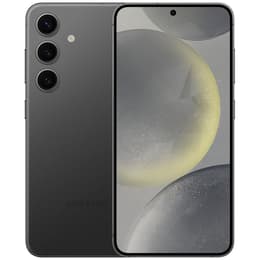
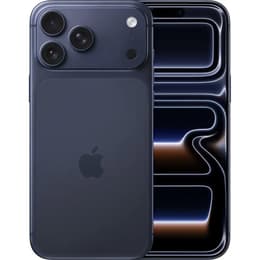
Galaxy S24 Vs iPhone 17 Pro Max
- 1-year minimum warranty
- Free delivery on all orders
- Free 30-day returns
Differences at a glance
The Samsung Galaxy S24 (2024) and the iPhone 17 Pro Max (2025) are high-end smartphones designed for different segments of the mobile market, varying significantly in physical scale, release timing, and operating systems. While the Galaxy S24 operates on Android within a compact frame, the iPhone 17 Pro Max runs on iOS through a much larger phablet structure. Both devices offer robust everyday capabilities, but they cater to contrasting preferences regarding physical dimensions and ecosystem integration.
Available Models
Colour
Storage
Scores
Durability
Lifecycle expectations and update structures differ across these models due to their release dates and manufacturer policies, influencing long-term software support.
- Release timeline and support: The Galaxy S24 launched in early 2024, whereas the iPhone 17 Pro Max debuted in late 2025, meaning the Apple device benefits from an extended software support window relative to its age.
- Repairability and durability: Both models feature water resistance ratings (IP68) and sturdy outer frames, though component availability and structured repair pathways vary by regional service providers.
- Expected practical lifespan: Both units maintain high-capacity memory configurations designed to accommodate future software updates smoothly over several years of standard daily use.
Year of Release
2024
2025
Compatible with latest Update
Yes
Yes
OS
Android
iOS
Foldable
No
No
Performance
Handling routine multitasking, storage management, and energy retention, both smartphones deliver dependable speed through current-generation component integration.
- Processor capabilities: Both devices load demanding applications swiftly, handle heavy background tasks without stuttering, and maintain smooth system responsiveness during extended use sessions.
- Battery behavior: The iPhone 17 Pro Max houses a larger physical battery capable of sustaining multi-day mixed usage, while the more compact Galaxy S24 requires daily recharging under similar intensive workloads.
- Memory and storage: Generous base memory provisions ensure seamless switching between multiple active applications without unexpected reloading.
Screen quality
Visual output characteristics vary primarily due to physical sizing and panel design specifications.
- Display technology: Both models utilize vibrant OLED panels with deep black levels, high contrast ratios, and adaptive refresh rates scaling up to 120 Hz for smooth scrolling.
- Brightness and outdoor visibility: High peak luminance levels allow both screens to remain clearly legible under direct sunlight or bright outdoor lighting conditions.
- Viewing space: The Galaxy S24 provides a compact 6.2-inch viewing area suited for single-handed operation, while the iPhone 17 Pro Max features an expansive 6.9-inch canvas tailored for media consumption and split-screen viewing.
Resolution
1080 x 2340
2868x1320
Screen type
Dynamic LTPO AMOLED 2X
Super Retina XDR
Audiovisual
Imaging hardware and audio output setups cater to different multimedia creation and consumption habits.
- Camera versatility: Both systems utilize high-resolution main sensors supported by ultra-wide options, capturing detailed everyday photos and stable video recordings across varying light conditions.
- Video and audio recording: Integrated multi-microphone arrays capture clear voice audio during calls and video recording, complemented by balanced stereo speakers for media playback.
- Low-light performance: Advanced image processing helps reduce noise in dimly lit environments, producing balanced exposures without excessive artificial sharpening.
Main camera
50 megapixels
48 megapixels
Front camera
12 megapixels
18 megapixels
Miscellaneous
Physical handling characteristics, port types, and connectivity standards shape the everyday ergonomic experience of each device.
- Connectivity standards: Both smartphones support fast 5G cellular networks, modern Wi-Fi protocols, and Bluetooth for accessories.
- Ports and charging: The iPhone 17 Pro Max utilizes a USB-C port alongside MagSafe wireless options, while the Galaxy S24 relies on standard USB-C connectivity coupled with Qi wireless charging.
- Dimensions and weight: The Galaxy S24 weighs 167 grams with a slim profile suited for pockets, whereas the heavier iPhone 17 Pro Max weighs 233 grams and requires a two-handed grip for comfortable long-term handling.
Weight
167 g
233 g
Screen size (in)
6.2
6.9
Network
5G
5G
SIM card
Dual Physical SIM + eSIM
eSIM
Carrier compatibility
Unlocked
Unlocked
Connector
USB-C
USB-C
What the community thinks
User discussions across community forums highlight distinct preference splits between these two models. Owners of the Galaxy S24 frequently praise its lightweight, pocket-friendly form factor and straightforward interface, though some note that its smaller battery requires more frequent attention during heavy travel days. Conversely, users of the iPhone 17 Pro Max highlight its exceptional battery longevity and expansive display as major advantages, while occasionally noting that its substantial physical weight and large footprint can feel cumbersome for one-handed navigation.
Users prioritizing a compact, easily portable device for single-handed use will find the Galaxy S24 well-suited to their daily routine, while users prioritizing maximum screen real estate and extended battery endurance between charges may lean toward the iPhone 17 Pro Max. For consumers exploring sustainable technology habits, a quality-assured refurbished option provides a practical, eco-friendly alternative that extends device lifecycles without compromising on core performance capabilities.









