

Compare models

iPhone Air Vs Xiaomi Redmi Note 13 Pro

  • 1-year minimum warranty
  • Free delivery on all orders
  • Free 30-day returns
iPhone Air
Starting at

Refurbished price:€717.00

Versus €1,339.00 new

See options
Xiaomi Redmi Note 13 Pro
Starting at

Refurbished price:€230.93

Versus €999.00 new

See options

Differences at a glance

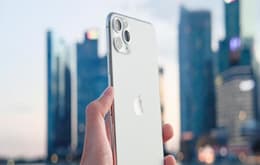
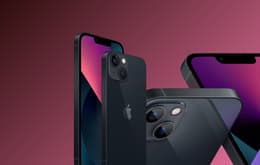
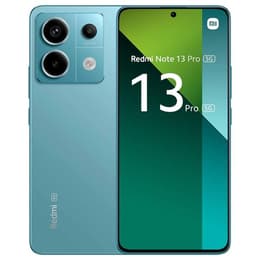
The Apple iPhone Air (2025) and the Xiaomi Redmi Note 13 Pro (2023) represent two distinct approaches to modern smartphone engineering. While the iPhone Air prioritizes an ultra-thin form factor and a streamlined single-camera layout running iOS, the Xiaomi Redmi Note 13 Pro focuses on versatile multi-lens photography and a traditional profile running Android with custom interface features. These models cater to very different user preferences regarding daily handling and software ecosystems.

Available Models

Colour

Storage

Scores

Durability

When examining longevity and build endurance, these devices differ significantly in their release timelines and software support structures.

  • Release timeline and software support: The iPhone Air launched in late 2025 with Apple's long-term update schedule, while the Xiaomi Redmi Note 13 Pro debuted in late 2023, offering a standard Android update cycle that provides fewer total years of major system upgrades.
  • Repairability and physical resilience: Both handsets utilize durable front glass protection and sturdy frames, though standard repair availability varies between regions, with community repair parts often more widely accessible for the Xiaomi model.

Year of Release

2025

2023

Performance

Daily operation and hardware capability reflect the differing hardware designs found inside each device's chassis.

  • Multitasking and daily speed: The iPhone Air handles demanding applications, intensive multitasking, and complex graphics smoothly, whereas the Xiaomi Redmi Note 13 Pro manages standard everyday tasks, web browsing, and moderate app usage reliably.
  • Battery behavior and storage: Due to its extremely slim physical profile, the iPhone Air features a compact battery capacity that suits moderate daily routines, while the Xiaomi Redmi Note 13 Pro incorporates a larger battery cell designed to comfortably clear a full day of mixed use.

Screen quality

Viewing experiences differ through distinct panel technologies tailored to each device's target category.

  • Display panel and clarity: Both smartphones feature vibrant OLED screens with deep contrast levels and sharp resolutions, ensuring clear text and vivid media reproduction.
  • Smoothness and outdoor visibility: Each device supports high refresh rates for fluid scrolling through menus and web pages, alongside high peak brightness output for comfortable readability under direct sunlight.

Audiovisual

Optics and media playback systems vary notably in lens configuration and acoustic output.

  • Camera hardware configurations: The iPhone Air utilizes a single high-resolution main camera system optimized for everyday snapshots and stable video recording, while the Xiaomi Redmi Note 13 Pro features a multi-lens array including a high-pixel primary sensor for diverse shooting angles.
  • Audio reproduction: Media consumption differs as the iPhone Air relies on a specialized speaker configuration, whereas the Xiaomi model incorporates stereo sound output for casual video viewing.

Miscellaneous

Physical dimensions and connectivity standards shape the everyday handling and utility of both handsets.

  • Physical dimensions: The iPhone Air stands out with an exceptionally thin and lightweight titanium-infused frame designed for effortless pocketability, while the Xiaomi Redmi Note 13 Pro maintains a standard thickness and weight distribution.
  • Ports and connectivity: Both devices support modern wireless networks, with the Apple model utilizing a reversible USB Type-C port for charging and data transfer alongside modern digital security sensors.

Screen size (in)

6.5

6.67

Network

5G

5G

SIM card

eSIM

Dual Physical SIM

Carrier compatibility

Unlocked

Unlocked

Connector

USB-C

USB-C

What the community thinks

Users prioritizing an exceptionally lightweight and thin physical profile alongside long-term software updates often lean toward the iPhone Air. Conversely, individuals seeking a traditional smartphone build with a larger battery capacity and multi-lens camera versatility frequently find the Xiaomi Redmi Note 13 Pro well-suited to their daily routines. Considering a quality-assured refurbished option provides an eco-friendly alternative that extends the lifecycle of these electronics while supporting sustainable purchasing habits. Ultimately, the choice depends on which physical dimensions and operating system preferences best match your lifestyle.