

iPhone 12 mini Vs Xiaomi 12T

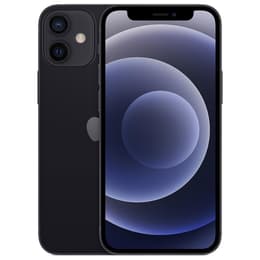
iPhone 12 mini
iPhone 12 mini
Starting at

Refurbished price:146.50

Versus €689.00 new

See options
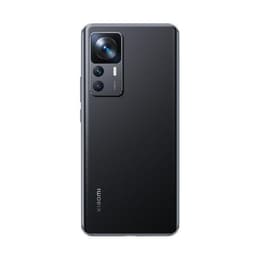
Xiaomi 12T
Xiaomi 12T
Starting at

Refurbished price:140.00

Versus €649.00 new

See options

Ratings

The iPhone 12 Mini, released in November 2020, and the Xiaomi 12T, launched in October 2022, represent distinct approaches to smartphone design and user experience. While the iPhone 12 Mini offers a compact form factor running on Apple's iOS ecosystem, the Xiaomi 12T provides a larger display and a feature-rich Android experience. These devices cater to different user preferences, primarily differing in their physical size, operating systems, and camera philosophies.

Scores

Durability

When considering the long-term usability of these devices, their release timelines and software support play a significant role.

  • Release Timeline: The iPhone 12 Mini was released in November 2020, making it an older device compared to the Xiaomi 12T, which launched in October 2022. This difference in release year directly impacts the remaining period of official software updates and overall practical lifespan.
  • Software Longevity: Apple typically provides iOS updates for 5-6 years from a device's release, suggesting the iPhone 12 Mini will continue to receive updates for a few more years from the current date. The Xiaomi 12T, running Android, generally receives 3 major Android version updates and 4 years of security updates, offering a solid period of support from its newer launch date.
  • Repairability: The iPhone 12 Mini received a repairability score of 6 out of 10 from iFixit, noting that display and battery replacements are relatively straightforward due to modular components, though specialized screws and a fragile glass back can complicate repairs. Information on the Xiaomi 12T's specific repairability score is less widely available, but Android devices generally vary in ease of repair.

Year of Release

2020

2022

Compatible with latest Update

Yes

Yes

OS

iOS

Android

Foldable

No

No

Performance

The performance of a smartphone is crucial for daily tasks, from app usage to multitasking and gaming. Both devices offer capable performance for their respective ecosystems.

  • System Responsiveness: The iPhone 12 Mini is powered by a processor designed to handle demanding applications and multitasking smoothly, providing a fluid user experience across iOS. The Xiaomi 12T features a current-generation processor that ensures efficient handling of apps and a responsive overall system, suitable for gaming and heavy usage.
  • Multitasking Capabilities: The iPhone 12 Mini comes with 4GB of RAM, which is optimized for iOS's memory management, allowing for efficient app switching and background processes. The Xiaomi 12T typically offers 8GB of RAM, providing ample capacity for extensive multitasking and running numerous applications simultaneously without slowdowns.
  • Storage Options: Both devices offer various internal storage configurations. The iPhone 12 Mini is available with 64GB, 128GB, or 256GB of storage. The Xiaomi 12T offers 128GB or 256GB storage options, providing generous space for apps, photos, and media.
  • Battery Behavior: The iPhone 12 Mini has a smaller battery capacity, which for light to moderate users can last a full day, but heavy users may find themselves needing to charge more frequently. The Xiaomi 12T is equipped with a larger battery, designed to provide extended usage throughout the day, and supports fast charging technology for quick power replenishment.

Memory (GB)

4 GB

8 GB

Screen quality

The display is a primary interface for any smartphone, and these two models offer distinct viewing experiences.

  • Display Technology and Clarity: The iPhone 12 Mini features a 5.4-inch Super Retina XDR OLED display, offering deep blacks, vibrant colors, and a high pixel density for sharp visuals. The Xiaomi 12T comes with a larger 6.67-inch AMOLED display, also providing rich colors and strong contrast, with a resolution that ensures clear and detailed images.
  • Refresh Rate and Smoothness: The iPhone 12 Mini has a standard 60Hz refresh rate, which provides a consistent visual experience. In contrast, the Xiaomi 12T boasts a 120Hz refresh rate, resulting in smoother scrolling, more fluid animations, and a more responsive feel during interactions and gaming.
  • Brightness Levels: Both displays offer good brightness for various lighting conditions. The iPhone 12 Mini reaches 625 nits typical brightness and up to 1200 nits for HDR content. The Xiaomi 12T offers a typical brightness of 500 nits and a peak brightness of 900 nits.
  • Screen Size and Viewing Experience: The iPhone 12 Mini's compact 5.4-inch screen is ideal for one-handed use and portability, though some users might find it small for extensive media consumption or detailed work. The Xiaomi 12T's larger 6.67-inch display provides an expansive canvas, enhancing the experience for watching videos, browsing, and gaming.

Resolution

1080 x 2340

1220 x 2712

Screen type

Super Retina XDR OLED

AMOLED

Audiovisual

Camera capabilities are a significant factor for many users, and these devices approach photography with different hardware configurations.

  • Rear Camera Systems: The iPhone 12 Mini features a dual 12-megapixel camera system, including wide and ultrawide lenses, known for consistent image quality, good low-light performance, and advanced computational photography. The Xiaomi 12T offers a triple camera setup, highlighted by a 108-megapixel main sensor with optical image stabilization (OIS), an 8-megapixel ultrawide, and a 2-megapixel macro lens, designed to capture high-resolution details and perform well in various lighting conditions.
  • Video Recording Quality: Both phones are capable of recording high-quality video. The iPhone 12 Mini supports 4K video recording at up to 60 frames per second, including HDR video with Dolby Vision. The Xiaomi 12T also supports 4K video recording, with its main sensor offering good stabilization for video capture.
  • Front Camera Performance: For selfies and video calls, the iPhone 12 Mini includes a 12-megapixel front camera with features like Night Mode and Portrait Mode. The Xiaomi 12T is equipped with a 20-megapixel front camera, providing detailed images for self-portraits and video conferencing.
  • Audio Experience: The iPhone 12 Mini features stereo speakers that deliver clear and crisp audio, suitable for media consumption and calls. The Xiaomi 12T also includes dual speakers with Dolby Atmos support, aiming to provide an immersive audio experience for entertainment.

Main camera

12 megapixels

108 megapixels

Front camera

12 megapixels

20 megapixels

Miscellaneous

Beyond core features, several practical elements contribute to the overall user experience and device utility.

  • Connectivity Options: Both devices support 5G connectivity for faster mobile data speeds. The iPhone 12 Mini includes Wi-Fi 6 and Bluetooth 5.0. The Xiaomi 12T also supports Wi-Fi 6 and features a newer Bluetooth 5.3 standard, potentially offering improved connection stability and efficiency with compatible accessories.
  • Port Types and Sensors: The iPhone 12 Mini utilizes Apple's proprietary Lightning port for charging and data transfer, and relies on Face ID for biometric authentication. The Xiaomi 12T features a more universal USB-C port and offers both an in-display fingerprint sensor and AI face unlock for security. The Xiaomi 12T also includes an IR blaster, a feature not found on the iPhone, which allows it to function as a universal remote control.
  • Build Materials and Durability Features: The iPhone 12 Mini features a Ceramic Shield front cover, which Apple states offers enhanced drop performance, along with an aluminum frame and an IP68 rating for significant water and dust resistance. The Xiaomi 12T uses Corning Gorilla Glass 5 for its front display and has an IP53 rating, indicating splash resistance.
  • Physical Design and Handling: The iPhone 12 Mini is notably compact and lightweight, measuring 131.5 x 64.2 x 7.4 mm and weighing 135g, making it easy for one-handed use and pocketability. The Xiaomi 12T is a larger and heavier device at 163.1 x 75.9 x 8.6 mm and 202g, offering a more substantial feel and a larger screen area.

Weight

135 g

220 g

Screen size (in)

5.4

6.67

Network

5G

5G

SIM card

Physical SIM + eSIM

Dual Physical SIM

Carrier compatibility

Unlocked

Unlocked

Connector

Lightning

USB-C

User sentiment for the iPhone 12 Mini often highlights its compact size and powerful performance as key advantages. Many users appreciate its ability to deliver a flagship iOS experience in a small form factor, making it comfortable for one-handed use and easy to carry. Common criticisms, however, frequently revolve around its battery life, which, while adequate for light to moderate use, can be a concern for heavy users or those accustomed to larger phones. Some users also note the smaller screen size might not be ideal for extensive media consumption or productivity tasks.

For the Xiaomi 12T, users generally praise its large, high-refresh-rate display, powerful battery with fast charging capabilities, and capable camera system, especially the high-megapixel main sensor. The Android operating system with MIUI offers extensive customization options, which is often a positive for users. Potential concerns sometimes include the software experience for those not accustomed to MIUI, and the lack of an official high-level IP rating compared to some competitors. The larger size, while beneficial for media, might be a drawback for users preferring a more compact device.

Users prioritizing a highly portable device with a premium operating system and consistent performance will find the iPhone 12 Mini well-suited to their needs. Its compact design is a significant differentiator for those who value ease of handling and pocketability. Conversely, users who prioritize a large, smooth display for media and gaming, extended battery life with rapid charging, and a versatile camera system may lean toward the Xiaomi 12T. Its Android ecosystem also offers greater flexibility in customization. Both devices offer distinct advantages, and choosing between them depends on individual priorities regarding size, operating system preference, and specific feature requirements. Exploring quality-assured refurbished options for either model can also provide an eco-friendly alternative for consumers.

See all articles

Our recent comparisons