

Compare models

iPhone 13 mini Vs Xiaomi Redmi Note 13 4G

  • 1-year minimum warranty
  • Free delivery on all orders
  • Free 30-day returns
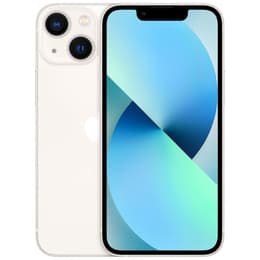
iPhone 13 mini
Starting at

Refurbished price:244.44

Versus €829.00 new

See options
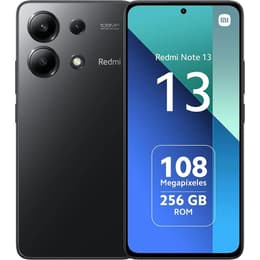
Xiaomi Redmi Note 13 4G
Starting at

Refurbished price:200.00

Versus €340.00 new

See options

Differences at a glance

The Apple iPhone 13 mini (2021) and the Xiaomi Redmi Note 13 4G (2024) represent two very different approaches to modern smartphone design, catering to distinct user preferences in size and capability. While the iPhone 13 mini focuses on a compact form factor packed with high-end processing power, the Xiaomi Redmi Note 13 4G offers a large-screen media experience running on the Android operating system. Choosing between these devices depends largely on whether physical portability or screen real estate takes priority.

Available Models

Colour

Storage (GB)

Scores

Durability

When examining hardware durability and software support lifespans, both devices approach longevity through different avenues, balancing age, materials, and update schedules.

  • Software longevity and updates: The iPhone 13 mini benefits from Apple's extended software support cycle, receiving regular operating system upgrades well past its release year. The Xiaomi Redmi Note 13 4G runs on Android with customized interface updates for a standard multi-year window, though total major system updates may conclude sooner than its Apple counterpart.
  • Build materials and physical resilience: The iPhone 13 mini features an aluminum frame paired with specialized front glass protection and a high water-resistance rating designed to withstand accidental submersion. The Xiaomi Redmi Note 13 4G utilizes reinforced display glass alongside a plastic frame and back, carrying a modest splash-resistance rating for daily protection against light moisture.
  • Repairability and lifecycle maintenance: Both models feature established repair networks, allowing components like batteries and screens to be serviced over time. Opting for a quality-assured refurbished option provides an eco-friendly alternative that extends the operational life of these electronics while reducing electronic waste.

Year of Release

2021

2024

Compatible with latest Update

Yes

Yes

OS

iOS

Android

Foldable

No

No

Performance

Daily operation and hardware capability differ notably between the two models, influencing how they handle multitasking, power management, and storage.

  • System speed and application handling: The iPhone 13 mini handles demanding applications, graphic-heavy gaming, and rapid multitasking smoothly thanks to its high-performance silicon. The Xiaomi Redmi Note 13 4G manages everyday tasks, web browsing, and casual applications reliably with its current-generation mid-range processor.
  • Battery behavior and energy use: The iPhone 13 mini relies on a compact battery capacity that generally requires daily charging under moderate use due to its smaller physical size. The Xiaomi Redmi Note 13 4G incorporates a larger battery capacity that easily sustains a full day of mixed use, supported by fast-charging capabilities to replenish power quickly.
  • Storage capacity configurations: Apple offers tiered internal storage options without expandable memory slots, while the Xiaomi model provides generous baseline storage alongside expandable storage support via microSD cards for media collectors.

Screen quality

Display characteristics define a major part of the user experience, dividing these devices by physical dimensions, refresh rates, and visual panels.

  • Panel technology and visual clarity: Both smartphones utilize vibrant OLED technology that delivers deep black levels and high contrast ratios, though the Xiaomi model features a significantly larger diagonal screen size suited for media consumption.
  • Refresh rate and visual smoothness: The Xiaomi Redmi Note 13 4G features a high refresh rate panel that makes scrolling through menus and web pages appear fluid. In comparison, the iPhone 13 mini utilizes a standard refresh rate screen paired with high pixel density for sharp text rendering.
  • Outdoor legibility and brightness: Both displays reach high peak brightness levels to ensure readability under direct sunlight, though Xiaomi's panel achieves a higher maximum brightness rating for bright outdoor environments.

Resolution

1080 x 2340

1080 x 2400

Screen type

Super Retina XDR OLED

AMOLED

Audiovisual

Photography, video recording, and audio output capabilities cater to different multimedia preferences and content creation needs.

  • Camera hardware and everyday imaging: The iPhone 13 mini employs a dual-camera system featuring advanced computational photography software to capture detailed low-light shots and stable videos. The Xiaomi Redmi Note 13 4G equips a high-resolution main sensor designed for crisp daylight photography complemented by supporting lenses.
  • Video recording performance: Apple's device excels in video stability and offers specialized cinematic recording modes with automatic focus shifts. The Xiaomi model records reliable standard definition video suitable for casual sharing and video calls.
  • Audio and media playback: The iPhone 13 mini delivers balanced stereo sound through its earpiece and base speaker. The Xiaomi Redmi Note 13 4G features dedicated stereo speakers that provide an immersive audio environment for watching videos without headphones.

Main camera

12 megapixels

108 megapixels

Front camera

12 megapixels

16 megapixels

Miscellaneous

Practical daily features, connectivity standards, and physical handling traits shape how each device fits into a user's routine.

  • Physical dimensions and ergonomics: The iPhone 13 mini stands out for its exceptionally small and lightweight footprint, allowing comfortable single-handed operation and effortless pocket storage. The Xiaomi Redmi Note 13 4G adopts a broader, taller profile that accommodates its expansive screen but requires two-handed use for comfortable reach.
  • Biometric security methods: Apple relies on advanced facial recognition technology housed within the display notch, whereas Xiaomi integrates an optical fingerprint scanner directly beneath the screen surface.
  • Connectivity and ports: The iPhone 13 mini utilizes Apple's proprietary connector alongside modern wireless standards including 5G, while the Xiaomi Redmi Note 13 4G adopts a universal USB-C port and supports 4G cellular networks.

Weight

140 g

175 g

Screen size (in)

5.4

6.67

Network

5G

4G

SIM card

Physical SIM + eSIM

Dual Physical SIM

Carrier compatibility

Unlocked

Unlocked

Connector

Lightning

USB-C

What the community thinks

User discussions across community platforms often highlight distinct preferences for each device. Owners of the iPhone 13 mini frequently praise its pocket-friendly dimensions, robust build quality, and long-lasting processing capability that keeps the software running smoothly. Common concerns center on its shorter battery endurance during heavy usage and the restricted screen space. Conversely, users of the Xiaomi Redmi Note 13 4G frequently commend its vibrant, smooth-scrolling large display and reliable daily battery longevity, while noting that its processor is best suited for standard tasks rather than intensive mobile gaming.

When deciding between the two, users prioritizing a compact, easily concealable phone with high processing power will find the iPhone 13 mini well-suited to their routine. On the other hand, users prioritizing a large viewing canvas, fluid screen refresh rates, and extended battery endurance will lean toward the Xiaomi Redmi Note 13 4G. Exploring a quality-assured refurbished option provides a sustainable and eco-friendly choice for acquiring either device while supporting responsible consumption.