

Compare models
iPhone 17e Vs Xiaomi Redmi Note 14 4G
- 1-year minimum warranty
- Free delivery on all orders
- Free 30-day returns
Differences at a glance
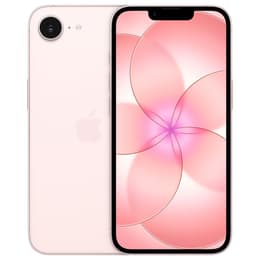
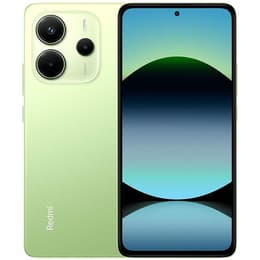
The Apple iPhone 17e (2026) and the Xiaomi Redmi Note 14 4G (2025) are distinct smartphones catering to different segments of the mobile market. While both devices serve daily communication and media needs, they differ significantly in their operating systems, hardware philosophy, and software ecosystems. These functional divergences shape how each phone handles long-term updates, everyday responsiveness, and user interaction.
Available Models
Colour
Storage
Scores
Durability
When evaluating structural longevity and software support, the Apple iPhone 17e and Xiaomi Redmi Note 14 4G approach updates and physical resilience through different vendor pathways.
- Software Support: The iPhone 17e benefits from Apple's long-standing update model, providing sustained operating system upgrades for many years. The Xiaomi Redmi Note 14 4G runs on Android with custom interface layers, offering multiple major version updates suited for its segment.
- Build Durability: The iPhone 17e features robust water resistance and reinforced front glass protection designed to withstand accidental drops. The Xiaomi Redmi Note 14 4G incorporates splash resistance and durable display glass, though it requires more care around water immersion.
- Expected Lifespan: Both models are built to last several years of daily routine use, though hardware component headroom allows the iPhone to maintain intensive background processing capacity deeper into its lifecycle.
Year of Release
2026
2025
OS
iOS
Android
Foldable
No
No
Performance
Handling routine multitasking, storage capacity, and battery retention varies notably between these two smartphones based on their internal hardware configurations.
- Multitasking and Responsiveness: The iPhone 17e handles demanding applications and rapid task switching smoothly thanks to its efficient processing architecture and ample system memory. The Xiaomi Redmi Note 14 4G manages everyday tasks, social media, and web browsing reliably with its octa-core processor setup.
- Storage Configurations: Apple provides generous starting internal storage capacities without expansion slots, whereas Xiaomi offers flexible storage configurations alongside expandable microSD card support.
- Battery Behavior: Both devices manage power efficiently for a full day of typical usage, though varying battery capacities and charging speeds mean charging routines will differ based on heavy media consumption.
Screen quality
Visual output and screen interactions present different viewing experiences regarding panel technology, dimensions, and motion smoothness.
- Display Technology: The iPhone 17e utilizes a compact OLED screen delivering deep contrast levels and crisp text rendering. The Xiaomi Redmi Note 14 4G features a larger AMOLED panel with a high refresh rate that makes scrolling through feeds appear fluid.
- Outdoor Visibility: Both displays reach sufficient brightness levels to remain legible under direct sunlight, ensuring clear visibility for maps and messaging outdoors.
- Physical Dimensions: The iPhone 17e provides a more compact, one-handed navigation experience, whereas the Xiaomi Redmi Note 14 4G offers an expansive screen real estate preference for media viewing.
Resolution
2532 x 1170
1080x2400
Audiovisual
Capturing everyday moments and consuming multimedia content highlights different optical strengths and audio output profiles.
- Camera Systems: The iPhone 17e employs a high-resolution single-lens rear setup capable of sharp everyday photography and stable video recording. The Xiaomi Redmi Note 14 4G features a multi-lens array that gives users options for standard and wide-angle framing.
- Video and Low Light: Apple excels in video stabilization and dark-environment processing consistency, while Xiaomi delivers reliable casual snapshot results across various lighting conditions.
- Audio Experience: Both models include stereo speaker configurations that provide clear sound output for hands-free calls, podcasts, and casual video streaming.
Miscellaneous
Practical daily utility features, physical handling characteristics, and connectivity options round out the day-to-day user experience.
- Connectivity and Ports: The iPhone 17e supports modern wireless standards alongside proprietary charging connections and secure facial recognition. The Xiaomi Redmi Note 14 4G includes traditional audio jacks, expandable storage options, and in-screen fingerprint sensing.
- Physical Handling: Weighing differently due to screen size and internal construction, the iPhone 17e feels lighter in the pocket, while the Xiaomi Redmi Note 14 4G provides a broader grip profile.
Weight
169 g
196 g
Screen size (in)
6.1
6.67
Network
5G
4G
SIM card
eSIM
Physical SIM + eSIM
Carrier compatibility
Unlocked
Unlocked
What the community thinks
User feedback from online communities highlights distinct preferences for each device. Owners of the iPhone 17e frequently praise its seamless operating system integration, long-term update reliability, and compact build quality. Conversely, discussions around the Xiaomi Redmi Note 14 4G often emphasize its smooth high-refresh-rate display, expandable storage convenience, and everyday value. Common criticisms for the Apple model center on its traditional design layout, while users note that the Xiaomi device lacks advanced cellular connectivity standards.
Users prioritizing deep ecosystem integration, compact handling, and extended software longevity will find the iPhone 17e well-suited to their needs. Meanwhile, users preferring a larger fluid display, expandable storage, and flexible everyday features may lean toward the Xiaomi Redmi Note 14 4G. For consumers seeking a sustainable choice, a quality-assured refurbished option provides a reliable, eco-friendly alternative to purchasing newly manufactured hardware.