
iPhone

Compare models
Differences at a glance
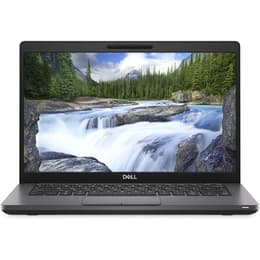
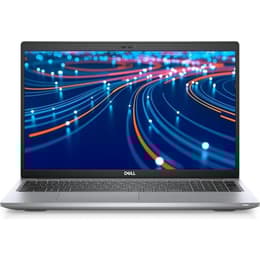
The Dell Latitude 5400, released around 2019, and the Dell Latitude 5520, launched in 2021, are business-oriented laptops designed for productivity and reliability. While both models offer a robust computing experience, they differ primarily in their screen size, processor generation, and some connectivity options. Both devices run on the Windows operating system, providing a familiar environment for professional and academic users.
Storage
Processor
Memory
The expected practical lifespan of a laptop is influenced by its build quality, component longevity, and ongoing software support. Both Latitude models are built with durability in mind, featuring robust chassis designed to withstand daily use.
Year of Release
OS
Performance in these Latitude models is driven by their internal components, impacting how smoothly applications run and how efficiently tasks are completed. The primary distinction lies in their processor generations and the resulting capabilities for demanding workloads.
Graphic card
The visual experience on these laptops is shaped by their display technology, resolution, and brightness, which are crucial for comfort during extended use and clarity in various lighting conditions.
Resolution
Screen type
For communication and media consumption, the camera, microphone, and speaker systems are important considerations, influencing the quality of virtual meetings and entertainment.
Beyond core performance and display, practical elements like connectivity, physical design, and security features contribute significantly to the overall user experience of these business laptops.
Weight
Screen size
The Dell Latitude 5400 and 5520 cater to business users seeking reliable and durable laptops, though they target slightly different priorities. The Latitude 5400 is often praised for its strong performance for its generation and impressive battery life, making it a solid workhorse for general productivity. However, some users have noted its display can be dim and have reported occasional issues like overheating or freezing.
The Latitude 5520, being a newer model, benefits from more advanced processors and improved connectivity, including Thunderbolt 4, which translates to a more efficient and future-ready experience. Users appreciate its robust build quality, comfortable keyboard, and good battery life. Criticisms sometimes point to its display quality being merely adequate and a slightly heavier design compared to its smaller counterpart.
Users prioritizing a more compact and lighter device for essential tasks and who value a slightly longer battery life in some configurations might find the Latitude 5400 well-suited to their needs. Conversely, those who require more processing power for demanding applications, a larger screen for multitasking, and modern connectivity options will likely lean toward the Latitude 5520. Both models represent dependable choices for professionals and students, and considering a quality-assured refurbished option for either can be a sustainable choice for budget-conscious buyers.