

iPhone 17 Vs Xiaomi Redmi Note 13 Pro

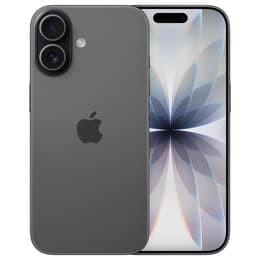
iPhone 17
iPhone 17
Starting at

Refurbished price:685.00

Versus €979.00 new

See options
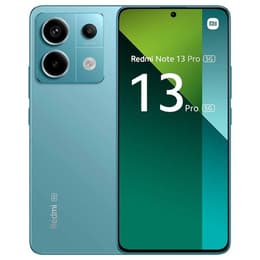
Xiaomi Redmi Note 13 Pro
Starting at

Refurbished price:179.00

Versus €349.00 new

See options

Ratings

The iPhone 17, released in 2025, represents Apple's latest iteration in its flagship smartphone line, running on the iOS operating system. In contrast, the Xiaomi Redmi Note 13 Pro, launched in early 2024, is a prominent device within Xiaomi's popular Android-based Redmi Note series. While both are smartphones designed for everyday use, they cater to different ecosystems and user expectations, with the iPhone 17 focusing on integrated performance and advanced display technology, and the Redmi Note 13 Pro emphasizing a high-resolution camera system and a vibrant display within the Android framework.

Scores

Durability

When considering the longevity of these devices, several factors come into play, including their release timelines, software support, and physical durability features.

  • Release Timeline: The iPhone 17 was introduced in September 2025, making it a newer device compared to the Xiaomi Redmi Note 13 Pro, which launched in January 2024. This difference in release date inherently provides the iPhone 17 with a longer potential lifespan in terms of being a current-generation device.
  • Software Support: Apple typically provides extensive iOS updates for its iPhones, often spanning five to seven years from the release date. This suggests the iPhone 17 will receive software support well into the late 2020s. The Redmi Note 13 Pro, running Android, generally receives three to four major Android OS updates and four to five years of security updates, meaning its software support cycle will likely conclude sooner than the iPhone 17's.
  • Durability Features: The iPhone 17 features Ceramic Shield 2 for enhanced scratch resistance on its display, offering improved protection against daily wear and tear. It also incorporates electrically released adhesive, which can facilitate easier repairs. The Redmi Note 13 Pro (5G variant) is equipped with Corning Gorilla Glass Victus for display protection and carries an IP54 rating for splash, water, and dust resistance, providing a degree of protection against environmental elements.

Year of Release

2025

2023

Compatible with latest Update

Yes

Yes

OS

iOS

Android

Foldable

No

No

Performance

The performance of a smartphone is largely dictated by its internal processing power and how efficiently it manages tasks, impacting everything from app responsiveness to gaming experiences.

  • Processor Capabilities: The iPhone 17 is powered by Apple's latest A-series chip, designed for seamless integration with iOS. This processor is engineered to handle demanding applications, complex multitasking, and graphically intensive games with fluidity and efficiency. The Xiaomi Redmi Note 13 Pro (5G) utilizes a Qualcomm Snapdragon 7s Gen 2 processor, which delivers a responsive experience for everyday tasks, social media, and moderate gaming. The 4G variant uses a MediaTek Helio G99-Ultra, also capable of smooth daily operations.
  • System Responsiveness and Multitasking: Both devices offer smooth overall system responsiveness. The iPhone 17's optimized hardware and software integration ensure quick app loading and efficient transitions between applications. The Redmi Note 13 Pro, with its capable processor and up to 12GB of RAM, allows for effective multitasking and can store a substantial amount of data.
  • Battery Behavior: The iPhone 17 is designed for improved power efficiency, with its chip and display panel contributing to a full day of typical use, often extending to 8-9 hours of active screen time. The Redmi Note 13 Pro (5G) features a 5100mAh battery, providing approximately 1.5 days or 36 hours of use on a single charge under typical conditions. Both devices support fast charging, with the Redmi Note 13 Pro offering 67W turbo charging.

Memory (GB)

8 GB

8 GB

Screen quality

The display is a primary interface for user interaction, and both devices offer distinct visual experiences.

  • Display Technology and Clarity: The iPhone 17 features a 6.3-inch Super Retina XDR OLED display, providing deep blacks, vibrant colors, and sharp visuals with a resolution of 2622 x 1206 pixels and 460 pixels per inch. The Xiaomi Redmi Note 13 Pro (5G) comes with a 6.67-inch AMOLED display, offering a resolution of 2712 x 1220 pixels and a pixel density of 446 ppi, also delivering rich colors and good clarity.
  • Brightness and Refresh Rate: The iPhone 17's display can reach a peak outdoor brightness of 3,000 nits, ensuring excellent visibility even in bright sunlight. It also incorporates ProMotion technology, allowing for an adaptive refresh rate up to 120Hz for smoother scrolling and more fluid animations. The Redmi Note 13 Pro (5G) offers a peak brightness of 1800 nits and a 120Hz refresh rate, contributing to a smooth and bright viewing experience. Both support features like Always-On display.
  • Viewing Experience: The iPhone 17's slightly larger display compared to its predecessor, combined with reduced bezels, enhances the immersive viewing experience. The Redmi Note 13 Pro (5G) also provides a large and vibrant display, with Dolby Vision and HDR10+ support, making it suitable for media consumption.

Resolution

2622x1206

1220 x 2712

Screen type

Super Retina XDR

AMOLED

Audiovisual

For many users, the camera system is a crucial aspect of a smartphone, and both devices offer capable photographic tools.

  • Rear Camera System: The iPhone 17 features a dual-lens rear camera system, including a 48-megapixel main wide-angle lens and an upgraded 48-megapixel ultra-wide lens. It does not include a dedicated telephoto lens on the base model. The Xiaomi Redmi Note 13 Pro (5G) boasts a triple camera setup, highlighted by a 200-megapixel main sensor with Optical Image Stabilization (OIS), an 8-megapixel ultrawide lens, and a 2-megapixel macro lens. The 200MP sensor allows for detailed images, even with digital zoom.
  • Photography Performance: The iPhone 17's camera system is expected to deliver strong performance in various lighting conditions, with rumors suggesting a custom image sensor and improved low-light capabilities. The Redmi Note 13 Pro's 200MP main camera, coupled with OIS and advanced imaging algorithms, aims to capture detailed and stable photos, even in challenging light.
  • Video Recording and Front Camera: Both devices offer capable video recording. The iPhone 17 is rumored to support multi-camera video recording and potentially 8K video. The Redmi Note 13 Pro (5G) can record 4K video at 30 frames per second. For selfies and video calls, the iPhone 17 features an 18-megapixel front-facing camera, an upgrade from previous models. The Redmi Note 13 Pro (5G) includes a 16-megapixel front camera.

Main camera

48 megapixels

200 megapixels

Front camera

18 megapixels

16 megapixels

Miscellaneous

Beyond core performance and display, other features contribute to the overall user experience and practicality of a smartphone.

  • Connectivity and Ports: Both devices offer modern connectivity options. The iPhone 17 is expected to feature USB-C, aligning with recent Apple devices, and supports current Wi-Fi and Bluetooth standards. The Redmi Note 13 Pro (5G) includes 5G connectivity, Wi-Fi 802.11, Bluetooth 5.2, and NFC. It also features a USB-C port.
  • Biometric Security and Audio: The iPhone 17 relies on Face ID for secure facial recognition. The Redmi Note 13 Pro (5G) incorporates an in-screen fingerprint sensor for biometric authentication. For audio, the Redmi Note 13 Pro (5G) offers stereo speakers, enhancing the media consumption experience.
  • Design and Handling: The iPhone 17 maintains a familiar design with an aluminum frame and a frosted glass back, weighing 177 grams and measuring 7.95mm thick. The Redmi Note 13 Pro (5G) has a weight of 187 grams and a thickness of 7.98mm, offering a comfortable in-hand feel. Both devices aim for a balance of aesthetics and practical handling.

Weight

177 g

187 g

Screen size (in)

6.3

6.67

Network

5G

5G

SIM card

eSIM

Dual Physical SIM

Carrier compatibility

Unlocked

Unlocked

User feedback for the iPhone series consistently praises its intuitive iOS ecosystem, robust app selection, and strong long-term software support. Common criticisms often revolve around the incremental nature of upgrades in base models and the absence of certain 'Pro' features. For the Redmi Note 13 Pro, users frequently highlight its impressive high-resolution camera, vibrant AMOLED display, and fast charging capabilities as strong points. Some common concerns might include the software update longevity compared to flagship devices or the performance of secondary camera lenses.

For users prioritizing a seamless and integrated software experience with extended update support and a focus on advanced display technology and computational photography, the iPhone 17 presents a compelling option. Its enhanced durability features and efficient performance make it suitable for those seeking a reliable device for several years. Conversely, users who value a high-megapixel main camera, a large and bright AMOLED display, and rapid charging within the Android ecosystem may find the Xiaomi Redmi Note 13 Pro to be a strong contender. It offers a feature-rich experience for media consumption and photography enthusiasts.

When making a purchasing decision, considering quality-assured refurbished options for either device can provide an eco-friendly alternative, offering excellent value while extending the product's lifecycle.


See all articles

Our recent comparisons