
iPhone

Compare models
Differences at a glance
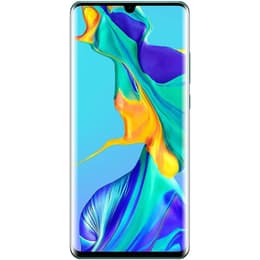
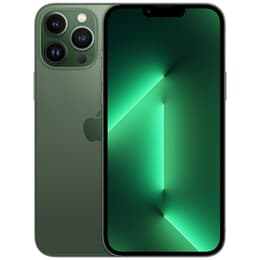
The Huawei P30 Pro, released in March 2019, and the iPhone 13 Pro, launched in September 2021, represent different eras in smartphone technology. While both were flagship devices at their respective launches, they offer distinct user experiences primarily due to their operating systems and the advancements in mobile technology over the two-and-a-half-year gap. The P30 Pro runs on Android with Huawei's EMUI, while the iPhone 13 Pro operates on Apple's iOS, leading to fundamental differences in interface, app ecosystem, and software support longevity. Key differentiators include camera capabilities, display technology, and overall performance.
Colour
Storage
When considering the long-term usability of these devices, their release timelines and software support are significant factors.
Year of Release
Compatible with latest Update
OS
Foldable
The performance of a smartphone is largely determined by its internal components and how efficiently its software utilizes them.
The visual experience on a smartphone is heavily influenced by its display technology and specifications.
Resolution
Screen type
Both devices were celebrated for their camera systems at launch, though they approach mobile photography with different strengths.
Main camera
Front camera
Beyond core performance and camera, several practical features contribute to the overall user experience.
Weight
Screen size (in)
Network
SIM card
Carrier compatibility
The Huawei P30 Pro and iPhone 13 Pro cater to different user preferences and priorities, largely influenced by their respective release dates and operating systems. Users often praise the P30 Pro for its groundbreaking camera zoom capabilities and impressive low-light photography, which were ahead of their time. Its battery life was also a frequent highlight for many. However, common criticisms in the current landscape often revolve around its aging software support and the diminishing availability of newer Android applications and security updates.
Conversely, the iPhone 13 Pro is frequently lauded for its powerful and efficient performance, the fluidity of its ProMotion display, and its consistently high-quality camera system, particularly for video recording and computational photography features like Cinematic Mode. Users appreciate the long-term software support and the robust iOS ecosystem. Some common concerns might include its proprietary Lightning port and the relatively higher repair costs for certain components, especially for third-party repairs due to software limitations.
Users prioritizing an expansive camera zoom, a larger display, and a more open Android ecosystem may find the Huawei P30 Pro still offers a capable experience, especially as a quality-assured refurbished option. Those who value cutting-edge performance, extended software longevity, a smoother display, and a highly integrated ecosystem with advanced video capabilities will likely lean towards the iPhone 13 Pro. Both devices, when considered as refurbished options, provide an eco-friendly alternative for consumers seeking reliable technology.







