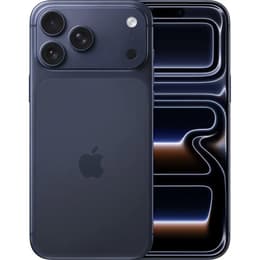


Compare models
iPhone 17 Vs iPhone 17 Pro Max
- 1-year minimum warranty
- Free delivery on all orders
- Free 30-day returns
Differences at a glance
The iPhone 17 (2025) and iPhone 17 Pro Max (2025) are flagship smartphones from Apple's nineteenth device generation. While both models share a foundational release year and run on the same modern operating system architecture, they target distinct user needs through differences in physical scale, camera capabilities, and internal processing capacity. This comparison outlines how each device serves different daily routines without favoring one model over the other.
Available Models
Colour
Storage
Scores
Durability
Both devices launched simultaneously in late 2025 and share identical initial software support baselines, though physical durability design and internal memory configurations differ.
- Software Longevity: Both models receive identical multi-year operating system update schedules, ensuring equivalent software feature lifespans.
- Repairability and Build: Both devices feature robust water resistance ratings and reinforced glass protections, maintaining standard electronic repair pathways.
- Expected Lifespan: The Pro Max includes higher RAM capacity which may assist with sustained background multitasking over many years of continuous use.
Year of Release
2025
2025
Compatible with latest Update
Yes
Yes
OS
iOS
iOS
Foldable
No
No
Performance
Daily responsiveness and multitasking capabilities vary based on internal hardware configurations and thermal management between the two models.
- Multitasking and Speed: Both devices handle demanding applications and rapid switching smoothly, though the Pro Max includes extra memory headroom for sustained heavy workloads.
- Storage Selections: The base model offers standard storage tiers starting at larger capacities, whereas the Pro Max extends up to ultra-high storage configurations for extensive media collections.
- Battery Behavior: The larger physical footprint of the Pro Max houses a higher-capacity battery designed to extend usage times during intensive daily tasks.
Screen quality
Viewing experiences differ primarily through screen dimensions and physical workspace area rather than panel technology quality.
- Display Technology: Both smartphones utilize advanced OLED panels featuring high peak brightness levels for outdoor visibility and smooth adaptive refresh rates.
- Screen Size: The standard model provides a compact viewing area suited for single-handed navigation, while the Pro Max offers an expanded canvas for media consumption and document editing.
- Visual Clarity: Both screens maintain high pixel density standards, delivering crisp text and vibrant color reproduction across everyday applications.
Resolution
2622x1206
2868x1320
Screen type
Super Retina XDR
Super Retina XDR
Audiovisual
Photography and recording hardware differ significantly in versatility, catering to casual shooters versus mobile content creators.
- Camera Systems: The standard model features a dual-lens setup focused on everyday snapshots, whereas the Pro Max incorporates a triple-lens array with advanced optical zoom capabilities.
- Low-Light and Video: Both devices capture clear details in dim environments, but the Pro Max includes professional-grade video codecs and specialized stabilization features for creators.
- Audio and Media Output: Stereo speakers on both smartphones deliver clear sound for calls and media playback, supported by multi-microphone arrays for recording.
Main camera
48 megapixels
48 megapixels
Front camera
18 megapixels
18 megapixels
Miscellaneous
Physical handling characteristics and connectivity standards define the practical daily experience of carrying each device.
- Dimensions and Weight: The standard model is lighter and more compact for pocket storage, whereas the Pro Max features a noticeably heavier and wider frame that requires two-handed use for comfort.
- Connectivity: Both models support modern high-speed cellular networks, short-range wireless protocols, and universal USB-C charging standards.
- Biometrics: Secure facial recognition sensors are integrated into both designs for authentication and authorization tasks.
Weight
177 g
233 g
Screen size (in)
6.3
6.9
Network
5G
5G
SIM card
eSIM
eSIM
Carrier compatibility
Unlocked
Unlocked
Connector
USB-C
USB-C
What the community thinks
User feedback highlights the iPhone 17 for its comfortable, lightweight form factor and reliable daily performance, though some users note the dual-camera system lacks extended zoom reach. Conversely, the iPhone 17 Pro Max receives praise for its expansive display and extensive battery endurance, with criticisms centered primarily on its heavier physical footprint and larger pocket presence. Consumers seeking a quality-assured refurbished option can explore these sustainable choices through Back Market to make an environmentally conscious purchase.
Users prioritizing a lightweight device for comfortable one-handed operation may prefer the standard model, while users prioritizing maximum screen workspace and extended battery runtime will lean toward the Pro Max. Selecting the right device depends entirely on balancing physical dimensions against specific media and performance requirements.