

Compare models
Galaxy A50 Vs iPhone 8
- 1-year minimum warranty
- Free delivery on all orders
- Free 30-day returns
Differences at a glance
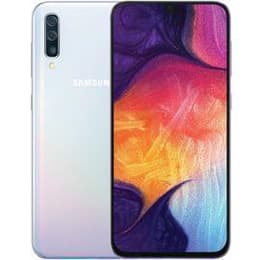
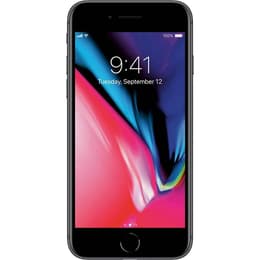
The Samsung Galaxy A50, an Android smartphone, was introduced in February 2019, while the Apple iPhone 8, an iOS device, made its debut in September 2017. These two smartphones, though from different ecosystems, offer distinct experiences shaped by their respective release timelines and design philosophies. Key differentiators include their operating systems, display technologies, and camera configurations, catering to varying user preferences.
Available Models
Colour
Storage (GB)
Scores
Durability
When considering the long-term usability of these devices, their release dates and subsequent software support are important factors.
- Release Timeline: The iPhone 8, released in September 2017, is an older device compared to the Galaxy A50, which launched in February 2019. This age difference impacts their remaining software support and overall practical lifespan.
- Software Longevity: The Galaxy A50 launched with Android 9.0 Pie and received updates up to Android 11, with official software support ending around April 2023. The iPhone 8, starting with iOS 11, received updates up to iOS 16.7.15, indicating a longer period of software support from its manufacturer.
- Repairability: The Galaxy A50 generally has a repairability score of 7.0 out of 10, with aspects like battery and screen accessibility noted as positives, though adhesive use for the back cover and battery can complicate repairs. The iPhone 8 received a repairability score of 6 out of 10, with the display and battery being relatively easy to replace, but the glass back is particularly challenging to repair due to strong adhesive.
Year of Release
2019
2017
Compatible with latest Update
No
No
OS
Android
iOS
Foldable
No
No
Performance
The performance of a smartphone is crucial for daily tasks, from app usage to multitasking and gaming.
- Storage Flexibility: The Galaxy A50 offers internal storage options of 64GB or 128GB and includes a microSD card slot for expandable storage up to 512GB, providing significant flexibility for users with large media libraries. The iPhone 8 comes with 64GB, 128GB, or 256GB of internal storage, but does not support expandable storage.
- Battery Endurance: The Galaxy A50 is equipped with a 4000 mAh battery, which users often report as lasting a full day even with heavy usage, sometimes achieving over eight hours of screen-on time. It supports 15W fast charging. The iPhone 8 features a smaller 1821 mAh battery, which typically provides sufficient power for a day of moderate use and supports both fast charging and wireless charging.
- System Responsiveness: The Galaxy A50 handles everyday applications and web browsing adequately, but some users have noted that it can experience slowdowns when many applications are open or during demanding gaming sessions. The iPhone 8, with its optimized hardware and software, generally delivers a smooth and responsive user experience, handling multitasking and graphically intensive applications effectively.
Screen quality
The display is a primary interface for smartphone interaction, and both devices offer different visual experiences.
- Display Technology and Size: The Galaxy A50 features a larger 6.4-inch Super AMOLED display, known for its vibrant colors and deep blacks. The iPhone 8 has a more compact 4.7-inch Retina HD LCD display with IPS technology, offering good color accuracy and wide viewing angles.
- Resolution and Clarity: The Galaxy A50 provides a resolution of 2340 x 1080 pixels, resulting in a pixel density of approximately 403 pixels per inch (ppi), offering sharp visuals. The iPhone 8 has a resolution of 1334 x 750 pixels, with a pixel density of 326 ppi.
- Brightness and Features: The Galaxy A50's display can reach a typical brightness of 550 nits, providing good visibility in various lighting conditions. The iPhone 8's display offers a typical maximum brightness of 625 nits and includes True Tone technology, which automatically adjusts the white balance to match the ambient light. Both devices feature a standard 60Hz refresh rate.
Resolution
1080 x 2340
750 x 1334
Screen type
Super AMOLED
Retina IPS LCD
Audiovisual
The camera systems on both phones cater to different photographic needs and preferences.
- Rear Camera Setup: The Galaxy A50 boasts a versatile triple-camera system on the rear, comprising a 25MP wide-angle lens, an 8MP ultra-wide lens, and a 5MP depth sensor for portrait effects. The iPhone 8 features a single 12MP wide-angle rear camera with an f/1.8 aperture and optical image stabilization.
- Photography Performance: In well-lit conditions, the Galaxy A50 captures photos with good detail and vibrant colors, benefiting from features like scene optimization and auto HDR. However, its low-light performance can show increased noise and softness. The iPhone 8 also performs well in good lighting, producing natural colors and good detail, though low-light results can be inconsistent.
- Video Capabilities and Front Camera: The Galaxy A50 supports 1080p video recording, with some variants capable of 4K, and its ultra-wide lens can also be used for video. It has a 25MP front-facing camera that delivers detailed selfies. The iPhone 8 can record 4K video at various frame rates (24, 30, or 60 fps) and offers 1080p slow-motion video. Its 7MP front camera is suitable for video calls and selfies.
Main camera
25 megapixels
12 megapixels
Front camera
25 megapixels
7 megapixels
Miscellaneous
Beyond core features, several practical elements contribute to the overall user experience of these smartphones.
- Connectivity Standards: Both devices support modern wireless connectivity standards, including Wi-Fi (802.11 a/b/g/n/ac) and Bluetooth 5.0, ensuring reliable connections for internet access and peripheral devices. The iPhone 8 supports 4G LTE, while the Galaxy A50 also offers 4G connectivity.
- Physical Ports: The Galaxy A50 features a USB-C port for charging and data transfer, alongside a traditional 3.5mm headphone jack, offering broad compatibility with audio accessories. The iPhone 8 utilizes Apple's proprietary Lightning connector for charging and data, and it does not include a 3.5mm headphone jack.
- Biometric Security and Sensors: The Galaxy A50 incorporates an in-display optical fingerprint sensor for secure unlocking, along with standard sensors like an accelerometer, gyroscope, proximity sensor, and compass. The iPhone 8 relies on Touch ID, an integrated fingerprint sensor within its home button, and includes an accelerometer, gyroscope, proximity sensor, ambient light sensor, and barometer.
- Design and Handling: The Galaxy A50 has dimensions of 158.5 x 74.7 x 7.7 mm and weighs 166g, featuring a plastic back and frame with a Gorilla Glass 3 front. The iPhone 8 is more compact at 138.4 x 67.3 x 7.3 mm and weighs 148g, with a glass front and back and an aluminum frame, offering IP67 water and dust resistance.
Weight
168 g
148 g
Screen size (in)
6.4
4.7
Network
4G
4G
SIM card
Dual Physical SIM
Physical SIM
Carrier compatibility
Unlocked
Unlocked
What the community thinks
The Samsung Galaxy A50 and iPhone 8, while both older models, continue to offer functional smartphone experiences, each with its own set of strengths and considerations based on user feedback.
Users frequently praise the Galaxy A50 for its vibrant Super AMOLED display, which provides deep blacks and rich colors, making it enjoyable for media consumption. Its long-lasting 4000 mAh battery is another common highlight, often cited for easily getting through a full day of use. The inclusion of a 3.5mm headphone jack and expandable storage are also appreciated by many. However, criticisms often point to its low-light camera performance, which can result in noisy and soft images, and occasional performance slowdowns when multitasking heavily. The in-display fingerprint sensor has also been noted by some users as inconsistent.
The iPhone 8 is often lauded for its smooth and consistent performance, attributed to its optimized operating system and processing power, which ensures a fluid user experience even with demanding applications. Its compact size and reliable Touch ID fingerprint sensor are also frequently mentioned as positives. On the other hand, common criticisms include its older design aesthetic, the smaller battery capacity compared to many Android counterparts, and the single rear camera setup which lacks the versatility of multi-lens systems. The LCD display, while high-quality, is also seen as a drawback by some when compared to the OLED technology found in newer devices.
Users prioritizing a larger, more vibrant display, extended battery life, and the flexibility of expandable storage and a headphone jack may find the Galaxy A50 well-suited to their needs. Conversely, those who value a compact form factor, consistent software performance, and a robust ecosystem with a longer history of software updates might lean towards the iPhone 8. Both devices remain viable options, especially as quality-assured refurbished options, offering an eco-friendly alternative for consumers seeking reliable technology without the environmental impact of new manufacturing.