

Compare models
Google Pixel 9a Vs Google Pixel Fold
- 1-year minimum warranty
- Free delivery on all orders
- Free 30-day returns
Differences at a glance
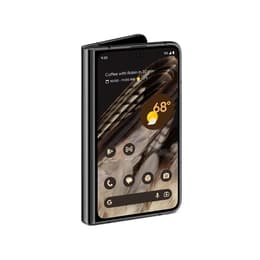
The Google Pixel 9a (2025) and the Google Pixel Fold (2023) represent two entirely different form factors within Google's smartphone ecosystem, catering to distinct user preferences. While the Pixel 9a offers a traditional, streamlined smartphone experience with contemporary hardware updates, the Pixel Fold introduces a book-style foldable design that expands into a larger tablet-sized display. Both devices run on the Android operating system, providing a clean software interface and core Google services, but their physical construction and daily utility diverge significantly.
Understanding how these two device concepts differ in everyday usability helps clarify which model suits specific daily routines, whether that involves standard pocketability or expanded multitasking screen space.
Available Models
Colour
Storage
Scores
Durability
When examining longevity and physical durability, both devices offer distinct structural approaches and software support schedules suited to different usage expectations.
- Software Support Timeline: The Pixel 9a benefits from Google's extended multi-year update policy, ensuring prolonged security updates and operating system upgrades compared to the slightly older Pixel Fold release cycle.
- Build and Repairability: The Pixel 9a utilizes a rigid traditional chassis that handles drops predictably, whereas the Pixel Fold features complex hinge mechanics and a flexible inner screen requiring more careful physical handling over time.
- Expected Lifespan: Users prioritizing long-term software currency and structural simplicity will find the Pixel 9a resilient, while the Pixel Fold requires mindfulness regarding its moving parts and folding display layers.
Year of Release
2025
2023
Performance
Daily responsiveness and multitasking capabilities vary between these models, driven by differences in hardware generation and memory allocation.
- Multitasking and Memory: The Pixel 9a handles everyday app switching and background processes smoothly, while the Pixel Fold supports split-screen workflows designed specifically for its expansive folding display area.
- Battery Behavior: The Pixel 9a features a power-efficient traditional build that comfortably sustains a full day of standard use, whereas powering two screens on the Pixel Fold results in faster battery depletion during heavy media consumption or extended tablet-mode tasks.
- Storage and Processing: Both devices offer ample internal storage configurations and current-generation processing speeds that load applications quickly and manage graphic tasks without noticeable stuttering.
Screen quality
Display characteristics form the most prominent dividing line between these two devices, affecting how content is viewed and interacted with daily.
- Display Technology: The Pixel 9a features a bright, flat OLED panel with sharp contrast and accurate colors, while the Pixel Fold utilizes an outer cover screen alongside an inner foldable OLED screen that opens into a tablet format.
- Brightness and Outdoor Legibility: Both models achieve high peak brightness levels for comfortable outdoor visibility, though reflective properties differ slightly between traditional glass and the flexible inner polymer screen layer.
- Refresh Rate and Smoothness: High refresh rate support ensures fluid scrolling and responsive touch interaction across the Pixel 9a display and both screens of the Pixel Fold.
Audiovisual
Photography and media output capabilities reflect different hardware configurations tailored to each device's physical layout.
- Camera Systems: The Pixel 9a relies on a dependable rear dual-lens setup paired with advanced computational photography, while the Pixel Fold incorporates a versatile multi-lens arrangement that allows for flexible angled shooting and selfie capture using the outer screen preview.
- Video and Low Light: Both devices excel at capturing clear low-light imagery and stable video recordings thanks to software optimization, though the Pixel Fold offers unique tabletop framing options without needing a separate stand.
- Audio and Media Output: Stereo speakers on both models deliver clear sound for hands-free calls and casual video viewing, with the Pixel Fold providing a wider soundstage when unfolded in landscape mode.
Miscellaneous
Practical everyday features, physical dimensions, and connectivity options define how comfortably each phone integrates into a user's routine.
- Dimensions and Weight: The Pixel 9a is lightweight and compact for effortless one-handed use, whereas the Pixel Fold is significantly heavier and thicker due to its dual-screen and hinge architecture.
- Connectivity and Ports: Both models support modern 5G networks, Wi-Fi standards, and Bluetooth connections, utilizing a USB-C port for charging and data transfer.
- Security Sensors: Quick biometric authentication is handled via secure face recognition and fingerprint sensors integrated smoothly into the hardware design of both devices.
Screen size (in)
6.3
7.6
Network
5G
5G
SIM card
Physical SIM + eSIM
Physical SIM + eSIM
Carrier compatibility
Unlocked
Unlocked
Connector
USB-C
USB-C
What the community thinks
User feedback on community forums highlights distinct patterns of praise and criticism for both models. Owners of the Pixel 9a frequently commend its reliable battery duration, comfortable one-handed handling, and robust everyday performance without unnecessary complexity. Conversely, Pixel Fold users consistently praise the versatility of the large inner screen for reading, multitasking, and media viewing, though some note the heavier weight and visible screen crease along the folding axis as minor trade-offs.
Users prioritizing a lightweight, pocket-friendly device with long-term software support and straightforward durability may prefer the Pixel 9a. Meanwhile, users who value expansive screen space for productivity, split-screen apps, and media consumption on a portable tablet-style layout will lean toward the Pixel Fold. For those seeking an eco-friendly alternative, both models are widely available as quality-assured refurbished options that extend device lifecycles sustainably.