
iPhone 16e Vs Xiaomi Redmi Note 14 Pro

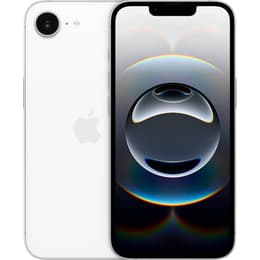
iPhone 16e
iPhone 16e
Starting at

Refurbished price:387.00

Versus €719.00 new

See options
Xiaomi Redmi Note 14 Pro
Starting at

Refurbished price:260.77

Versus €349.99 new

See options

Ratings

The iPhone 16E, released in February 2025, and the Xiaomi Redmi Note 14 Pro, launched in September 2024, represent distinct approaches to smartphone design and functionality. While the iPhone 16E offers a streamlined iOS experience with a focus on integrated performance and a robust camera system, the Redmi Note 14 Pro provides a feature-rich Android platform with a larger display and a versatile multi-lens camera setup. Both devices cater to users seeking capable smartphones, but they differ significantly in their operating systems and core hardware philosophies. For those considering an eco-friendly and quality-assured option, both models are available as refurbished devices, offering a sustainable choice.

Scores

Durability

When considering the long-term usability of a smartphone, factors like software support, physical durability, and repairability are key. The iPhone 16E and the Redmi Note 14 Pro offer different longevity profiles.

  • Software Longevity: The iPhone 16E, running on iOS, typically receives major software updates for an extended period, often 5-6 years from its release. While it was discontinued in March 2026 in favor of a newer model, its software support is expected to continue for several years. The Redmi Note 14 Pro, an Android device, generally receives 2-3 major Android OS updates and 3-5 years of security updates, which is a common practice for its segment. [1, 10, 23]
  • Physical Durability: Both devices feature robust builds. The iPhone 16E incorporates Ceramic Shield on its display and boasts an IP68 rating for dust and water resistance, allowing submersion up to 6 meters for 30 minutes. The Redmi Note 14 Pro is protected by Corning Gorilla Glass Victus 2 on its display and also carries an IP68 rating for dust and water resistance, indicating a high level of protection against environmental elements. [1, 2, 8, 11, 12, 14, 17, 20]
  • Repairability Considerations: Apple has been making strides in improving the repairability of its devices, and the iPhone 16E benefits from these efforts. Information on the specific repairability score for the Redmi Note 14 Pro is less standardized, but generally, Android devices in this category can vary in ease of repair.

Year of Release

2025

2025

OS

iOS

Android

Foldable

No

No

Performance

The performance of a smartphone is crucial for daily tasks, from browsing and social media to demanding applications and gaming. Both the iPhone 16E and the Redmi Note 14 Pro are designed to offer smooth user experiences, though they achieve this with different underlying hardware.

  • Processing Power: The iPhone 16E is equipped with a current-generation Apple processor, featuring a 6-core CPU and a 4-core GPU, alongside a 16-core Neural Engine. This hardware is optimized for efficient handling of complex tasks, advanced computational photography, and artificial intelligence features, ensuring responsive performance across the iOS ecosystem. The Redmi Note 14 Pro is powered by a MediaTek Dimensity 7300 Ultra processor, an octa-core chip built on a 4nm process. This processor is designed to deliver a balanced performance for multitasking, gaming, and everyday applications within the Android environment. [1, 10, 12, 13]
  • Multitasking and Storage: The iPhone 16E comes with 8GB of RAM, providing ample capacity for running multiple applications simultaneously without significant slowdowns. It offers storage options of 128GB, 256GB, and 512GB. The Redmi Note 14 Pro is available with 8GB or 12GB of RAM, which can be beneficial for heavy multitasking and demanding games. Its storage options include 128GB, 256GB, and 512GB, with some variants offering expandable storage up to 1TB via a hybrid slot. [1, 4, 9, 11, 13]
  • Battery Behavior: The iPhone 16E features a 4005 mAh battery, providing up to 26 hours of video playback and 90 hours of audio playback, indicating strong endurance for a device of its size. The Redmi Note 14 Pro houses a larger 5500 mAh battery, which, combined with its efficient processor, is designed to support extended usage throughout the day. It also supports 45W fast charging for quicker power replenishment. [1, 7, 8, 12, 14, 22]

Memory (GB)

8 GB

8 GB

Screen quality

The display is a primary interface for smartphone interaction, and both devices offer vibrant and clear viewing experiences with distinct characteristics.

  • Display Technology and Clarity: The iPhone 16E features a 6.1-inch Super Retina XDR OLED display with a resolution of 2532 x 1170 pixels, resulting in a pixel density of 460 PPI. This OLED panel delivers deep blacks and vibrant colors, suitable for media consumption and general use. The Redmi Note 14 Pro sports a larger 6.67-inch AMOLED display with a resolution of 1220 x 2712 pixels, offering a pixel density of 446 PPI. Its AMOLED technology also provides rich colors and strong contrast. [1, 2, 7, 10, 12, 13, 23]
  • Brightness and Refresh Rate: The iPhone 16E's display offers a typical maximum brightness of 800 nits and a peak HDR brightness of 1200 nits, ensuring good visibility in various lighting conditions. It operates at a standard 60Hz refresh rate. The Redmi Note 14 Pro's display can reach a peak brightness of 1800 nits, with some reports suggesting up to 3000 nits, making it highly visible even in bright outdoor environments. It also features a smoother 120Hz refresh rate, which enhances the fluidity of scrolling and animations. [2, 7, 10, 12, 17, 19, 24]
  • Viewing Experience: The iPhone 16E maintains a traditional notch design for its front camera and sensors, offering a consistent Apple aesthetic. The Redmi Note 14 Pro utilizes a punch-hole cutout for its front camera and features a micro-curved display, contributing to a more expansive viewing area. [1, 2, 5, 8, 19]

Resolution

2532x1170

1080x2400

Audiovisual

Camera capabilities are a significant consideration for many users, and both smartphones offer advanced systems for capturing photos and videos.

  • Rear Camera Systems: The iPhone 16E is equipped with a 48MP Fusion main camera with an f/1.6 aperture and optical image stabilization (OIS). This single lens system can also achieve optical-quality 2x telephoto zoom through sensor cropping. It benefits from Apple's computational photography features like Smart HDR 5, Photonic Engine, and Deep Fusion. The Redmi Note 14 Pro features a versatile triple-camera setup, typically including a 200MP main sensor with OIS, an 8MP ultra-wide-angle lens, and a 2MP macro sensor. This configuration allows for a wider range of photographic styles. [1, 3, 7, 10, 12, 14, 17, 19, 22]
  • Photography Performance: The iPhone 16E is known for its consistent image quality, accurate color reproduction, and strong low-light performance, particularly for its main sensor. The Redmi Note 14 Pro, with its high-megapixel main sensor, aims to capture detailed images, and its ultra-wide lens provides flexibility for landscape and group shots. Both devices offer portrait modes and various photographic enhancements. [1, 12, 17]
  • Video Recording and Front Camera: Both phones are capable of recording high-quality video. The iPhone 16E supports 4K Dolby Vision video recording at various frame rates and features a 12MP TrueDepth front camera with autofocus, capable of 4K video. The Redmi Note 14 Pro can record 4K video and typically includes a 20MP front-facing camera, suitable for detailed selfies and video calls. [1, 10, 12, 13, 22]

Front camera

TrueDepth 12MP

32 MP

Miscellaneous

Beyond core performance and display, several practical features contribute to the overall user experience of these devices.

  • Connectivity and Ports: Both the iPhone 16E and the Redmi Note 14 Pro support 5G connectivity, Wi-Fi 6, and Bluetooth 5.3, ensuring fast wireless communication. The iPhone 16E features a USB-C port for charging and data transfer, and supports dual eSIM in some regions or a nano-SIM with eSIM elsewhere. The Redmi Note 14 Pro also uses a USB-C port and typically includes a 3.5mm headphone jack, offering more audio connectivity options. It supports dual nano-SIM cards, with some variants offering a hybrid slot for expandable storage. [1, 3, 7, 9, 10, 11, 12, 23]
  • Biometric Security and Navigation: The iPhone 16E relies on Face ID for secure facial recognition and authentication. It also includes an Action Button, which can be customized for quick access to various functions. The Redmi Note 14 Pro typically features an in-screen fingerprint sensor for biometric security and also supports AI Face Unlock. [2, 7, 17, 19]
  • Physical Characteristics: The iPhone 16E measures 146.7 x 71.5 x 7.8 mm and weighs 167 grams, making it a relatively compact and lightweight device. The Redmi Note 14 Pro is larger and slightly heavier, with dimensions around 162.16 x 74.92 x 8.24 mm and a weight between 180-190 grams. These differences impact one-handed use and pocketability. [1, 7, 8, 9, 11, 23]

Weight

167 g

180 g

Screen size (in)

6.1

6.67

Network

5G

4G

SIM card

eSIM

Dual Physical SIM

Carrier compatibility

Unlocked

Unlocked

User feedback for the iPhone 16E often highlights its seamless integration within the Apple ecosystem, consistent performance for everyday tasks, and the reliability of its camera system. Users appreciate the long-term software support and the intuitive nature of iOS. Some common observations include its 60Hz display refresh rate, which might feel less fluid compared to higher refresh rate screens, and the continued use of a notch design. The Action Button and Apple Intelligence features are generally well-received for enhancing usability and smart capabilities. [1, 2, 19]

For the Xiaomi Redmi Note 14 Pro, users frequently praise its large, vibrant 120Hz AMOLED display, which offers a smooth visual experience. The device's strong battery life and fast charging capabilities are also often cited as significant advantages. The versatility of its multi-lens camera system and the inclusion of a 3.5mm headphone jack are often appreciated. Some users might note the presence of pre-installed applications or the potential for varying software update timelines compared to premium flagships. [7, 9, 10, 17]

Users prioritizing a compact device with a highly integrated software experience, robust security features like Face ID, and a consistently performing camera for general photography may find the iPhone 16E well-suited to their needs. Its strong ecosystem and long-term software commitment are key considerations. Conversely, users who value a larger, high-refresh-rate display for media consumption and gaming, extended battery life with fast charging, and a more versatile camera system with a dedicated ultra-wide lens might lean towards the Redmi Note 14 Pro. Its Android operating system also offers greater customization options. Both devices, when chosen as quality-assured refurbished options, provide an excellent way to access advanced technology while making an environmentally conscious decision.


See all articles

Our recent comparisons