

Galaxy S22 5G Vs iPhone 17

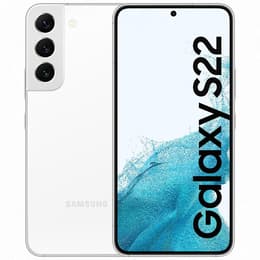
Galaxy S22 5G
Galaxy S22 5G
Starting at

Refurbished price:174.00

Versus €851.00 new

See options
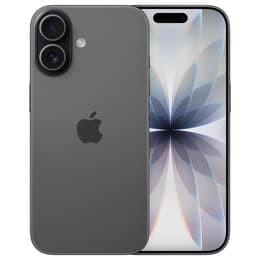
iPhone 17
iPhone 17
Starting at

Refurbished price:704.00

Versus €979.00 new

See options

Ratings

The Samsung Galaxy S22 5G, released in February 2022, and the iPhone 17, launched in September 2025, represent different generations of flagship smartphones. While the Galaxy S22 operates on the Android platform with Samsung's One UI, the iPhone 17 runs on Apple's iOS, specifically iOS 26. The primary distinctions between these devices lie in their processing power, display advancements, and camera capabilities, reflecting the technological progress over their respective release cycles.

Scores

Durability

The longevity of a smartphone is influenced by its release timeline, software support, and physical durability. These two devices, separated by over three years in their launch, offer different expectations in these areas.

  • Release Timeline: The Galaxy S22 5G was introduced in February 2022, while the iPhone 17 became available in September 2025. This difference means the iPhone 17 benefits from more recent technological advancements and a longer expected period of software support.
  • OS Support Duration: Samsung typically provides around four years of major Android operating system updates and five years of security updates for its flagship devices. The iPhone 17, running iOS 26 at launch, is expected to receive major iOS updates for approximately five to six years from its release, offering a potentially longer software lifespan.
  • Physical Durability: Both devices feature robust builds. The Galaxy S22 5G incorporates Gorilla Glass Victus+ on its front and back, along with an aluminum frame and an IP68 rating for dust and water resistance. The iPhone 17 features Ceramic Shield 2 on its front glass, which Apple states offers enhanced scratch resistance, a matte glass back, and an aluminum frame, also with an IP68 rating.

Year of Release

2022

2025

Compatible with latest Update

Yes

Yes

OS

Android

iOS

Foldable

No

No

Performance

Performance is a key differentiator, impacting how smoothly applications run, how quickly tasks are completed, and the overall responsiveness of the device. The Galaxy S22 5G and iPhone 17 offer distinct performance profiles due to their different hardware generations.

  • Processing Capabilities: The Galaxy S22 5G is powered by a processor that handles demanding applications and multitasking efficiently for its generation. The iPhone 17, featuring the A19 chip, offers a more advanced processing architecture, resulting in smoother performance for graphics-intensive games, complex computational tasks, and advanced AI features.
  • System Responsiveness: Users of the Galaxy S22 5G can expect a fluid experience for everyday navigation and app usage. The iPhone 17 provides a highly responsive user interface, with applications launching quickly and transitions appearing seamless, benefiting from its newer processor and optimized software.
  • Storage and Multitasking: Both devices offer various internal storage options, with the iPhone 17 starting at a higher base storage capacity. The amount of internal memory in both devices supports efficient multitasking, allowing users to switch between multiple open applications without significant slowdowns.
  • Battery Behavior: The Galaxy S22 5G is equipped with a 3700 mAh battery, providing power for a full day of moderate use. The iPhone 17 is designed for extended usage, with Apple reporting up to 30 hours of video playback, indicating significant endurance for media consumption and general daily tasks.

Memory (GB)

8 GB

8 GB

Screen quality

The display is the primary interface for interacting with a smartphone, and both the Galaxy S22 5G and iPhone 17 offer high-quality viewing experiences with notable differences in technology and features.

  • Display Technology and Clarity: The Galaxy S22 5G features a 6.1-inch Dynamic AMOLED 2X display with a resolution of 1080 x 2340 pixels, providing sharp and vibrant visuals. The iPhone 17 comes with a slightly larger 6.3-inch Super Retina XDR OLED display, offering a resolution of 2622 x 1206 pixels, which translates to a high pixel density for clear images and text.
  • Brightness and Outdoor Visibility: The Galaxy S22 5G's display can reach a peak brightness of 1300 nits, ensuring good visibility in various lighting conditions. The iPhone 17 significantly enhances outdoor viewing with a peak outdoor brightness of 3000 nits, alongside a typical brightness of 1000 nits and HDR peak brightness of 1600 nits, making content highly legible even in direct sunlight.
  • Refresh Rate and Smoothness: Both devices feature a 120Hz refresh rate, which contributes to smoother scrolling, more fluid animations, and an improved experience in compatible games. The iPhone 17's ProMotion technology allows for adaptive refresh rates, optimizing power consumption. The iPhone 17 also includes an Always-On display feature.

Resolution

1080 x 2340

2622x1206

Screen type

Dynamic AMOLED 2X

Super Retina XDR

Audiovisual

Camera systems are a crucial aspect of modern smartphones, and both the Galaxy S22 5G and iPhone 17 are equipped to capture high-quality photos and videos, though with different configurations and capabilities.

  • Rear Camera System: The Galaxy S22 5G features a versatile triple-camera setup, including a 50 MP wide lens, a 10 MP telephoto lens with 3x optical zoom, and a 12 MP ultrawide lens. This configuration allows for a range of photographic styles, from expansive landscapes to detailed close-ups. The iPhone 17 sports a dual-lens rear camera system, comprising a 48-megapixel "Fusion" wide-angle lens and a 48-megapixel ultra-wide-angle lens, offering 2x optical zoom capabilities.
  • Photography Performance: The Galaxy S22 5G delivers strong performance in various lighting conditions, with its main sensor capturing detailed images. The iPhone 17's camera system benefits from improved low-light performance and advanced computational photography, aiming for consistent quality across its lenses.
  • Video Recording and Front Camera: The Galaxy S22 5G is capable of recording video at up to 8K resolution at 24fps and 4K at 30/60fps. Its front camera is a 10 MP sensor. The iPhone 17 supports 4K Dolby Vision video recording and features an 18-megapixel front-facing camera with a "Center Stage" feature that provides a wider field of view for improved selfies and video calls.
  • Audio for Media: Both devices offer stereo speakers for an immersive audio experience during media consumption. The Galaxy S22 5G does not include a 3.5mm headphone jack.

Main camera

50 megapixels

48 megapixels

Front camera

10 megapixels

18 megapixels

Miscellaneous

Beyond core features, several practical elements contribute to the overall user experience, including connectivity, physical design, and additional functionalities.

  • Connectivity Standards: The Galaxy S22 5G supports 5G networks, Wi-Fi 6, and Bluetooth 5.2. The iPhone 17 features more advanced connectivity with 5G (utilizing a Qualcomm X80 modem), Wi-Fi 7, and Bluetooth 6.0, enabled by Apple's N1 networking chip, offering faster and more efficient wireless connections.
  • Ports and Biometrics: Both smartphones utilize a USB-C port for charging and data transfer. The Galaxy S22 5G includes an under-display fingerprint sensor for secure unlocking. The iPhone 17 relies on Face ID for biometric authentication.
  • Design and Handling: The Galaxy S22 5G measures 146 x 70.6 x 7.6 mm and weighs 167/168 grams, offering a compact and manageable form factor. The iPhone 17 is slightly larger and heavier at 149.6 mm tall, 71.5 mm wide, 7.95mm deep, and weighing 177 grams, featuring an aluminum frame and glass construction. Both devices carry an IP68 rating for water and dust resistance.

Weight

195 g

177 g

Screen size (in)

6.1

6.3

Network

5G

5G

SIM card

Physical SIM + eSIM

eSIM

Carrier compatibility

Unlocked

Unlocked

Connector

USB-C + Jack 3.5mm

USB-C

User sentiment for the Galaxy S22 5G often highlights its compact design, vibrant display, and capable camera system as praise points. Some users have noted its battery life as a point of concern for heavy usage, and the processor performance, while strong for its time, has been surpassed by newer generations. The iPhone 17, being a more recent release, is praised for its significant advancements in display technology, including higher peak brightness and the inclusion of ProMotion across all models, as well as its enhanced processing power and improved battery endurance. Its upgraded camera system, particularly the higher-resolution front and ultra-wide lenses, also receives positive attention. Potential criticisms for the iPhone 17 might revolve around its iterative design changes compared to its immediate predecessor, though it still represents a substantial upgrade from older models.

Users prioritizing a more compact Android experience with a versatile camera and a vibrant display may find the Galaxy S22 5G well-suited to their needs. It remains a capable device for everyday tasks and photography. Conversely, users who prioritize the latest in mobile processing power, extended battery life, a brighter and more fluid display, and advanced camera features, along with a longer software support window, will likely lean towards the iPhone 17. Its newer hardware and software optimizations make it a strong contender for those seeking a device that will remain current for a longer period. For those considering either device, exploring quality-assured refurbished options can provide an eco-friendly alternative to purchasing new, allowing for informed and sustainable choices.


See all articles

Our recent comparisons






