
iPhone 15 Vs iPhone 16 Plus

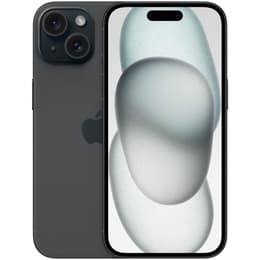
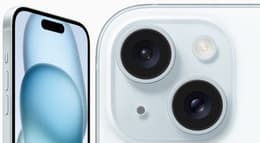
iPhone 15
iPhone 15
Starting at

Refurbished price:399.00

Versus €879.00 new

See options
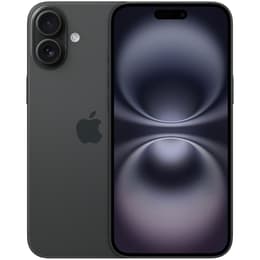
iPhone 16 Plus
iPhone 16 Plus
Starting at

Refurbished price:559.00

Versus €979.00 new

See options

Ratings

The iPhone 15, released in September 2023, and the iPhone 16 Plus, launched in September 2024, represent two distinct offerings within Apple's smartphone lineup. While both devices operate on the iOS ecosystem, the iPhone 16 Plus distinguishes itself with a larger display, an updated processor, and enhanced camera capabilities, catering to users seeking a more expansive and slightly more advanced experience.

Scores

Durability

Both the iPhone 15 and iPhone 16 Plus are built with durability in mind, featuring a Ceramic Shield front and an aluminum design, contributing to their expected longevity.

  • Release Timeline and Software Support: The iPhone 15, from 2023, and the iPhone 16 Plus, from 2024, are both expected to receive iOS updates for approximately 5-6 years from their respective release dates. This means the iPhone 16 Plus will likely benefit from one additional year of software support compared to its predecessor.
  • Physical Durability: Both models feature Ceramic Shield on the front and an IP68 rating for water and dust resistance, indicating resilience against everyday elements. User tests suggest the iPhone 15 exhibits good scratch resistance, with marks appearing at level 6 or 7 on the Mohs hardness scale, and it generally passes bend tests. The iPhone 16 Plus shows improved scratch resistance, with very faint marks at level 6 and more visible ones at level 7, and also demonstrates good structural strength.
  • Practical Lifespan: Given Apple's consistent software support and the robust build quality of both devices, users can expect a practical lifespan of several years, making either a suitable option, especially when considering a quality-assured refurbished alternative.

Year of Release

2023

2024

Compatible with latest Update

Yes

Yes

Foldable

No

No

Performance

Performance is a key area where the newer iPhone 16 Plus offers advancements over the iPhone 15, particularly for demanding tasks and multitasking.

  • Processing Power: The iPhone 15 is powered by a capable processor that handles everyday applications and multitasking smoothly, providing a responsive user experience. The iPhone 16 Plus features a newer generation processor, offering improved efficiency and greater performance headroom for more intensive applications, advanced gaming, and future software features.
  • Multitasking and Responsiveness: The iPhone 15 comes with 6GB of RAM, which is sufficient for most users' multitasking needs. The iPhone 16 Plus includes 8GB of RAM, allowing for more applications to run simultaneously in the background and contributing to an even smoother overall system responsiveness, particularly when switching between heavy apps.
  • Storage Options: Both devices offer identical storage configurations, starting at 128GB and extending to 256GB and 512GB, providing ample space for apps, photos, and videos for most users.

Memory (GB)

6 GB

8 GB

Screen quality

The visual experience on both iPhones is vibrant, though the iPhone 16 Plus provides a larger canvas for content consumption.

  • Display Technology and Size: Both the iPhone 15 and iPhone 16 Plus feature Super Retina XDR OLED displays, known for deep blacks and vibrant colors. The iPhone 15 has a 6.1-inch display, while the iPhone 16 Plus offers a larger 6.7-inch display, providing a more expansive viewing area for media and productivity.
  • Resolution and Brightness: Both displays offer sharp resolutions, with the iPhone 15 at 2556x1179 pixels and the iPhone 16 Plus at 2796x1290 pixels, both maintaining a pixel density of approximately 460 pixels per inch for clear visuals. They also share similar brightness levels, reaching up to 1000 nits typical and 2000 nits peak for outdoor visibility.
  • Refresh Rate: Both the iPhone 15 and iPhone 16 Plus feature a standard 60Hz refresh rate. While this provides a smooth experience for most daily interactions, users accustomed to higher refresh rates on other devices might notice the difference.

Resolution

1179 x 2556

1290 x 2796

Screen type

Super Retina XDR OLED

Super Retina XDR OLED

Audiovisual

Both iPhones offer capable camera systems, with the iPhone 16 Plus introducing refinements and additional features.

  • Main Camera System: The iPhone 15 features a dual-camera system with a 48MP main sensor and a 12MP ultrawide lens. The 48MP main camera utilizes pixel binning to produce detailed 24MP photos by default and offers a 2x telephoto option through its quad-pixel sensor. The iPhone 16 Plus also has an advanced dual-camera system with a 48MP Fusion Main camera and a 12MP ultrawide lens, with the ultrawide benefiting from 100% Focus Pixels for improved performance.
  • Photography Features: Both models include features like Photonic Engine, Deep Fusion, and Smart HDR 5 for enhanced image processing, resulting in good detail, dynamic range, and natural colors in various lighting conditions. The iPhone 16 Plus further introduces macro photography support and a dedicated Camera Control button for quick access to camera functions.
  • Video and Front Camera: Both devices are capable of recording 4K video at up to 60 frames per second and feature a 12MP TrueDepth front camera with autofocus for clear selfies and video calls. The iPhone 16 Plus adds spatial video recording capabilities.

Main camera

48 megapixels

48 megapixels

Front camera

12 megapixels

12 megapixels

Miscellaneous

Beyond core features, several practical elements differentiate the user experience of these two iPhone models.

  • Connectivity: The iPhone 15 supports Wi-Fi 6 and Bluetooth 5.3. The iPhone 16 Plus upgrades to Wi-Fi 7 and Bluetooth 5.4, offering potentially faster wireless speeds and improved connectivity with compatible accessories. Both support 5G cellular networks.
  • Ports and Biometrics: Both models have transitioned to a USB-C port for charging and data transfer. They both rely on Face ID for secure authentication.
  • Physical Design and Controls: The iPhone 15 maintains a compact form factor, weighing 171 grams. The iPhone 16 Plus, due to its larger screen, is heavier at 199 grams and has larger dimensions. A notable addition to the iPhone 16 Plus is the Action Button, which can be customized to quickly access various functions like the camera, flashlight, or voice memos.

Weight

171 g

199 g

Screen size (in)

6.1

6.7

Network

5G

5G

SIM card

eSIM

eSIM

Carrier compatibility

Unlocked

Unlocked

Connector

USB-C (USB 2)

USB-C (USB 2)

The iPhone 15 and iPhone 16 Plus cater to slightly different user preferences, with the choice often coming down to screen size, performance needs, and the desire for the latest features.

Users generally praise the iPhone 15 for its capable camera system and solid everyday performance, making it a reliable choice for those seeking a compact and efficient smartphone. Some users have noted occasional graininess or over-sharpening in front camera photos, and the 60Hz display is a point of discussion for those accustomed to higher refresh rates.

The iPhone 16 Plus receives commendation for its significantly improved battery life, larger display, and swift performance, making it well-suited for media consumption and extended use. The inclusion of the Action Button and enhanced camera features are also frequently highlighted as positive additions. However, like the iPhone 15, the 60Hz refresh rate on the Plus model is a common point of feedback from users who desire a smoother scrolling experience.

Users prioritizing a more compact device with strong performance for daily tasks will find the iPhone 15 well-suited to their needs. Those who value a larger display for media, extended battery life, and the incremental performance and camera enhancements of a newer generation, along with the convenience of the Action Button, may lean toward the iPhone 16 Plus. Both models offer a robust iOS experience, and considering a quality-assured refurbished option for either device presents an eco-friendly alternative for making an informed purchasing decision.

See all articles

Our recent comparisons