
iPhone 14 Vs Xiaomi 14T Pro

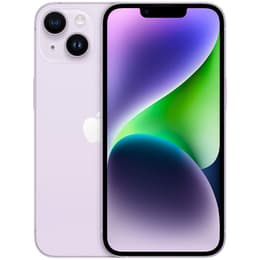
iPhone 14
iPhone 14
Starting at

Refurbished price:287.25

Versus €759.00 new

See options
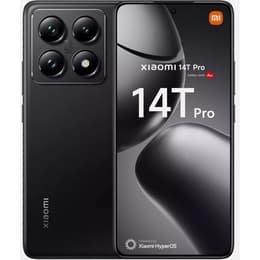
Xiaomi 14T Pro
Xiaomi 14T Pro
Starting at

Refurbished price:395.00

Versus €1,500.00 new

See options

Ratings

The iPhone 14, released in September 2022, and the Xiaomi 14T Pro, launched in September 2024, represent distinct approaches to smartphone design and functionality from two major manufacturers. While the iPhone 14 operates on Apple's iOS ecosystem, the Xiaomi 14T Pro runs on Android with Xiaomi's HyperOS. Key differentiators include their respective operating systems, display technologies, and camera philosophies, catering to varied user preferences.

Scores

Durability

When considering the long-term usability of these devices, their release timelines and software support are significant factors.

  • Software Longevity: The iPhone 14, having been released in 2022, typically receives iOS updates for approximately five to six years from its launch, extending its software support well into the future. The Xiaomi 14T Pro, a 2024 release, is promised four major Android OS updates and five years of security patches, offering a comparable, though slightly different, long-term software commitment. [21, 25]
  • Physical Durability: Both devices feature robust builds designed for everyday resilience. The iPhone 14 incorporates a Ceramic Shield front cover and an aluminum design, alongside an IP68 rating for water and dust resistance. [9, 11] The Xiaomi 14T Pro also boasts an IP68 rating for water and dust resistance, featuring a metal frame and a 3D-curved back, contributing to a solid in-hand feel. [8, 14, 15, 21]
  • Expected Lifespan: Users can expect both smartphones to offer a practical lifespan of several years, supported by ongoing software updates and durable construction. The newer release date of the Xiaomi 14T Pro inherently provides a longer runway for future software support compared to the iPhone 14.

Year of Release

2022

2024

Compatible with latest Update

Yes

Yes

OS

iOS

Android

Foldable

No

No

Performance

Performance is a critical aspect for daily smartphone use, influencing everything from app responsiveness to demanding tasks.

  • Processing Power: The iPhone 14 is equipped with a capable processor that ensures smooth operation for everyday applications, efficient multitasking, and responsive gaming experiences. [3, 22, 23] The Xiaomi 14T Pro features a more recent generation processor, which users report delivers exceptional performance, handling intensive applications and multitasking with notable fluidity, making it well-suited for demanding users and mobile gaming. [16, 17, 26, 27]
  • Multitasking and Storage: The iPhone 14 comes with 6GB of RAM and offers storage options up to 512GB, providing ample space and efficient multitasking for most users. [1, 9] The Xiaomi 14T Pro typically offers 12GB of RAM and storage configurations up to 1TB, which can benefit users who frequently run many applications simultaneously or require extensive local storage for media and files. [7, 8, 18, 21]
  • Battery Performance: The iPhone 14 generally provides all-day battery life for typical usage patterns. [3, 22, 28] The Xiaomi 14T Pro houses a larger battery capacity, which, combined with an efficient processor, contributes to extended usage times, with some users reporting over 13 hours on a single charge with moderate to heavy use. [7, 21, 26] Both devices support fast charging, though the Xiaomi 14T Pro offers significantly faster wired and wireless charging capabilities. [15, 21, 27]

Memory (GB)

6 GB

12 GB

Screen quality

The display is the primary interface for interaction, and both devices offer distinct viewing experiences.

  • Display Technology and Clarity: The iPhone 14 features a 6.1-inch Super Retina XDR OLED display, providing deep blacks, vibrant colors, and a sharp resolution of 2532 x 1170 pixels. [1, 9, 11] The Xiaomi 14T Pro offers a larger 6.67-inch AMOLED display with a resolution of 2712 x 1220 pixels, delivering a clear and immersive visual experience. [8, 10, 15]
  • Brightness and Refresh Rate: The iPhone 14's display reaches a typical brightness of 800 nits and a peak HDR brightness of 1200 nits, ensuring good visibility in various lighting conditions. It operates at a standard 60Hz refresh rate. [1, 9, 23] The Xiaomi 14T Pro features a display with a higher peak brightness of up to 4000 nits and a refresh rate of up to 144Hz, which translates to smoother scrolling and more fluid animations, particularly noticeable in fast-paced content and gaming. [8, 10, 15]
  • Viewing Experience: Users prioritizing a compact form factor with a high-quality OLED panel will find the iPhone 14 suitable. Those who prefer a larger screen with exceptionally high brightness and a very smooth refresh rate for media consumption and gaming may lean towards the Xiaomi 14T Pro.

Resolution

1170 x 2532

1220 x 2712

Screen type

Super Retina XDR OLED

AMOLED

Audiovisual

Camera capabilities are a significant consideration for many users, and both smartphones offer advanced imaging systems.

  • Rear Camera System: The iPhone 14 features a dual 12MP camera system, including a main sensor with a wide f/1.5 aperture and sensor-shift optical image stabilization, alongside an ultra-wide lens. It excels in capturing detailed photos with improved low-light performance, supported by its Photonic Engine. [9, 11, 23] The Xiaomi 14T Pro is equipped with a 50MP main camera, co-engineered with Leica, which users describe as delivering excellent image quality, particularly in night photography. It is part of a triple camera setup. [7, 10, 16, 18, 27]
  • Front Camera and Video Recording: For selfies and video calls, the iPhone 14 includes a 12MP front camera with autofocus. [9, 11, 28] It supports 4K Dolby Vision HDR video recording up to 60 frames per second and features an Action mode for stabilized video capture. [9, 11, 23] The Xiaomi 14T Pro offers a higher-resolution 32MP front camera. [7, 10] It supports video recording up to 8K resolution at 30 frames per second and 4K at 60 frames per second. [10, 25]
  • Photography Focus: The iPhone 14 provides a consistent and reliable photography experience with strong video capabilities and advanced computational photography. The Xiaomi 14T Pro emphasizes high-resolution sensors and professional-grade tuning, appealing to users who value detailed images and versatile shooting modes.

Main camera

12 megapixels

50 megapixels

Front camera

12 megapixels

32 megapixels

Miscellaneous

Beyond core features, several practical elements contribute to the overall user experience.

  • Connectivity and Ports: The iPhone 14 supports 5G connectivity, Wi-Fi 6, and Bluetooth 5.3, utilizing a Lightning port for charging and data transfer. [9, 11] The Xiaomi 14T Pro also offers 5G connectivity, along with the newer Wi-Fi 7 and Bluetooth 5.4 standards, and features a USB Type-C port. [7, 21] Neither device includes a traditional 3.5mm headphone jack. [7]
  • Biometric Security and Additional Features: The iPhone 14 relies on Face ID for secure facial recognition. [11] It also includes safety features like Crash Detection and Emergency SOS via Satellite. [3, 19, 28] The Xiaomi 14T Pro incorporates NFC for mobile payments and an infrared (IR) blaster, allowing it to function as a universal remote control. [7]
  • Design and Handling: The iPhone 14 has a compact design, measuring 146.7 x 71.5 x 7.80 mm and weighing 172 grams, making it comfortable for one-handed use. [9] The Xiaomi 14T Pro is a larger device at 160.4 x 75.1 x 8.4mm and 209 grams, offering a more expansive screen but a heavier feel. [7, 8]

Weight

172 g

209 g

Screen size (in)

6.1

6.67

Network

5G

5G

SIM card

Physical SIM + eSIM

Dual Physical SIM

Carrier compatibility

Unlocked

Unlocked

User feedback for the iPhone 14 often highlights its consistent performance, reliable camera quality, and dependable battery life as strong points. [3, 28] Many appreciate its ease of use and the seamless integration within the iOS ecosystem. [3] However, some users noted that it felt like a modest upgrade from its predecessor, particularly regarding the 60Hz display refresh rate. [3, 19, 23]

For the Xiaomi 14T Pro, common praise centers on its exceptional performance, particularly for demanding tasks and gaming, and its impressive camera system, especially in low-light conditions. [16, 27] The vibrant, high-refresh-rate display and rapid charging capabilities are also frequently lauded. [15, 21] Initial user comments sometimes mentioned the battery life as good but not outstanding, though later reviews indicate strong battery performance. [16, 21]

Users prioritizing a compact device with a highly refined operating system, consistent camera performance, and robust safety features may find the iPhone 14 well-suited to their needs. Its long-term software support and established ecosystem are key advantages. Conversely, individuals seeking a larger, more immersive display with a very high refresh rate, cutting-edge processing power for intensive applications, and extremely fast charging will likely lean towards the Xiaomi 14T Pro. Its advanced camera system and additional features like an IR blaster also cater to a specific set of preferences.

Both devices offer compelling features for different user profiles. For those considering an eco-friendly and quality-assured alternative, exploring refurbished options for either model can provide a sustainable choice without compromising on functionality.


See all articles

Our recent comparisons