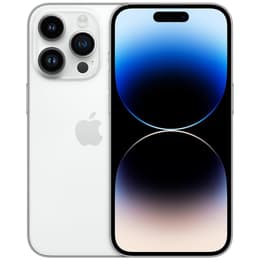
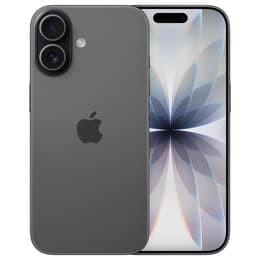

iPhone 14 Pro Vs iPhone 17

iPhone 14 Pro
iPhone 14 Pro
Starting at

Refurbished price:424.00

Versus €1,339.00 new

See options
iPhone 17
iPhone 17
Starting at

Refurbished price:704.00

Versus €979.00 new

See options

Ratings

The iPhone 14 Pro, released in September 2022, and the iPhone 17, launched in September 2025, represent different generations of Apple's smartphone technology. While both operate on Apple's iOS ecosystem, the iPhone 17 introduces advancements in processing power, camera capabilities, and display technology, building upon the foundation set by the 14 Pro.

Scores

Durability

Comparing the longevity of these devices involves looking at their release timelines and expected software support.

  • Release Timeline: The iPhone 14 Pro was released in September 2022, making it a device from a previous generation. The iPhone 17, having been released in September 2025, benefits from being a more recent model.
  • Software Longevity: The iPhone 14 Pro shipped with iOS 16 and is expected to receive major iOS updates until approximately 2029, supporting iOS 26. The iPhone 17, launching with iOS 26.x, will naturally receive software updates for a longer period, extending its functional lifespan further into the future.
  • Physical Durability: Both models feature robust construction with Ceramic Shield on the front for enhanced drop protection and IP68 water and dust resistance. The iPhone 17 incorporates Ceramic Shield 2, which offers improved scratch resistance.

Year of Release

2022

2025

Compatible with latest Update

Yes

Yes

OS

iOS

iOS

Foldable

No

No

Performance

The performance of a smartphone is crucial for daily tasks, app usage, and overall responsiveness.

  • Processing Power: The iPhone 14 Pro is equipped with a capable previous-generation processor, handling demanding applications and multitasking efficiently. The iPhone 17 features a newer, more advanced processor, which provides enhanced speeds for complex tasks, smoother app loading, and improved efficiency for on-device artificial intelligence features.
  • Multitasking and Storage: The iPhone 14 Pro typically comes with 6GB of RAM, supporting smooth transitions between applications. The iPhone 17 includes 8GB of RAM, offering more headroom for intensive multitasking and future software demands. Both devices offer various storage options, with the iPhone 17 starting at a higher base storage of 256GB.
  • Battery Behavior: The iPhone 14 Pro generally provides sufficient battery life for a full day of moderate use, with up to 23 hours of video playback. The iPhone 17, with its larger battery capacity and more efficient processor, offers extended usage, with users reporting it comfortably lasting through a workday and up to 30 hours of video playback.

Memory (GB)

6 GB

8 GB

Screen quality

The visual experience is a key aspect of smartphone interaction, and both devices offer high-quality displays with distinct characteristics.

  • Display Technology and Size: Both the iPhone 14 Pro and iPhone 17 feature Super Retina XDR OLED displays, known for deep blacks and vibrant colors. The iPhone 14 Pro has a 6.1-inch display, while the iPhone 17 offers a slightly larger 6.3-inch screen, providing a more expansive viewing area.
  • Resolution and Brightness: Both displays offer a sharp resolution of approximately 460 pixels per inch, ensuring clear text and detailed images. The iPhone 14 Pro achieves a peak outdoor brightness of 2000 nits. The iPhone 17 enhances this further with a peak outdoor brightness of 3000 nits, improving visibility in bright sunlight.
  • Refresh Rate and Features: Both models incorporate ProMotion technology, offering adaptive refresh rates up to 120Hz for smooth scrolling and responsive interactions, and an Always-On display feature. The iPhone 17 also includes an anti-reflective coating for reduced glare.

Resolution

1179 x 2556

2622x1206

Screen type

LTPO Super Retina XDR OLED

Super Retina XDR

Audiovisual

Camera systems are a primary consideration for many users, and both iPhones offer advanced photographic capabilities with generational improvements.

  • Main Camera System: The iPhone 14 Pro features a 48MP main camera that utilizes a quad-pixel sensor, typically outputting 12MP images but capable of 48MP ProRAW photos. It also includes a 12MP ultra-wide and a 12MP telephoto lens with 3x optical zoom. The iPhone 17 upgrades its dual-camera system with a 48MP Dual Fusion main camera and a 48MP Fusion ultra-wide camera, both capable of super-high-resolution photos (24MP and 48MP). The main camera also enables 2x optical quality telephoto zoom.
  • Low-Light and Video: Both devices excel in low-light conditions, leveraging advanced image processing. Video recording capabilities are robust on both, supporting 4K HDR video. The iPhone 17 introduces Spatial video recording and Dual Capture features.
  • Front Camera: The iPhone 14 Pro has a 12MP front-facing camera with autofocus. The iPhone 17 features an 18MP Center Stage camera, which offers a wider field of view and can adjust to keep subjects centered during video calls.

Main camera

48 megapixels

48 megapixels

Front camera

12 megapixels

18 megapixels

Miscellaneous

Beyond core features, several practical elements contribute to the overall user experience.

  • Connectivity: Both devices support 5G cellular connectivity for fast mobile data. The iPhone 14 Pro uses Wi-Fi 6 and Bluetooth 5.3. The iPhone 17 is expected to feature newer Wi-Fi standards and an Apple-designed networking chip for potentially improved connectivity and efficiency.
  • Ports and Biometrics: The iPhone 14 Pro uses a Lightning port for charging and data transfer. The iPhone 17 has transitioned to a USB-C charging port. Both devices rely on Face ID for secure facial recognition.
  • Design and Handling: The iPhone 14 Pro measures 147.5 x 71.5 x 7.85 mm and weighs 206g. The iPhone 17 is slightly larger at 149.6 x 71.5 x 7.95 mm but lighter at 177g, potentially offering a more comfortable feel despite the larger screen. Both feature an aluminum frame and glass back.

Weight

206 g

177 g

Screen size (in)

6.1

6.3

Network

5G

5G

SIM card

Physical SIM + eSIM

eSIM

Carrier compatibility

Unlocked

Unlocked

Connector

Lightning

USB-C

The iPhone 14 Pro and iPhone 17 offer distinct advantages depending on user priorities. The iPhone 14 Pro, a well-established device, is praised for its robust performance, excellent camera system, and the introduction of features like the Dynamic Island and Always-On display, which were innovative at its release. Users frequently highlight its reliable battery life for daily use. Some criticisms at its launch included the continued use of the Lightning port and the incremental nature of some upgrades compared to its predecessor.

The iPhone 17, as a newer model, builds on these foundations with significant enhancements. Users appreciate its larger, brighter display with improved outdoor visibility, the more powerful and efficient processor, and the upgraded camera system with higher-resolution sensors across the board. The transition to USB-C is also a welcome change for many. Its extended software support and improved battery life are also common points of praise. While specific criticisms are still emerging, the iPhone 17 represents a more refined and future-proof option.

Users prioritizing the latest technology, extended software support, and enhanced camera capabilities, particularly with the upgraded ultra-wide lens and front camera, will find the iPhone 17 well-suited to their needs. Those who value a proven, high-performance device with a still-excellent camera and display, and who may not require the absolute newest features, might find the iPhone 14 Pro to be a strong contender. Both devices offer a premium smartphone experience, and choosing a quality-assured refurbished option for either model can be an eco-friendly alternative to purchasing new.


See all articles

Our recent comparisons






