

Compare models
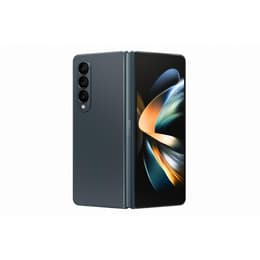
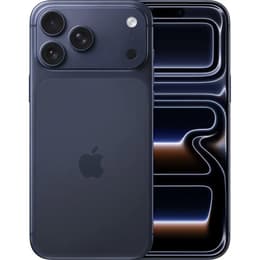
Galaxy Z Fold4 Vs iPhone 17 Pro Max
- 1-year minimum warranty
- Free delivery on all orders
- Free 30-day returns
Differences at a glance
The Samsung Galaxy Z Fold4 (2022) and the Apple iPhone 17 Pro Max (2025) represent two distinct philosophies in premium mobile engineering, pairing a multi-display foldable format with a traditional ultra-large flagship slate design. While both devices cater to users seeking maximum screen estate and high-tier processing capabilities, they approach daily usage through entirely different hardware form factors. Operating on distinct software ecosystems with specialized multitasking suites and interface designs, these smartphones offer unique workflows tailored to contrasting consumer priorities.
Available Models
Colour
Storage
Scores
Durability
When evaluating hardware longevity and support timelines, these devices reflect their different release windows and structural designs. Here is how they compare in practical durability:
- Release Timeline and Software Support: The iPhone 17 Pro Max benefits from a newer 2025 release, securing an extended software support window compared to the Galaxy Z Fold4 from 2022. Both platforms deliver routine operating system updates, though newer hardware naturally aligns with longer active support schedules.
- Physical Resilience and Structure: The iPhone 17 Pro Max incorporates advanced glass-ceramic shielding on a rigid unibody frame, whereas the Galaxy Z Fold4 relies on a complex mechanical hinge and a flexible inner panel. Users handling foldable hardware must navigate mechanical wear over extended periods, while traditional slate structures experience fewer moving parts.
- Repairability and Practical Lifespan: Traditional single-screen flagships generally present simpler repair paths for component replacements. Foldable devices require specialized maintenance for hinge mechanisms and folding panels, influencing long-term ownership considerations.
Year of Release
2022
2025
Compatible with latest Update
Yes
Yes
OS
Android
iOS
Foldable
Yes
No
Performance
Both models deliver rapid execution speeds and handle intensive workloads, though their internal configurations and memory management differ. Here is how they perform in day-to-day scenarios:
- System Responsiveness and Multitasking: Both smartphones transition seamlessly between demanding applications, rapid web browsing, and graphics-heavy gaming without noticeable stutter. Generous RAM allocations on both devices ensure background applications remain active during complex multitasking sessions.
- Storage Configurations: The devices are available in multiple high-capacity tiers to accommodate extensive photo libraries, offline media, and large applications. Neither model supports external storage expansion via memory cards.
- Battery Behavior: The iPhone 17 Pro Max leverages advanced power efficiency to sustain extended periods of heavy use, while the Galaxy Z Fold4 manages energy across two separate screens, requiring more frequent charging during extensive use of the larger inner display.
Screen quality
Display technology represents one of the most significant divergences between these two devices, directly shaping media consumption and productivity. Here is how their screens compare:
- Display Technology and Format: The Galaxy Z Fold4 utilizes a foldable organic light-emitting diode panel that expands from a standard cover screen into a tablet-sized interior display. The iPhone 17 Pro Max features a large, rigid organic light-emitting diode screen with deep contrast levels and uniform brightness across a single viewing plane.
- Visual Clarity and Refresh Rates: Both devices support high refresh rates up to 120Hz, ensuring smooth scrolling, fluid animations, and responsive touch interactions. Resolution standards on both models deliver sharp text rendering and detailed image reproduction.
- Outdoor Visibility: High peak brightness capabilities on both screens allow content to remain legible under direct sunlight, though reflective glare may vary depending on screen protectors and the folding crease angle on the foldable model.
Resolution
1812 x 2176
2868x1320
Screen type
Foldable Dynamic AMOLED 2X
Super Retina XDR
Audiovisual
Imaging hardware and media output capabilities cater to different creative workflows and everyday documentation styles. Here is how their audio-visual suites compare:
- Camera System Versatility: The iPhone 17 Pro Max features a triple high-resolution sensor array optimized for versatile optical zoom ranges and detailed low-light capture. The Galaxy Z Fold4 employs a flexible multi-lens setup that allows unique framing options, such as using the cover screen for self-portraits.
- Video Recording and Audio: Video output on both models includes robust stabilization and high-fidelity sound capture for vlogging or home movies. Internal stereo speakers produce clear audio output suitable for impromptu media viewing without external accessories.
- Call and Microphone Performance: Integrated multi-microphone arrays isolate voice input effectively during calls and video conferences, reducing background environmental noise in crowded settings.
Main camera
50 megapixels
48 megapixels
Front camera
4 megapixels
18 megapixels
Miscellaneous
Practical daily usability is shaped by connectivity standards, physical dimensions, and biometric security features. Here is how these elements break down:
- Connectivity and Ports: Both devices support modern 5G networks, fast Wi-Fi standards, and Bluetooth pairing for wireless accessories. The iPhone 17 Pro Max utilizes a USB-C port for data transfer and charging, matching the universal connector standard used by the Galaxy Z Fold4.
- Biometrics and Authentication: Security options differ by form factor, with Apple relying on advanced facial recognition, while Samsung implements a side-mounted fingerprint scanner integrated into the power button.
- Dimensions and Handling: The iPhone 17 Pro Max presents a wide, traditional slab profile, whereas the Galaxy Z Fold4 offers a narrow cover display that unfolds into a squarish tablet format, resulting in a heavier overall weight.
Weight
263 g
233 g
Screen size (in)
7.6
6.9
Network
5G
5G
SIM card
Dual Physical SIM + eSIM
eSIM
Carrier compatibility
Unlocked
Unlocked
Connector
USB-C
USB-C
What the community thinks
User discussions across community forums highlight distinct preferences for each device based on form factor utility. Owners of the Galaxy Z Fold4 frequently praise its innovative multitasking environment and expansive tablet-sized workspace, which simplifies document editing and split-screen app usage on the go. Conversely, frequent criticisms for the foldable model often center on its heavier build, visible screen crease, and narrower cover screen typing experience. Meanwhile, users of the iPhone 17 Pro Max frequently commend its dependable battery endurance, robust single-screen durability, and streamlined photography workflow, though some note the large physical footprint can feel unwieldy during one-handed use.
When deciding between these two options, user priorities will dictate the most suitable match. Users prioritizing split-screen multitasking, expansive reading areas, and a transforming dual-screen format may prefer the Galaxy Z Fold4. Meanwhile, users prioritizing maximum battery longevity, a simplified single-screen experience, and extended software support will lean toward the iPhone 17 Pro Max. For consumers interested in a sustainable choice, a quality-assured refurbished option provides an eco-friendly alternative that extends device lifecycles without compromising on core performance capabilities. Evaluating individual workflow habits and physical preferences remains the most effective way to determine which device aligns with daily requirements.