

Compare models

iPhone 11 Vs iPhone 11 Pro Max

  • 1-year minimum warranty
  • Free delivery on all orders
  • Free 30-day returns
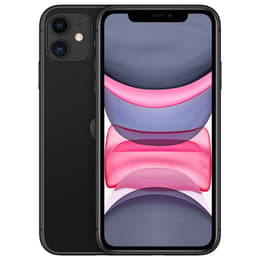
iPhone 11
iPhone 11
Starting at

Refurbished price:147.00

Versus €589.00 new

See options
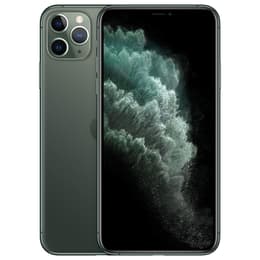
iPhone 11 Pro Max
iPhone 11 Pro Max
Starting at

Refurbished price:195.00

Versus €939.00 new

See options

Differences at a glance

The iPhone 11 and iPhone 11 Pro Max, both released in September 2019, represent different tiers within Apple's smartphone lineup. While they share the same core processing power and operating system, the iPhone 11 Pro Max distinguishes itself with a larger, more advanced display and a more versatile camera system, catering to users with different priorities regarding screen size and photographic capabilities.

Scores

Durability

Both the iPhone 11 and iPhone 11 Pro Max were launched in 2019, meaning they have received consistent software updates since their release. Apple typically provides iOS updates for approximately five to six years from a device's launch, suggesting these models will continue to receive major software support for a considerable period. This extended software longevity contributes to their practical lifespan.

  • Software Support: Both devices are expected to receive iOS updates for several more years, ensuring access to new features and security enhancements.
  • Water and Dust Resistance: The iPhone 11 carries an IP68 rating, allowing submersion up to 2 meters for 30 minutes, while the iPhone 11 Pro Max extends this to 4 meters for the same duration, offering enhanced protection against spills and dust.
  • Repairability: Both models have a repairability score of 6 out of 10 from iFixit, indicating that common repairs like display and battery replacements are prioritized in their design, though specialized tools may be required.

Year of Release

2019

2019

Compatible with latest Update

Yes

Yes

OS

iOS

iOS

Foldable

No

No

Performance

Both the iPhone 11 and iPhone 11 Pro Max are equipped with the same powerful internal processor, ensuring a consistent level of performance across various tasks. This allows for smooth operation whether navigating apps, engaging in graphics-intensive gaming, or managing multiple applications simultaneously.

  • System Responsiveness: Users can expect fluid navigation and quick app loading times on both devices, handling demanding applications and multitasking without noticeable delays.
  • Battery Endurance: The iPhone 11 Pro Max features a larger battery capacity, which translates to longer usage times for many users, often lasting through a full day of heavy use. The iPhone 11 also offers solid battery performance, typically providing sufficient power for a day of moderate use.
  • Storage Options: The iPhone 11 is available with 64GB, 128GB, and 256GB storage configurations, while the iPhone 11 Pro Max offers 64GB, 256GB, and 512GB options, providing more space for extensive media libraries or numerous applications.

Memory (GB)

4 GB

4 GB

Screen quality

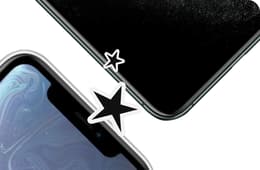
The display is a primary differentiator between these two models, offering distinct visual experiences tailored to different user preferences. The iPhone 11 features an LCD panel, while the iPhone 11 Pro Max utilizes an OLED display, providing a notable upgrade in visual fidelity.

  • Display Technology and Clarity: The iPhone 11 features a 6.1-inch Liquid Retina HD LCD display with a resolution of 1792 x 828 pixels at 326 pixels per inch. In contrast, the iPhone 11 Pro Max boasts a 6.5-inch Super Retina XDR OLED display with a resolution of 2688 x 1242 pixels at 458 pixels per inch, offering significantly sharper images and finer detail.
  • Color and Contrast: The OLED screen on the iPhone 11 Pro Max delivers deeper blacks, more vibrant colors, and a higher contrast ratio (2,000,000:1 typical) compared to the LCD panel of the iPhone 11 (1400:1 typical), resulting in a more immersive viewing experience, especially for HDR content.
  • Brightness and Viewing Experience: The iPhone 11 Pro Max offers higher typical brightness at 800 nits and a peak HDR brightness of 1200 nits, making it more visible in bright outdoor conditions and enhancing HDR video playback. The iPhone 11 has a typical maximum brightness of 625 nits. Both displays include True Tone technology for automatic white balance adjustment and Haptic Touch for responsive feedback.

Resolution

828 x 1792

1242 x 2688

Screen type

Liquid Retina IPS LCD

Super Retina XDR OLED

Audiovisual

Both the iPhone 11 and iPhone 11 Pro Max offer capable camera systems, but the Pro Max model provides additional versatility with an extra lens, expanding creative possibilities for photography and videography.

  • Rear Camera System: The iPhone 11 features a dual 12MP camera system with a wide and an ultra-wide lens. The iPhone 11 Pro Max upgrades this with a triple 12MP camera system, adding a telephoto lens to the wide and ultra-wide setup. This telephoto lens enables 2x optical zoom in, alongside the 2x optical zoom out offered by the ultra-wide lens on both models.
  • Photography Features: Both devices include Night mode for improved low-light performance, Deep Fusion for enhanced image processing, and Portrait mode with advanced bokeh and Depth Control. The additional telephoto lens on the Pro Max allows for more flexible framing and optical zoom for distant subjects.
  • Video Recording: Both models support 4K video recording at up to 60 frames per second and offer cinematic video stabilization. They also feature audio zoom, which focuses audio on the area being zoomed into during video recording.

Main camera

12 megapixels

12 megapixels

Front camera

12 megapixels

12 megapixels

Miscellaneous

Beyond their core features, several practical elements differentiate the iPhone 11 and iPhone 11 Pro Max, impacting daily handling and connectivity options.

  • Dimensions and Weight: The iPhone 11 measures 150.9 x 75.7 x 8.3 mm and weighs 194 grams. The iPhone 11 Pro Max is larger and heavier at 158.0 x 77.8 x 8.1 mm and 226 grams, which can influence one-handed use and portability.
  • Build Materials: The iPhone 11 features an aluminum frame with glass on the front and back. The iPhone 11 Pro Max utilizes a more durable stainless steel frame, also with glass on both sides, contributing to its slightly more robust feel.
  • Connectivity and Ports: Both models support Wi-Fi 6 and Bluetooth 5.0, and include Apple's U1 Ultra Wideband chip for spatial awareness. Neither device supports 5G connectivity. Both use the Lightning port for charging and data transfer.

Weight

194 g

226 g

Screen size (in)

6.1

6.5

Network

4G

4G

SIM card

Physical SIM + eSIM

Physical SIM + eSIM

Carrier compatibility

Unlocked

Unlocked

Connector

Lightning

Lightning

What the community thinks

The iPhone 11 and iPhone 11 Pro Max, both from the 2019 lineup, offer distinct experiences for users. The iPhone 11 is often praised by users for its strong overall performance and capable dual-camera system, particularly its Night mode, which was a significant improvement at the time. Its LCD display, while not as vibrant as OLED, is generally considered clear and bright enough for most everyday tasks. Some users, however, noted its larger bezels compared to more premium models.

The iPhone 11 Pro Max, on the other hand, frequently receives acclaim for its expansive and vibrant OLED display, which provides deeper blacks and higher contrast, enhancing media consumption. Its triple-camera system, including the telephoto lens, is a common highlight for those who value photographic versatility and optical zoom. User feedback also consistently points to the iPhone 11 Pro Max's exceptional battery life as a major advantage, often lasting longer than many other smartphones of its generation. Its larger size and weight are sometimes mentioned as a trade-off for the bigger screen and battery.

Users prioritizing a larger, more immersive display with superior contrast and color accuracy, along with a more versatile camera system that includes optical zoom, will find the iPhone 11 Pro Max well-suited to their needs. Its extended battery life also makes it a strong choice for heavy users or travelers. Conversely, users who prefer a slightly more compact device, or who find the dual-camera system sufficient for their photography, may lean toward the iPhone 11. Both devices offer robust performance for daily tasks and gaming. Opting for a quality-assured refurbished option for either model can be an eco-friendly alternative, providing access to these features while extending the product's lifecycle.