

iPad 5 (2017, A9 series) Vs iPad 8 (2020, A12 series)

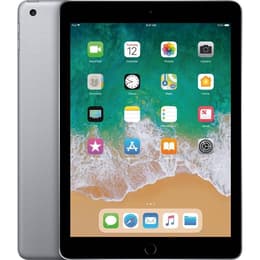
iPad 5 (2017, A9 series)
Starting at

Refurbished price:79.00

Versus €409.00 new

See options
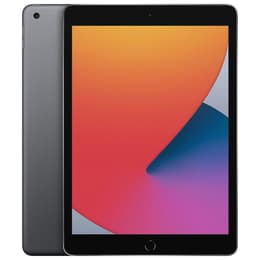
iPad 8 (2020, A12 series)
Starting at

Refurbished price:128.00

Versus €399.00 new

See options

Ratings

The iPad 2017, also known as the 5th generation iPad, and the iPad 2020, or 8th generation iPad, are both entry-level tablet computers from Apple. Released in March 2017 and September 2020 respectively, these devices run on Apple's iPadOS, offering a consistent user experience within the Apple ecosystem. The primary distinctions between them lie in their processing power, display size, and the longevity of software support.

Scores

Durability

When considering the practical lifespan of these tablets, several factors come into play, including their release timeline, software support, and repairability.

  • Release Timeline and OS Support: The iPad 2017, released in March 2017, has reached the end of its major iPadOS update cycle, typically receiving 5-6 years of support from its launch. The iPad 2020, launched in September 2020, benefits from a more recent release, meaning it will continue to receive major iPadOS updates for a longer period, extending its software longevity.
  • Repairability: Both models present challenges for repair. The iPad 2017 received a low repairability score of 2 out of 10 from iFixit, largely due to components being heavily glued, making screen and battery replacements difficult without causing further damage. While specific scores for the iPad 2020 are not as widely detailed, the design philosophy for entry-level iPads often carries similar repair complexities.
  • Expected Practical Lifespan: For users prioritizing the latest software features and security updates, the iPad 2020 offers a longer practical lifespan. However, both devices, especially as quality-assured refurbished options, can continue to function effectively for basic tasks even after major OS updates cease, depending on individual usage patterns.

Year of Release

2017

2020

Compatible with latest Update

No

Yes

OS

iPadOS

iPadOS

Maximum Operating System supported

iPadOS 16

iPadOS 18

Performance

The performance of these two iPad models is a key differentiator, primarily due to the advancements in their internal processing units and memory configurations.

  • Processor Capabilities: The iPad 2017 is equipped with a processor that handles everyday tasks, web browsing, and less demanding applications smoothly. The iPad 2020 features a significantly more advanced processor, which includes a Neural Engine for enhanced machine learning capabilities. This allows for noticeably faster app loading, smoother multitasking, and a more responsive experience, particularly with graphics-intensive games and augmented reality applications.
  • RAM and Multitasking: The iPad 2017 comes with 2 GB of RAM, which is sufficient for light multitasking. The iPad 2020 includes 3 GB of RAM, providing more headroom for running multiple applications simultaneously and switching between them with greater fluidity.
  • Storage Options: Both models offer 32 GB and 128 GB storage configurations. Users who store many apps, photos, or videos may find the 128 GB option more suitable for either device.

Memory (GB)

2 GB

3 GB

Processor

Apple A9

Apple A12 Bionic

Screen quality

The visual experience on both iPads is delivered through their respective displays, which share some characteristics while also presenting notable differences.

  • Display Technology and Resolution: Both the iPad 2017 and iPad 2020 feature an IPS LED-backlit Retina display with a resolution of 2048x1536 pixels for the 2017 model and 2160x1620 pixels for the 2020 model, resulting in a pixel density of 264 pixels per inch (ppi) for both. This ensures clear and detailed visuals for reading, browsing, and media consumption.
  • Screen Size and Viewing Experience: The iPad 2017 has a 9.7-inch display, offering a compact viewing area. The iPad 2020 features a slightly larger 10.2-inch display, providing a more expansive canvas for content.
  • Brightness and Lamination: The iPad 2020 offers 500 nits of brightness, which is beneficial for outdoor visibility. Neither model features a fully laminated display, which means there is a small air gap between the glass and the LCD panel. This can sometimes lead to more noticeable reflections compared to devices with laminated screens.

Resolution

2048 x 1536

2160 x 1620

True Tone

No

No

Pro-Motion

No

No

Screen type

Retina display

Retina display

Pixel density

264ppp

264ppp

Brightness

500 nits brightness

500 nits brightness

Sound quality

Speakers

Stereo speakers

Stereo speakers

Audiovisual

The camera systems on these iPad models are designed for general use, including casual photography, video calls, and document scanning.

  • Rear Camera Performance: Both iPads are equipped with an 8-megapixel rear camera capable of recording 1080p video at 30 frames per second. The iPad 2020 benefits from the more advanced image signal processor within its newer chip, which can contribute to improved image processing, including HDR for photos.
  • Front Camera Performance: For video calls and selfies, both devices feature a 1.2-megapixel FaceTime HD camera that records 720p video. While functional for its intended purpose, this resolution is considered basic compared to modern smartphone front cameras.
  • Audio Quality: Both models include stereo speakers, which provide a good audio experience for media consumption. The iPad 2020 also features dual microphones for clearer audio recording and calls.

Miscellaneous

Beyond core performance and display, several practical elements contribute to the overall user experience of these iPad models.

  • Connectivity and Ports: Both the iPad 2017 and iPad 2020 support Wi-Fi 802.11ac (dual-band) and Bluetooth 4.2 for wireless connectivity. Both also retain the Lightning port for charging and data transfer, and a 3.5mm headphone jack, which is a convenient feature for many users. The iPad 2020 additionally features a Smart Connector, enabling direct attachment of accessories like the Smart Keyboard.
  • Sensors and Biometrics: Both devices include Touch ID for secure fingerprint authentication, integrated into the home button. They also feature standard sensors like accelerometers, gyroscopes, and ambient light sensors.
  • Physical Design: The iPad 2017 measures 240 x 169.5 x 7.5 mm and weighs around 469-478 grams. The iPad 2020 is slightly larger and heavier at 250.6 x 174.1 x 7.5 mm and approximately 490-495 grams, maintaining a similar thickness. Both feature an aluminum unibody construction, contributing to a solid feel.

Weight

469 g

490 g

Width

16.95 cm

17.41 cm

Height

24 cm

25.06 cm

Depth

0.75 cm

0.75 cm

Screen size (in)

9.7

10.2

Network

Wi-Fi

Wi-Fi

Carrier compatibility

Without SIM Port

Without SIM Port

Wi-Fi technology

Wi-Fi 6 802.11a/b/g/n/ac

Wi-Fi 6 802.11a/b/g/n/ac

Bluetooth Version

Bluetooth 4.2

Bluetooth 4.2

Face ID

No

No

Touch ID

Yes

Yes

Connector

Lightning connector

Lightning connector

User sentiment for both the iPad 2017 and iPad 2020 generally highlights their reliability and value as entry-level tablets. For the iPad 2017, common praise points include its solid build quality, sharp display for indoor use, and consistent battery life, making it a dependable device for everyday tasks. Criticisms often revolve around its older processor, which can feel less responsive with newer applications, and the non-laminated display, which can be prone to reflections.

The iPad 2020 is frequently lauded for its significant performance boost, making it capable of handling more demanding applications and multitasking with greater ease. Users appreciate its bright and colorful display, excellent battery life, and the added versatility of Smart Keyboard support. However, some users note that its design, including the bezels and non-laminated screen, feels somewhat dated compared to more premium iPad models. The front camera is also often cited as basic.

Users prioritizing a more budget-conscious option for basic web browsing, media consumption, and light productivity may find the iPad 2017 suitable, especially as a refurbished device. Those who require more processing power for gaming, advanced applications, or extended multitasking, and desire longer software support, will find the iPad 2020 better suited to their needs. The iPad 2020 also offers enhanced accessory compatibility with the Smart Keyboard. Both models, available as quality-assured refurbished options, provide an eco-friendly alternative for consumers seeking reliable tablet technology.

See all articles

Our recent comparisons