

iPad 8 (2020, A12 series) Vs iPad 10 (2022, A14 series)

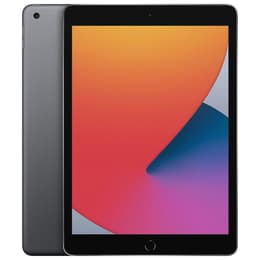
iPad 8 (2020, A12 series)
Starting at

Refurbished price:127.00

Versus €399.00 new

See options
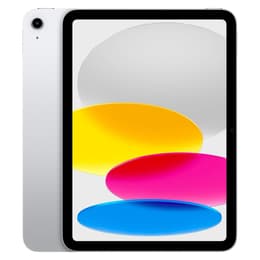
iPad 10 (2022, A14 series)
Starting at

Refurbished price:281.00

Versus €449.00 new

See options

Ratings

The iPad 2020, also known as the 8th generation iPad, was released in September 2020, while the iPad 2022, or 10th generation iPad, launched in October 2022. Both are Apple's entry-level tablets, running on iPadOS, but the 10th generation model introduces a refreshed design, an updated processor, and enhanced camera capabilities. These differences cater to varying user needs, from casual browsing to more demanding tasks and creative pursuits.

Scores

Durability

When considering the longevity of these devices, several factors come into play, primarily their release dates and Apple's typical software support cycles.

  • Release Timeline: The iPad 2020 was released in September 2020, making it over two years older than the iPad 2022, which launched in October 2022. This age difference directly impacts the duration of future software support.
  • Software Longevity: Apple generally provides major iPadOS updates for approximately 5-6 years from a device's release, with security updates often extending beyond that. Given this, the iPad 2022 is expected to receive major iPadOS updates for a longer period than the iPad 2020, offering an extended practical lifespan for accessing the latest features and app compatibility.
  • Repairability: iPads, in general, tend to have low repairability scores due to the extensive use of adhesives, making component replacement challenging. The iPad 2022, despite its newer design, has shown some structural vulnerabilities in durability tests, particularly around the keyboard connector area, which could be a point of concern for physical longevity.

Year of Release

2020

2022

Compatible with latest Update

Yes

Yes

OS

iPadOS

iPadOS

Maximum Operating System supported

iPadOS 18

iPadOS 18

Performance

The performance of these two iPads differs due to their internal components, influencing how smoothly they handle various applications and multitasking.

  • Processor Capabilities: The iPad 2020 features a capable processor from its release year, offering smooth performance for everyday tasks like web browsing, email, and light gaming. The iPad 2022, however, incorporates a more advanced processor, providing a noticeable boost in speed and efficiency. This allows for more fluid multitasking, faster app loading times, and a more responsive experience with graphically intensive applications and modern games.
  • Storage Options: Both models offer different storage configurations. The iPad 2020 was available with 32GB or 128GB of internal storage, while the iPad 2022 comes with 64GB or 256GB options. Users who store many apps, photos, or videos may find the larger base storage and higher maximum capacity of the iPad 2022 more accommodating.
  • Battery Behavior: Both iPads are designed to provide up to 10 hours of battery life for web surfing or video playback on Wi-Fi. Real-world usage can vary, but both models generally offer sufficient power for a full day of moderate use. The iPad 2022's more efficient processor may contribute to slightly better power management under certain workloads.

Memory (GB)

3 GB

4 GB

Processor

Apple A12 Bionic

Apple A14 Bionic

Screen quality

The visual experience on these tablets is a key differentiator, with the iPad 2022 offering a more modern display.

  • Display Technology and Size: The iPad 2020 features a 10.2-inch Retina IPS LCD display with a resolution of 2160 x 1620 pixels. The iPad 2022 upgrades to a larger 10.9-inch Liquid Retina IPS LCD display with a higher resolution of 2360 x 1640 pixels. This results in a slightly larger viewing area and a more immersive experience on the newer model.
  • Brightness and Clarity: Both displays offer good clarity for typical viewing. The iPad 2022's screen includes True Tone technology, which adjusts the display's color and intensity to match the ambient light, providing a more natural viewing experience. It also boasts a brightness of 500 nits, which can be beneficial for outdoor use compared to the iPad 2020's display.
  • Design Implications: The iPad 2020 retains the traditional iPad design with thicker bezels and a physical home button. The iPad 2022 adopts a more contemporary design with slimmer bezels and no home button, allowing for the larger screen in a similar form factor. This design change also relocates the Touch ID sensor to the power button on the iPad 2022.

Resolution

2160 x 1620

2360 x 1640

True Tone

No

Yes

Pro-Motion

No

No

Screen type

Retina display

Liquid Retina display

Pixel density

264ppp

264ppp

Brightness

500 nits brightness

500 nits brightness

Sound quality

Speakers

Stereo speakers

Stereo speakers

Audiovisual

Camera capabilities have seen significant improvements in the newer iPad model, particularly for video calls and general photography.

  • Camera System Capabilities: The iPad 2020 is equipped with an 8-megapixel rear camera and a 1.2-megapixel front-facing camera. The iPad 2022 features a more advanced 12-megapixel wide rear camera and a 12-megapixel ultra-wide front camera. This upgrade means sharper images and better detail capture on the newer model.
  • Photography and Video Performance: The iPad 2022's improved cameras offer better low-light performance and enhanced video recording capabilities, including 4K video recording on the rear camera. The front camera on the iPad 2022 is notably positioned on the landscape edge, making it more suitable for video calls when the tablet is used with a keyboard or stand. It also supports Center Stage, which automatically keeps subjects in frame during video calls.
  • Audio Experience: Both models feature stereo speakers, providing a decent audio experience for media consumption. The microphone quality on both is suitable for video calls and voice recordings, though the iPad 2022's landscape-oriented front camera setup is optimized for this use case.

Miscellaneous

Beyond the core features, several practical elements distinguish these two iPad models, impacting their usability and accessory compatibility.

  • Connectivity Options: The iPad 2020 supports Wi-Fi 5 (802.11ac) and Bluetooth 4.2. The iPad 2022 features newer connectivity standards, including Wi-Fi 6 (802.11ax) and Bluetooth 5.2, offering potentially faster and more stable wireless connections. Cellular models of the iPad 2022 also support 5G, a significant upgrade from the LTE capabilities of the iPad 2020.
  • Port Types: A notable change is the charging and data port. The iPad 2020 uses Apple's proprietary Lightning port, while the iPad 2022 transitions to a more universal USB-C port. This allows for broader compatibility with accessories and chargers.
  • Physical Design and Sensors: The iPad 2020 retains the classic design with a Home button that integrates Touch ID. The iPad 2022 adopts a more modern, all-screen design with Touch ID integrated into the top power button. The dimensions and weight are similar, but the iPad 2022 is slightly thinner and lighter, offering a more streamlined feel.

Weight

490 g

477 g

Width

17.41 cm

17.95 cm

Height

25.06 cm

24.86 cm

Depth

0.75 cm

0.7 cm

Screen size (in)

10.2

10.9

Network

Wi-Fi

Wi-Fi

Carrier compatibility

Without SIM Port

Without SIM Port

Wi-Fi technology

Wi-Fi 6 802.11a/b/g/n/ac

Wi-Fi 6 802.11ax

Bluetooth Version

Bluetooth 4.2

Bluetooth 5.2

Face ID

No

No

Touch ID

Yes

Yes

Connector

Lightning connector

USB Type-C

User feedback for the iPad 2020 often highlights its strong performance for its price point at the time of release, making it a reliable option for students and general users. Its traditional design, including the Home button, was familiar and appreciated by many. Criticisms sometimes focused on its aging design and the limitations of its front-facing camera for video calls.

The iPad 2022, on the other hand, receives praise for its modern aesthetic, improved cameras (especially the landscape front camera with Center Stage), and the switch to USB-C connectivity. Users appreciate the larger display and the performance boost for everyday tasks. Some common concerns include its price increase compared to previous base models and the continued use of an older-generation processor relative to other iPads in Apple's lineup at its release.

Users prioritizing a more modern design, enhanced camera features for video conferencing, and the versatility of a USB-C port will find the iPad 2022 well-suited to their needs. It offers a more future-proof experience with its newer processor and connectivity standards. Conversely, users seeking a more budget-conscious option for essential tasks like web browsing, media consumption, and light productivity may still find the iPad 2020 to be a capable device. Both models represent solid choices within the iPad ecosystem, and opting for a quality-assured refurbished option can provide an eco-friendly alternative for either device.

See all articles

Our recent comparisons