

Compare models
iPad 7 (2019, A10 series) Vs iPad 8 (2020, A12 series)
- 1-year minimum warranty
- Free delivery on all orders
- Free 30-day returns
Differences at a glance
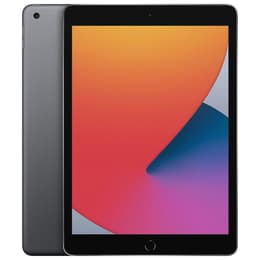
The iPad 2019 (7th Generation) and the iPad 2020 (8th Generation) are both entry-level tablet computers from Apple, released in September 2019 and September 2020, respectively. While they share a similar design and core functionalities, the iPad 2020 introduces a more capable internal processor, which enhances overall performance and efficiency compared to its predecessor. Both devices operate on Apple's iPadOS, offering a consistent user experience with access to a vast ecosystem of applications.
Available Models
Colour
Storage (GB)
Scores
Durability
When considering the longevity of these tablets, both models offer a robust lifespan, primarily differing in their potential software support window and internal component efficiency.
- Release Timeline: The iPad 2019, released in September 2019, precedes the iPad 2020, which launched in September 2020. This one-year difference directly impacts their expected software support duration.
- Software Longevity: Apple typically provides major iPadOS updates for its base iPad models for approximately 5-6 years. Given its later release, the iPad 2020 is expected to receive major software updates for about one year longer than the iPad 2019, extending its functional lifespan for modern applications and features. Security updates may continue for several years beyond major OS updates for both models.
- Practical Lifespan: Both iPads are built with durable aluminum enclosures and glass fronts. Their repairability scores are generally similar, meaning that common repairs are feasible. Users can expect several years of practical use from either device, with the iPad 2020 offering a slightly longer period of optimal performance for demanding tasks due to its newer internal components.
Year of Release
2019
2020
Compatible with latest Update
Yes
Yes
OS
iPadOS
iPadOS
Maximum Operating System supported
iPadOS 18
iPadOS 18
Performance
The primary distinction between these two iPad models lies in their internal processing power, which significantly influences daily usage and responsiveness.
- Processor Capabilities: The iPad 2019 features an internal chip that handles everyday tasks, web browsing, and light gaming smoothly. The iPad 2020, however, incorporates a more advanced processor with a Neural Engine, delivering a notable increase in speed and efficiency. This results in up to 40% faster central processing and twice the graphics performance compared to the iPad 2019.
- System Responsiveness: Users will experience quicker app loading times, smoother multitasking, and more fluid navigation on the iPad 2020. While the iPad 2019 remains capable for general use, the iPad 2020 provides a more responsive experience, especially when running more demanding applications or engaging in graphically intensive games.
- Battery Behavior: Both models are designed to offer up to 10 hours of web surfing or video playback on Wi-Fi. However, due to the more efficient processor in the iPad 2020, some real-world tests indicate it can achieve slightly longer battery life, potentially an extra hour or more, under similar usage conditions.
Processor
Apple A10 Fusion
Apple A12 Bionic
Screen quality
Both the iPad 2019 and iPad 2020 offer a consistent visual experience, featuring identical display specifications.
- Display Technology: Both tablets are equipped with a 10.2-inch LED-backlit Multi-Touch Retina display with IPS technology. This ensures wide viewing angles and consistent color reproduction.
- Resolution and Clarity: Each model provides a resolution of 2160 by 1620 pixels at 264 pixels per inch (ppi), delivering sharp text and clear images for reading, browsing, and media consumption.
- Brightness Levels: Both displays achieve a typical brightness of 500 nits, which is suitable for indoor use and offers adequate visibility in most outdoor conditions, though direct sunlight can still pose a challenge.
Resolution
2160 x 1620
2160 x 1620
True Tone
No
No
Pro-Motion
No
No
Screen type
Retina display
Retina display
Pixel density
264ppp
264ppp
Brightness
500 nits brightness
500 nits brightness
Sound quality
Speakers
Stereo speakers
Stereo speakers
Audiovisual
The camera systems on the iPad 2019 and iPad 2020 are largely similar in hardware, with the newer model benefiting from improved image processing.
- Camera System Capabilities: Both iPads feature an 8-megapixel rear camera with an ƒ/2.4 aperture and a 1.2-megapixel FaceTime HD front camera. These cameras are suitable for casual photography, document scanning, and video calls.
- Photography Performance: The rear camera on both models supports features like autofocus, panorama, HDR for photos, and auto image stabilization. The front camera is capable of 720p HD video recording and HDR for photos. While the hardware is similar, the iPad 2020's more advanced processor contributes to slightly better image processing, potentially leading to improved detail and color in some scenarios.
- Audio Experience: Both devices include stereo speakers, providing a decent audio output for media consumption. They also feature dual microphones, which contribute to clearer audio during video calls and recordings.
Miscellaneous
Beyond core performance and display, several practical elements differentiate or unify the user experience of these two iPad models.
- Connectivity Options: Both the iPad 2019 and iPad 2020 support Wi-Fi 802.11ac (dual-band) and Bluetooth 4.2, ensuring reliable wireless connections for internet access and peripheral devices. Cellular models for both generations offer LTE connectivity.
- Port Types: Each tablet retains the Lightning connector for charging and data transfer, along with a 3.5mm headphone jack, which is convenient for wired audio accessories.
- Physical Attributes: The dimensions and weight of both models are nearly identical, maintaining a consistent form factor. They both feature a Home button with integrated Touch ID for secure authentication. Both also support the first-generation Apple Pencil and the Smart Keyboard.
Weight
483 g
490 g
Width
17.41 cm
17.41 cm
Height
25.06 cm
25.06 cm
Depth
0.75 cm
0.75 cm
Screen size (in)
10.2
10.2
Network
Wi-Fi
Wi-Fi
Carrier compatibility
Without SIM Port
Without SIM Port
Wi-Fi technology
Wi-Fi 6 802.11a/b/g/n/ac
Bluetooth Version
Bluetooth 4.2
Bluetooth 4.2
Face ID
No
No
Touch ID
Yes
Yes
Connector
Lightning connector
Lightning connector
What the community thinks
The iPad 2019 and iPad 2020 offer compelling tablet experiences, each with distinct advantages depending on user priorities. Users frequently praise the iPad 2019 for its solid performance for everyday tasks and its introduction of a larger display and Smart Keyboard support at its release. However, some users noted its processor was carried over from an older model, leading to occasional slowdowns with more intensive applications.
The iPad 2020 is widely lauded for its significant performance upgrade, with many users highlighting the noticeable speed improvements in app loading, multitasking, and gaming due to its more advanced processor. This enhanced processing power also contributes to a slightly more efficient battery life and improved image processing for its cameras. A common criticism for both models, particularly the 2019 version, was the base storage option, which some found limiting.
Users prioritizing a highly responsive experience for demanding applications, or those seeking the longest possible software support window, may find the iPad 2020 better suited to their needs. Conversely, users primarily focused on web browsing, media consumption, and light productivity, where peak performance is not critical, will find the iPad 2019 to be a capable device. Both models represent a sustainable choice when considering quality-assured refurbished options, offering an eco-friendly alternative for consumers.