

iPhone

Compare models
Differences at a glance
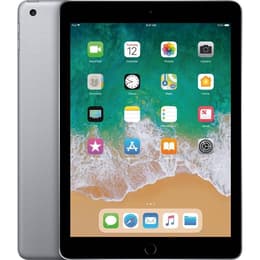
The iPad 2017, also known as the 5th generation iPad, was released in March 2017, while the iPad 2019, the 7th generation model, followed in September 2019. Both devices operate on Apple's iPadOS, offering a consistent user experience within the Apple ecosystem. Key distinctions between these two tablets lie in their display size, internal processing capabilities, and compatibility with certain accessories, catering to slightly different user needs.
Colour
Storage
When considering the longevity of these tablets, their release timelines and Apple's software support cycles are important factors. The iPad 2017, being an older model, has reached the end of its major iPadOS update cycle, supporting up to iPadOS 16. The iPad 2019, released two years later, benefits from a longer support window, with official support extending up to iPadOS 18.
Year of Release
Compatible with latest Update
OS
Maximum Operating System supported
The performance difference between the iPad 2017 and iPad 2019 stems primarily from their respective internal components, impacting how smoothly they handle various tasks and applications.
Processor
Both iPads feature Retina displays, providing sharp and clear visuals, but there are differences in screen size and display construction that affect the viewing experience.
Resolution
True Tone
Pro-Motion
Screen type
Pixel density
Brightness
Speakers
The camera systems on both the iPad 2017 and iPad 2019 share similar specifications, making them suitable for casual photography, video calls, and document scanning rather than high-end photography.
Beyond core performance and display, several practical elements differentiate these two iPad models, particularly regarding connectivity, physical design, and accessory support.
Weight
Width
Height
Depth
Screen size (in)
Network
Carrier compatibility
Wi-Fi technology
Bluetooth Version
Face ID
Touch ID
Connector
The iPad 2017 and iPad 2019, while sharing a foundational design, offer distinct experiences shaped by their release years and hardware advancements. Users often praise the iPad 2017 for its enduring reliability for basic tasks and its continued access to a wide range of apps, even with its older software. However, common concerns for the 2017 model revolve around its eventual lack of support for the newest iPadOS features and its more limited multitasking capabilities due to less RAM.
The iPad 2019, on the other hand, is frequently lauded for its larger display, improved multitasking performance thanks to increased RAM, and the significant addition of Apple Pencil and Smart Keyboard support, which enhances its versatility for both creative and productivity-focused users. Some users noted that while the processor was not a generational leap from the immediate predecessor, the RAM increase made a tangible difference in daily use.
Users prioritizing a device for web browsing, email, media consumption, and light app usage, and who do not require the latest software features or accessory support, may find the iPad 2017 sufficient. Conversely, individuals who value a larger screen, smoother multitasking, and the ability to use the Apple Pencil for creative work or a Smart Keyboard for typing will find the iPad 2019 better suited to their needs. Choosing a quality-assured refurbished option for either model can provide a sustainable choice for those seeking a capable tablet.