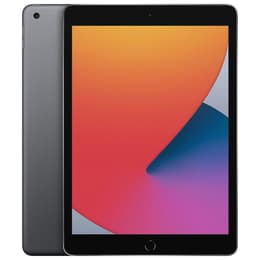


iPad 6 (2018, A10 series) Vs iPad 8 (2020, A12 series)

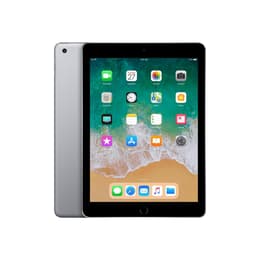
iPad 6 (2018, A10 series)
Starting at

Refurbished price:82.00

Versus €359.00 new

See options
iPad 8 (2020, A12 series)
Starting at

Refurbished price:127.00

Versus €399.00 new

See options

Ratings

The iPad 2018 (6th generation) and the iPad 2020 (8th generation) are two entry-level tablets from Apple, released in March 2018 and September 2020, respectively. While both devices offer a familiar iPadOS experience, the 2020 model introduces a more capable processor and a slightly larger display, setting them apart in terms of performance and visual experience. Both models run on Apple's iPadOS, providing access to a wide ecosystem of applications and services.

Scores

Durability

When considering the longevity of these devices, several factors come into play, including their release dates and Apple's typical software support cycles.

  • Release Timeline: The iPad 2018 was released in March 2018, making it an older device compared to the iPad 2020, which launched in September 2020. This two-and-a-half-year difference in release directly impacts their expected software support.
  • OS Support Duration: Apple typically provides 5-7 years of major iPadOS updates for its devices. The iPad 2018 (A10 Fusion chip) received iPadOS 17, and it is likely that iPadOS 17 will be its last major operating system update. The iPad 2020 (A12 Bionic chip) is expected to receive major iPadOS updates for a longer period, potentially extending its usability for newer applications and features.
  • Practical Lifespan: While both iPads are built with durable aluminum enclosures, the iPad 2020's newer processor and extended software support mean it will likely remain capable of handling modern applications and security updates for a longer duration. Users of the iPad 2018 might start encountering app compatibility issues or slower performance with future software iterations sooner than those with the iPad 2020.

Year of Release

2018

2020

Compatible with latest Update

No

Yes

OS

iPadOS

iPadOS

Maximum Operating System supported

iPadOS 17

iPadOS 18

Performance

The core difference between these two iPads lies in their internal processing power, which influences overall system responsiveness and capability.

  • Processor Capabilities: The iPad 2018 is equipped with a processor that handles everyday tasks and light multitasking smoothly. The iPad 2020 features a more advanced processor, offering a noticeable increase in speed and efficiency. This translates to faster app loading, smoother transitions, and improved performance in more demanding applications and games.
  • Multitasking and Responsiveness: While both devices can handle basic multitasking, the iPad 2020's enhanced processing power allows for a more fluid experience when running multiple applications simultaneously or switching between them. Users report the iPad 2020 feels snappier and more responsive in general use.
  • Battery Behavior: Both models are designed to provide a full day of typical use. The iPad 2020, with its more efficient processor, can achieve similar or slightly better battery life despite having a similar battery capacity to its predecessor, especially during intensive tasks.

Memory (GB)

2 GB

3 GB

Processor

Apple A10 Fusion

Apple A12 Bionic

Screen quality

The visual experience on both iPads is generally consistent, though there are some distinctions in screen size and underlying technology.

  • Display Technology and Clarity: Both the iPad 2018 and iPad 2020 feature Retina IPS LCD displays, offering clear visuals and good color reproduction. The resolution on both is sharp, providing a pleasant viewing experience for text and images.
  • Screen Size and Viewing Experience: The iPad 2018 has a 9.7-inch display, while the iPad 2020 offers a slightly larger 10.2-inch display. This increase in screen real estate on the 2020 model provides a more expansive viewing area, which can be beneficial for media consumption, web browsing, and productivity tasks.
  • Brightness and Refresh Rate: Both iPads offer similar brightness levels, making them suitable for indoor use and generally adequate for outdoor viewing, though direct sunlight can still pose challenges. Both models feature a standard 60Hz refresh rate, providing a smooth experience for most content, but not the ultra-smooth scrolling found on devices with higher refresh rates.

Resolution

2048 x 1536

2160 x 1620

True Tone

No

No

Pro-Motion

No

No

Screen type

Retina display

Retina display

Pixel density

264ppp

264ppp

Brightness

500 nits brightness

500 nits brightness

Sound quality

Speakers

Stereo speakers

Stereo speakers

Audiovisual

The camera systems on these entry-level iPads are designed for casual use rather than advanced photography, with largely similar specifications.

  • Camera System Capabilities: Both the iPad 2018 and iPad 2020 are equipped with an 8-megapixel rear camera and a 1.2-megapixel front-facing camera. These cameras are suitable for scanning documents, casual photos, and video calls in well-lit environments.
  • Photography and Video Quality: In everyday conditions, both iPads capture decent images and 1080p video from the rear camera. The front-facing camera, while functional for video conferencing, offers lower resolution and can struggle in low-light conditions. Users generally find the camera quality to be acceptable for a tablet, but not a primary reason for purchase.
  • Audio Experience: Both models feature stereo speakers, providing a satisfactory audio experience for media consumption and video calls. They also retain a 3.5mm headphone jack, offering flexibility for audio output.

Miscellaneous

Beyond the core performance and display, several other practical aspects differentiate these two iPad models.

  • Connectivity Options: Both iPads support Wi-Fi and offer optional cellular connectivity (LTE models). They both utilize Bluetooth 4.2 for connecting accessories.
  • Port Types: Both the iPad 2018 and iPad 2020 feature a Lightning port for charging and data transfer. They also include a 3.5mm headphone jack.
  • Sensors and Authentication: Both models include Touch ID for secure authentication, integrated into the home button. They also support the first-generation Apple Pencil, making them suitable for note-taking and creative tasks.
  • Dimensions and Weight: The iPad 2018 measures 240 x 169.5 x 7.5 mm and weighs around 469 grams (Wi-Fi model). The iPad 2020 is slightly larger and heavier at 250.6 x 174.1 x 7.5 mm and approximately 490 grams (Wi-Fi model), due to its larger screen.

Weight

469 g

490 g

Width

16.95 cm

17.41 cm

Height

24 cm

25.06 cm

Depth

0.75 cm

0.75 cm

Screen size (in)

9.7

10.2

Network

Wi-Fi

Wi-Fi

Carrier compatibility

Without SIM Port

Without SIM Port

Wi-Fi technology

Wi-Fi 6 802.11a/b/g/n/ac

Wi-Fi 6 802.11a/b/g/n/ac

Bluetooth Version

Bluetooth 4.2

Bluetooth 4.2

Face ID

No

No

Touch ID

Yes

Yes

Connector

Lightning connector

Lightning connector

User feedback for both the iPad 2018 and iPad 2020 generally highlights their reliability and value as entry-level tablets. For the iPad 2018, common praise points include its solid performance for basic tasks and its continued usability for web browsing, email, and media consumption, even several years after its release. Some users have noted that its performance can become sluggish with more demanding applications or after prolonged use, and some have reported issues with Wi-Fi connectivity or app crashes on older software versions.

The iPad 2020 is frequently lauded for its significant performance boost, making it a more future-proof option for users who engage in light gaming or more intensive multitasking. Its slightly larger screen is also a positive for many. Criticisms are less frequent but sometimes point to the dated design with larger bezels and the basic camera quality, which remains unchanged from previous generations.

Users prioritizing a more compact form factor and who primarily need a device for basic web browsing, email, and media consumption may find the iPad 2018 suitable. It remains a functional device for these purposes. However, users who require more processing power for demanding applications, light gaming, or who desire a slightly larger display and extended software support will find the iPad 2020 better suited to their needs. The iPad 2020 offers a more responsive experience and a longer expected lifespan for modern software. Both models represent a practical choice for those seeking a quality-assured refurbished option, providing an eco-friendly alternative to purchasing new devices.

See all articles

Our recent comparisons