
Compare models
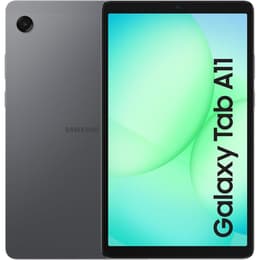
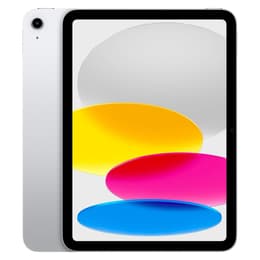
Galaxy Tab A11 (8.7", 2025) Vs iPad 10 (2022, A14 series)
- 1-year minimum warranty
- Free delivery on all orders
- Free 30-day returns
Differences at a glance
The Samsung Galaxy Tab A11 (2025) and the iPad 10 (2022) represent distinct approaches to modern, everyday tablet computing. While the Samsung Galaxy Tab A11 offers a compact form factor running on the Android platform, the iPad 10 utilizes a larger screen and operates on iPadOS. Choosing between these two devices largely depends on preferred screen sizes, software ecosystems, and portability needs.
Available Models
Colour
Storage (GB)
Scores
Durability
Both tablets provide reliable long-term usability, though their release years and software update schedules differ.
- Software Support: The Galaxy Tab A11 benefits from an extended Android software support window starting from its 2025 release, whereas the iPad 10 relies on Apple's established multi-year iPadOS update cycle following its 2022 introduction.
- Repairability and Build: Both units feature solid modern construction designed to endure daily travel and routine handling, with standardized repair pathways available through professional service channels.
Year of Release
2025
2022
Compatible with latest Update
Yes
Yes
OS
Android
iPadOS
Performance
System responsiveness and daily multitasking capabilities vary across these two devices depending on the applications used.
- Multitasking and App Speed: Both tablets handle everyday web browsing, streaming video, and document editing smoothly, though heavy gaming and demanding professional software run with high visual fluidity on the iPad 10's balanced hardware architecture.
- Storage and Memory: The Galaxy Tab A11 provides expandable storage via a microSD card slot alongside internal configurations, while the iPad 10 offers fixed internal storage tiers without external card expansion.
- Battery Behavior: Each device comfortably sustains typical mixed-use scenarios through a standard day, though charging speeds and total capacity profiles reflect their distinct internal footprints.
Screen quality
Display characteristics differ significantly in size, aspect ratio, and visual sharpness.
- Display Technology and Size: The Galaxy Tab A11 features a compact 8.7-inch TFT display with a 90Hz refresh rate for smoother scrolling, while the iPad 10 features a larger 10.9-inch Liquid Retina IPS LCD screen operating at a standard 60Hz refresh rate.
- Resolution and Brightness: The iPad 10 delivers higher pixel density and greater peak outdoor brightness, whereas the Galaxy Tab A11 prioritizes a smaller, pocket-friendly canvas suited for one-handed reading.
Resolution
800x1340
2360 x 1640
Pixel density
180ppp
264ppp
Audiovisual
Multimedia capture and audio output capabilities cater to casual communication and media consumption.
- Camera Performance: The iPad 10 features higher-resolution front and rear sensors capable of detailed 4K video recording, while the Galaxy Tab A11 supplies basic 8-megapixel rear and 5-megapixel front cameras adequate for casual snapshots and video calls.
- Audio and Media: Both tablets include stereo speakers that provide clear sound for listening to podcasts, watching videos, or joining virtual meetings.
Miscellaneous
Physical dimensions and connectivity options shape how each tablet integrates into daily routines.
- Portability and Handling: The Galaxy Tab A11 weighs notably less and features a smaller footprint that fits easily into small bags, whereas the iPad 10 offers a wider workspace surface area.
- Ports and Connectivity: Both models incorporate USB-C connectivity for charging and data transfer, with cellular-enabled variants available alongside standard wireless network options.
Weight
335 g
477 g
Screen size (in)
8.7
10.9
Network
Wi-Fi
Wi-Fi
Carrier compatibility
Without SIM Port
Without SIM Port
What the community thinks
User discussions and community feedback indicate that buyers appreciate the Galaxy Tab A11 for its lightweight portability, high refresh rate screen, and expandable storage capacity. At the same time, users frequently praise the iPad 10 for its expansive workspace, robust processing power, and extensive application library tailored for tablets. Common criticisms for the Samsung model focus on its lower base resolution, while feedback for the Apple model often notes its higher entry-level investment requirement.
Users prioritizing a compact, highly portable reading device with expandable memory may prefer the Galaxy Tab A11, while users prioritizing a larger screen workspace and robust app ecosystem will lean toward the iPad 10. For buyers exploring sustainable purchasing routes, choosing a quality-assured refurbished option provides an eco-friendly alternative that reduces electronic waste without compromising on device functionality.