
iPhone

Compare models
Differences at a glance
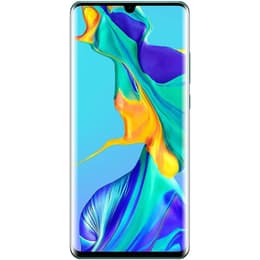
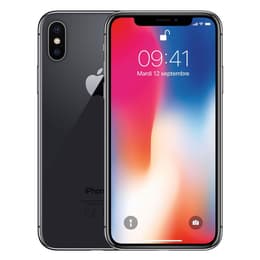
The Huawei P30 Pro, released in March 2019, and the iPhone X, launched in November 2017, represent distinct approaches to flagship smartphone design and functionality from their respective eras. While the P30 Pro emphasized advanced camera capabilities and a larger display, the iPhone X introduced a new design language for Apple with its edge-to-edge screen and facial recognition technology. The Huawei device operates on Android with its EMUI interface, offering a customizable experience, whereas the iPhone X runs on Apple's iOS, known for its integrated ecosystem and consistent user interface.
Colour
Storage
When considering the long-term usability of these devices, their release timelines and subsequent software support are key factors.
Year of Release
Compatible with latest Update
OS
Foldable
The performance of a smartphone is crucial for daily tasks, from navigating applications to managing multiple processes simultaneously.
The display is a primary interface for smartphone interaction, influencing everything from media consumption to daily navigation.
Resolution
Screen type
For many users, the camera system is a decisive factor, and both devices offer distinct photographic strengths.
Main camera
Front camera
Beyond core features, several practical elements contribute to the overall user experience and device utility.
Weight
Screen size (in)
Network
SIM card
Carrier compatibility
Users often praise the Huawei P30 Pro for its exceptional camera capabilities, particularly its zoom and low-light performance, which were considered groundbreaking at its release. Its long battery life and fast charging are also frequently highlighted as significant advantages. Some common criticisms, however, revolve around the software experience, with some users finding EMUI less intuitive than other Android interfaces, and the eventual cessation of major Android updates due to geopolitical factors.
The iPhone X is often lauded for its innovative design, introducing Face ID and a full-screen display that set a trend for future smartphones. Its consistent performance and the robust iOS ecosystem are also strong points for users. Criticisms sometimes focus on its battery life compared to some Android counterparts of its time, and the initial adjustment period to navigating without a physical home button.
Users prioritizing advanced photography features, particularly optical zoom and low-light performance, alongside a larger display and extended battery life, may find the Huawei P30 Pro well-suited to their needs. Conversely, users who value a compact design, a highly integrated software experience, and a strong emphasis on facial recognition for security may lean toward the iPhone X. Both devices, as quality-assured refurbished options, offer a sustainable choice for consumers looking to extend the life cycle of electronic products.









