

Huawei P30 Pro Vs iPhone 13

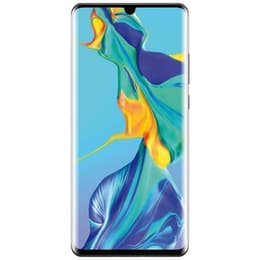
Huawei P30 Pro
Huawei P30 Pro
Starting at

Refurbished price:188.00

Versus €849.00 new

See options
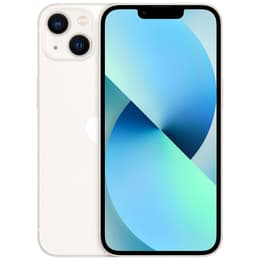
iPhone 13
iPhone 13
Starting at

Refurbished price:244.00

Versus €769.00 new

See options

Ratings

The Huawei P30 Pro, released in March 2019, and the iPhone 13, launched in September 2021, represent different eras and operating systems in the smartphone landscape. While the P30 Pro runs on Android with Huawei's EMUI interface, the iPhone 13 operates on Apple's iOS platform. These devices offer distinct experiences, primarily differing in their camera systems and long-term software support.

Scores

Durability

When considering the long-term usability of these devices, their release dates and subsequent software support are key factors.

  • Release and Software Support: The Huawei P30 Pro, launched in March 2019, originally ran Android 9 and received updates up to Android 10 with EMUI 12. Security updates for the P30 Pro generally concluded around early 2023. In contrast, the iPhone 13, released in September 2021, shipped with iOS 15 and is expected to receive major iOS updates until approximately 2028, with security updates potentially extending beyond that.
  • Repairability: The Huawei P30 Pro received an iFixit repairability score of 4 out of 10, indicating it is challenging to repair due to heavy use of adhesive and complex internal design. The iPhone 13 initially scored 5 out of 10, which later improved to 6 out of 10 after a software update addressed issues with Face ID functionality post-screen replacement. Both devices present difficulties for independent repair.
  • Practical Lifespan: Users prioritizing extended software and security updates will find the iPhone 13 offers a longer practical lifespan. The P30 Pro's hardware remains capable, but its limited software update future means it may encounter compatibility issues with newer applications over time.

Year of Release

2019

2021

Compatible with latest Update

No

Yes

OS

Android

iOS

Foldable

No

No

Performance

Evaluating the performance of these two smartphones involves looking at their processing capabilities, storage, and how their batteries handle daily use.

  • System Responsiveness: The iPhone 13 delivers a highly fluid and responsive user experience, handling demanding applications and multitasking smoothly due to its optimized hardware and software integration. The Huawei P30 Pro, while a capable performer in its time, offers a generally smooth experience for everyday tasks, though its older processing architecture may show limitations with the most intensive modern applications.
  • Battery Endurance: The Huawei P30 Pro features a 4200 mAh battery, which users frequently report as providing excellent endurance, often lasting up to two days with moderate use. The iPhone 13, with its improved battery capacity over its predecessor, generally provides reliable power for a full day of heavy use.
  • Storage Options: Both devices offer a range of internal storage configurations. The Huawei P30 Pro was available with 128 GB, 256 GB, or 512 GB of storage. The iPhone 13 also comes in 128 GB, 256 GB, and 512 GB variants.

Memory (GB)

8 GB

4 GB

Screen quality

The visual experience on both the Huawei P30 Pro and the iPhone 13 is delivered through their respective display technologies, offering distinct characteristics.

  • Display Technology and Clarity: Both smartphones feature OLED displays, known for deep blacks and vibrant colors. The Huawei P30 Pro has a 6.47-inch OLED screen with a resolution of 1080 x 2340 pixels, resulting in a pixel density of approximately 398 ppi. The iPhone 13 features a slightly smaller 6.1-inch OLED display with a higher resolution of 2532 x 1170 pixels, yielding a pixel density of around 460 ppi, which provides a sharper image.
  • Brightness and Refresh Rate: The iPhone 13 generally offers higher peak brightness, which can improve visibility in bright outdoor conditions. Both devices feature a standard 60Hz refresh rate, providing a consistent visual experience for typical smartphone use.
  • Design Elements: The P30 Pro features a curved display and a small 'dewdrop' notch at the top. The iPhone 13 has a flat display with a notch that is 20% smaller than its predecessors, though still present.

Resolution

1080 x 2340

1170 x 2532

Screen type

OLED

Super Retina XDR OLED

Audiovisual

The camera systems are a significant differentiator between the Huawei P30 Pro and the iPhone 13, each excelling in different photographic aspects.

  • Rear Camera System: The Huawei P30 Pro is equipped with a versatile triple-camera setup, including a 40-megapixel main sensor, a 20-megapixel ultra-wide-angle lens, and an 8-megapixel periscope telephoto lens capable of 5x optical zoom, along with a Time-of-Flight (ToF) sensor for depth sensing. The iPhone 13 features a dual 12-megapixel camera system, comprising a wide lens with sensor-shift optical image stabilization and an ultra-wide lens.
  • Photography Performance: The P30 Pro was highly acclaimed for its exceptional low-light performance and impressive zoom capabilities, including up to 50x digital zoom. The iPhone 13 offers significant improvements in low-light photography compared to previous iPhone models and benefits from sensor-shift stabilization for sharper images.
  • Video and Audio: Both devices support 4K video recording. The P30 Pro includes features like Dual View video. The iPhone 13 offers strong video quality and is generally praised for its microphone quality for calls and recordings. The P30 Pro has a mono speaker, while the iPhone 13 features stereo speakers for a more immersive audio experience.

Main camera

40 megapixels

12 megapixels

Front camera

32 megapixels

12 megapixels

Miscellaneous

Beyond the core features, several practical elements contribute to the overall user experience of the Huawei P30 Pro and iPhone 13.

  • Connectivity: The Huawei P30 Pro supports 4G LTE, Wi-Fi 5 (802.11ac), and Bluetooth 5.0. The iPhone 13 offers more advanced connectivity with 5G support, Wi-Fi 6 (802.11ax), and Bluetooth 5.0.
  • Ports and Biometrics: The P30 Pro utilizes a USB-C port for charging and data transfer and features an in-display fingerprint sensor for secure unlocking. The iPhone 13 uses Apple's proprietary Lightning port and relies on Face ID for biometric authentication. Neither device includes a traditional 3.5mm headphone jack.
  • Design and Durability: The P30 Pro has a glass front and back with an aluminum alloy frame, and it carries an IP68 rating for dust and water resistance. The iPhone 13 also features a glass and aluminum design, with its front protected by Ceramic Shield, and it also boasts an IP68 rating for water and dust resistance. The iPhone 13 is generally more compact and lighter (174g) compared to the P30 Pro (192g).

Weight

192 g

173 g

Screen size (in)

6.47

6.1

Network

4G

5G

SIM card

Dual Physical SIM

Physical SIM + eSIM

Carrier compatibility

Unlocked

Unlocked

Connector

USB-C

Lightning

User sentiment for the Huawei P30 Pro often highlights its groundbreaking camera capabilities, particularly its zoom and low-light performance, and its impressive battery life. Many users appreciated its design and overall performance for its release period. Criticisms frequently revolved around Huawei's software update policy and the eventual impact of geopolitical factors on Google Mobile Services availability for newer Huawei devices, though the P30 Pro retained these services.

For the iPhone 13, common praise points include its consistent and powerful performance, the reliability of the iOS ecosystem, significant camera improvements over previous models, and enhanced battery life. Some users noted that while a solid upgrade, it didn't introduce radical design changes.

Users prioritizing an advanced and versatile camera system, especially for zoom photography and extended battery life, may find the Huawei P30 Pro well-suited to their needs. Conversely, users who value long-term software support, a highly optimized and fluid operating system, and robust overall performance will likely lean towards the iPhone 13. Both devices offer distinct strengths, catering to different user preferences.

For those looking for a more sustainable choice, considering quality-assured refurbished options for either device can be an excellent way to extend their lifecycle and reduce electronic waste.


See all articles

Our recent comparisons