
Huawei P30 Pro Vs iPhone 14

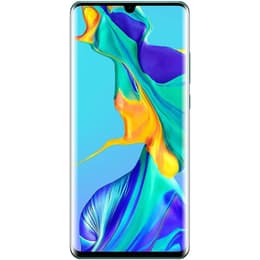
Huawei P30 Pro
Huawei P30 Pro
Starting at

Refurbished price:188.00

Versus €849.00 new

See options
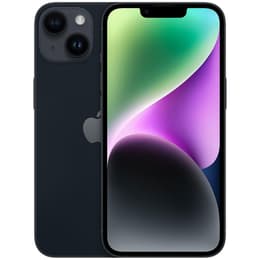
iPhone 14
iPhone 14
Starting at

Refurbished price:287.25

Versus €759.00 new

See options

Ratings

The Huawei P30 Pro, released in March 2019, and the iPhone 14, launched in September 2022, represent different generations and operating systems within the smartphone landscape. While the P30 Pro runs on Android with Huawei's EMUI, the iPhone 14 operates on Apple's iOS. These devices offer distinct user experiences, primarily differing in their camera systems, software ecosystems, and overall hardware design philosophy.

Scores

Durability

The longevity of a smartphone is influenced by its release timeline, software support, and physical durability. The Huawei P30 Pro, being an older device, has a different update trajectory compared to the more recent iPhone 14.

  • Release Timeline and Age: The Huawei P30 Pro was released in March 2019, making it a device from an earlier generation. The iPhone 14, launched in September 2022, benefits from being a more recent model.
  • OS Support Duration: The P30 Pro originally ran Android 9.0 Pie with EMUI 9.1 and received updates up to EMUI 12 (based on Android 10 for global versions), with some regions receiving HarmonyOS updates. The iPhone 14, starting with iOS 16, is expected to receive major iOS updates for approximately five to seven years from its release, potentially extending its software support until around 2028 or even later.
  • Repairability: The Huawei P30 Pro received an iFixit repairability score of 4 out of 10, indicating it is relatively difficult to repair due to heavy use of glue and compact internal components. The iPhone 14 initially received a higher score for hardware accessibility, but iFixit later downgraded its repairability to 4 out of 10 due to software limitations that complicate repairs with unauthorized parts.

Year of Release

2019

2022

Compatible with latest Update

No

Yes

OS

Android

iOS

Foldable

No

No

Performance

Performance in smartphones is determined by the internal processing power, memory, and how efficiently the software utilizes these resources. Both devices offer capable performance for their respective generations, but the newer iPhone 14 generally provides a more responsive experience for demanding tasks.

  • Processor Capabilities: The Huawei P30 Pro is powered by a processor that was considered high-end at its release, capable of handling everyday applications and moderate multitasking smoothly. The iPhone 14 features a more current-generation processor, which provides faster app loading times, smoother transitions, and more robust performance for graphically intensive games and complex applications.
  • Multitasking and Responsiveness: The P30 Pro, with its 6GB or 8GB of RAM, manages multiple applications effectively, though users might notice some slowdowns with a large number of demanding apps open simultaneously. The iPhone 14, also equipped with 6GB of RAM, offers a highly fluid multitasking experience and maintains consistent responsiveness even under heavy usage, benefiting from its optimized operating system.
  • Storage Options: Both devices offer similar storage configurations, typically ranging from 128GB to 512GB, providing ample space for apps, photos, and media.

Memory (GB)

8 GB

6 GB

Screen quality

The display is a primary interface for user interaction, and both the Huawei P30 Pro and iPhone 14 feature high-quality screens, though with differences in technology and characteristics.

  • Display Technology and Clarity: The Huawei P30 Pro features a 6.47-inch OLED display with a resolution of 1080 x 2340 pixels, offering deep blacks and vibrant colors. The iPhone 14 comes with a 6.1-inch Super Retina XDR OLED display, providing a higher resolution of 2532 x 1170 pixels and excellent clarity with sharp text and images.
  • Brightness and Viewing Experience: Both phones offer good brightness levels suitable for various lighting conditions. The iPhone 14's Super Retina XDR display is known for its high peak brightness, which enhances visibility in bright outdoor environments and improves HDR content viewing.
  • Refresh Rate: The P30 Pro has a standard 60Hz refresh rate. The iPhone 14 also features a 60Hz refresh rate, which provides a smooth visual experience for most daily tasks, though it does not offer the higher refresh rates found in some other modern smartphones.

Resolution

1080 x 2340

1170 x 2532

Screen type

OLED

Super Retina XDR OLED

Audiovisual

Camera capabilities are a significant differentiator, with both devices offering advanced systems for photography and videography, each with its own strengths.

  • Rear Camera System: The Huawei P30 Pro is equipped with a Leica Quad Camera system, featuring a 40MP main sensor, a 20MP ultra-wide lens, an 8MP telephoto lens with 5x optical zoom, and a Time-of-Flight (ToF) sensor. It was particularly acclaimed for its low-light performance and impressive zoom capabilities at its release. The iPhone 14 features an advanced dual-camera system with two 12MP sensors for its main and ultra-wide lenses. It excels in capturing detailed photos with natural color reproduction and offers strong low-light performance.
  • Video Recording: The P30 Pro offers good video recording quality, though it does not support 4K at 60 frames per second. The iPhone 14 supports 4K Dolby Vision HDR recording and includes features like Cinematic Mode, which allows for depth-of-field effects in videos.
  • Audio and Speakers: The P30 Pro utilizes an Acoustic Display Technology for its earpiece, where the screen vibrates to produce sound, and offers a single bottom-firing speaker. The iPhone 14 provides stereo speakers, delivering a more immersive audio experience for media consumption and calls.

Main camera

40 megapixels

12 megapixels

Front camera

32 megapixels

12 megapixels

Miscellaneous

Beyond core performance and display, several practical elements contribute to the overall user experience, including connectivity, physical design, and security features.

  • Connectivity and Ports: The Huawei P30 Pro supports 4G LTE, Wi-Fi 802.11ac, and Bluetooth 5.0, and features a USB-C port for charging and data transfer. It also includes an infrared sensor. The iPhone 14 offers 5G connectivity, Wi-Fi 802.11ax, and Bluetooth 5.3, utilizing a Lightning port.
  • Biometric Security: The P30 Pro incorporates an in-display optical fingerprint sensor and face recognition for secure unlocking. The iPhone 14 relies solely on Face ID, Apple's facial recognition system, for biometric authentication.
  • Build Materials and Handling: Both devices feature a glass front and back with a metal frame, contributing to a premium feel. The P30 Pro has a 6.47-inch display and weighs 192g, while the iPhone 14 has a 6.1-inch display and is lighter at 172g, potentially offering a more compact and manageable feel for some users. Both devices carry an IP68 rating for dust and water resistance.

Weight

192 g

172 g

Screen size (in)

6.47

6.1

Network

4G

5G

SIM card

Dual Physical SIM

Physical SIM + eSIM

Carrier compatibility

Unlocked

Unlocked

Connector

USB-C

Lightning

Users often praise the Huawei P30 Pro for its exceptional camera system, particularly its zoom capabilities and strong low-light performance, which were groundbreaking at its release. Many also appreciate its long-lasting battery life and the overall fluidity of its EMUI software. However, some users have noted that the camera can struggle with moving subjects in low light and that color balance can occasionally be inconsistent. The long-term software update situation for global models, particularly concerning Google Mobile Services, has also been a point of discussion for some users.

The iPhone 14 generally receives positive feedback for its smooth and consistent performance, vibrant display, and reliable battery life that typically lasts a full day for most users. Its camera system is well-regarded for its image quality and video features. Some common observations include a potential for faster battery degradation compared to older iPhone models and, for some, a slight discoloration around the camera island. The initial high repairability score was later adjusted due to software restrictions on parts, which is a concern for independent repairs.

Users prioritizing advanced camera features, especially optical zoom and strong low-light photography, may find the Huawei P30 Pro well-suited to their needs. Its larger screen might also appeal to those who prefer more display real estate. Conversely, users who value a highly optimized and consistently updated software experience, robust video capabilities, and a more compact form factor might lean towards the iPhone 14. The iPhone 14 also offers a longer expected period of major software updates. Both devices are available as quality-assured refurbished options, providing a sustainable choice for consumers.


See all articles

Our recent comparisons