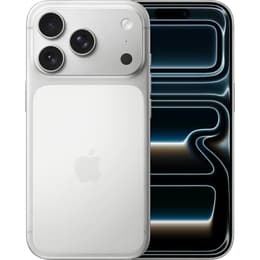
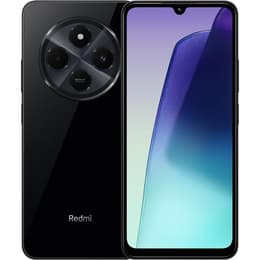


iPhone 17 Pro Vs Xiaomi Redmi 14C

iPhone 17 Pro
iPhone 17 Pro
Starting at

Refurbished price:1,064.00

Versus €1,339.00 new

See options
Xiaomi Redmi 14C
Xiaomi Redmi 14C
Starting at

Refurbished price:128.20

Versus €189.00 new

See options

Ratings

The iPhone 17 Pro, anticipated for release in late 2025, represents Apple's premium smartphone offering, running on the latest iOS. In contrast, the Xiaomi Redmi 14C, launched in late 2024, is an Android-based device designed for a different segment of the market. These two smartphones cater to distinct user needs, primarily differing in their processing power, display technology, and camera capabilities.

Scores

Durability

When considering the practical lifespan of these devices, several factors come into play, including software support, build quality, and the materials used in their construction.

  • Software Longevity: The iPhone 17 Pro is expected to receive major iOS updates for approximately five to seven years from its release, with security updates potentially extending beyond that period, a common practice for Apple's flagship devices. The Redmi 14C, running Android 14 with HyperOS, is anticipated to receive two major Android OS updates and around three to four years of security updates.
  • Build Materials: The iPhone 17 Pro is rumored to feature an aluminum frame and a hybrid glass/metal back, offering a robust and premium feel. The Redmi 14C typically utilizes a glass back with a plastic frame, which provides a balance of aesthetics and durability. While plastic can be resilient to shattering, premium metals and advanced glass often offer greater resistance to scratches and impacts.
  • Durability Features: Apple's Pro series iPhones generally include advanced protective glass and an IP68 rating for dust and water resistance, contributing to their overall resilience. The Redmi 14C (specifically the Snapdragon variant) has an IP52 rating, indicating protection against limited dust ingress and splashing water.

Year of Release

2025

2024

Compatible with latest Update

Yes

Yes

OS

iOS

Android

Foldable

No

No

Performance

The performance of a smartphone is largely determined by its internal components, influencing how smoothly applications run, how quickly tasks are completed, and the overall responsiveness of the system.

  • Processing Power: The iPhone 17 Pro is powered by Apple's A19 Pro chip, a high-performance processor built on a 3-nanometer process, featuring a multi-core CPU, GPU, and a Neural Engine. This configuration is designed for demanding applications, intensive multitasking, and advanced gaming. The Redmi 14C is equipped with a MediaTek Helio G81 Ultra octa-core processor, which is suitable for everyday tasks like browsing, social media, and light gaming.
  • System Responsiveness: With its advanced processor and 12GB of RAM, the iPhone 17 Pro is expected to offer exceptional speed and fluidity, handling complex operations and multiple applications simultaneously without noticeable delays. The Redmi 14C, available with 4GB, 6GB, or 8GB of RAM, provides a responsive experience for typical smartphone usage, though it may exhibit minor stutters when running many apps concurrently or engaging in graphically intensive tasks.
  • Storage Options: The iPhone 17 Pro offers substantial internal storage options, starting from 256GB and going up to 2TB on the Pro Max variant, catering to users with extensive digital content. The Redmi 14C provides storage options of 64GB, 128GB, and 256GB, with support for memory extension, allowing users to expand storage with a microSD card.

Memory (GB)

12 GB

4 GB

Screen quality

The display is a primary interface for smartphone interaction, and its quality significantly impacts the viewing experience for media, browsing, and daily use.

  • Display Technology: The iPhone 17 Pro features a Super Retina XDR OLED display with ProMotion technology, offering deep blacks, vibrant colors, and excellent contrast. OLED panels illuminate individual pixels, allowing for true black levels. The Redmi 14C utilizes an HD+ LCD display, which relies on a backlight for illumination. LCDs are known for good brightness but do not achieve the same contrast levels as OLEDs.
  • Resolution and Clarity: The iPhone 17 Pro's 6.3-inch display has a resolution of 2622x1206 pixels at 460 pixels per inch, providing sharp and detailed visuals. The Redmi 14C features a larger 6.88-inch display with a 720x1640 pixel resolution, resulting in a lower pixel density. This difference means the iPhone 17 Pro will present finer details and crisper text.
  • Brightness and Refresh Rate: The iPhone 17 Pro's display can reach a peak outdoor brightness of 3000 nits, ensuring excellent visibility even in bright sunlight, and supports an adaptive refresh rate up to 120Hz for smooth scrolling and animations. The Redmi 14C offers a 120Hz refresh rate for smoother visuals and a peak brightness of 600 nits, which is sufficient for indoor use but may be less visible under direct sunlight.

Resolution

2622x1206

720 x 1640

Screen type

Super Retina XDR

IPS LCD

Audiovisual

Camera systems are a significant consideration for many smartphone users, impacting the quality of photos and videos captured in various conditions.

  • Rear Camera System: The iPhone 17 Pro is equipped with a triple 48-megapixel camera system, including a Fusion Main, Ultra Wide, and Telephoto lens. This setup is designed for advanced computational photography, improved low-light performance, and versatile zoom capabilities, with rumors suggesting up to 8x optical zoom. The Redmi 14C features a dual rear camera setup, with a 50-megapixel primary sensor and an auxiliary lens, capable of capturing detailed images in good lighting conditions.
  • Front Camera and Video: The iPhone 17 Pro includes an upgraded 24-megapixel front-facing camera, enhancing selfie quality and video calls. It supports high-resolution video recording, including 4K Dolby Vision. The Redmi 14C has a 13-megapixel front camera, which performs well for selfies and video calls, and supports Full HD video recording.
  • Photography Features: The iPhone 17 Pro integrates advanced features like Photonic Engine, Deep Fusion, Smart HDR, and various portrait modes for sophisticated image processing. The Redmi 14C includes features like Night mode and beautify algorithms for enhanced photos, particularly in low-light conditions and for portraits.

Main camera

48 megapixels

50 megapixels

Front camera

18 megapixels

13 megapixels

Miscellaneous

Beyond core specifications, several practical elements contribute to the overall user experience and device utility.

  • Connectivity and Ports: The iPhone 17 Pro supports Wi-Fi 7 and features a USB-C port, offering high-speed data transfer and versatile connectivity with other devices. The Redmi 14C includes Wi-Fi, Bluetooth 5.4, NFC, a USB Type-C port, and notably, a 3.5mm headphone jack, providing traditional audio connectivity.
  • Biometric Security: The iPhone 17 Pro relies on Face ID for secure facial recognition. The Redmi 14C offers both a side-mounted fingerprint sensor and face unlock for biometric authentication.
  • Design and Handling: The iPhone 17 Pro is expected to have a refined design with an aluminum frame, contributing to a premium feel and potentially improved heat dissipation through a vapor chamber cooling system. The Redmi 14C features a slim body and a glass back, offering a comfortable grip and a modern aesthetic.

Weight

206 g

207 g

Screen size (in)

6.3

6.88

Network

5G

4G

SIM card

Physical SIM + eSIM

Dual Physical SIM

Carrier compatibility

Unlocked

Unlocked

Connector

USB-C

USB-C

The iPhone 17 Pro and Xiaomi Redmi 14C cater to different user expectations and priorities within the smartphone market. The iPhone 17 Pro is consistently praised for its cutting-edge performance, advanced camera capabilities, and long-term software support, making it a strong contender for users who prioritize a premium experience and the latest technological innovations. Users often highlight its fluid operating system and robust ecosystem as key advantages. However, some users may find its advanced features to be beyond their everyday needs.

Conversely, the Xiaomi Redmi 14C is frequently noted for its practical features, including a large display, a substantial battery, and the inclusion of a headphone jack, which are often appreciated by users seeking a functional device for daily communication and media consumption. Its Android operating system with HyperOS offers customization options that appeal to a broad user base. Criticisms sometimes revolve around its display resolution and the performance gap compared to higher-end devices, particularly for demanding applications.

Users prioritizing top-tier performance, advanced photography, and extended software longevity will find the iPhone 17 Pro well-suited to their needs. Those who value a larger screen, long battery life, and essential smartphone functionalities for everyday use, along with the flexibility of the Android ecosystem, may lean toward the Redmi 14C. Both devices offer a quality-assured refurbished option, providing an eco-friendly alternative for consumers looking to make informed and sustainable choices.


See all articles

Our recent comparisons





