
iPhone

Compare models
Differences at a glance
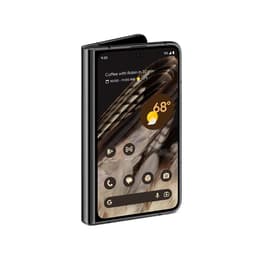
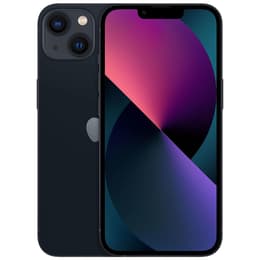
The Google Pixel Fold, released in June 2023, and the iPhone 13, launched in September 2021, represent distinct approaches to smartphone design and functionality. The Pixel Fold introduces a versatile foldable form factor running on Android, offering a larger screen experience in a compact package. In contrast, the iPhone 13 is a traditional slab smartphone operating on iOS, known for its consistent performance and integrated ecosystem. The primary difference lies in their physical design and the operating system experience they offer to users.
Colour
Storage
When considering the practical lifespan of these devices, both offer robust software support and physical resilience, though their designs present different considerations.
Year of Release
Compatible with latest Update
OS
Foldable
The performance of both the Google Pixel Fold and the iPhone 13 is designed to handle daily tasks efficiently, though they achieve this with different underlying architectures.
The display experience on the Google Pixel Fold and the iPhone 13 differs significantly due to their fundamental design philosophies.
Resolution
Screen type
Both devices offer capable camera systems, but they approach photography with different hardware configurations and software optimizations.
Main camera
Front camera
Beyond their core functionalities, both the Google Pixel Fold and the iPhone 13 offer a range of features that enhance user interaction and connectivity.
Weight
Screen size (in)
Network
SIM card
Carrier compatibility
Connector
User feedback for the Google Pixel Fold often highlights its innovative foldable design as a major draw, offering a tablet-like experience in a pocketable form factor. Users appreciate the expansive inner display for media consumption and productivity. However, some common criticisms revolve around its weight and the perceived fragility of the inner screen, with some expressing concerns about long-term durability of the folding mechanism. The camera system, benefiting from Google's computational photography, generally receives praise for its image quality.
The iPhone 13 is consistently lauded for its reliable performance, excellent camera capabilities, and the seamless integration within the Apple ecosystem. Users frequently commend its consistent software updates and overall user-friendly experience. Criticisms sometimes point to the 60 Hz refresh rate of its display, which some users find less fluid compared to higher refresh rate screens on other devices. Its battery life is generally considered strong for a device of its size.
Users prioritizing a large, adaptable screen for multitasking and media, and who are comfortable with the unique characteristics of a foldable device, may find the Google Pixel Fold well-suited to their needs. Conversely, users who value a compact, robust, and consistently high-performing traditional smartphone with a strong ecosystem and long-term software support will likely lean towards the iPhone 13. Both devices offer distinct advantages, catering to different user preferences and usage patterns. For those seeking an eco-friendly and quality-assured option, both models are available as refurbished alternatives, providing a sustainable choice for consumers.